While Silicon Valley quarters its citizens into sleep pods and wellness apps track every REM cycle, Milan is having a different conversation about rest. The city's approach to sleep wellness reveals a fascinating gap between global trends and deeply rooted local habits—one that challenges the notion that better sleep requires technology or sacrifice.
The numbers tell the story. According to a 2025 Philips Sleep Index survey covering northern Italy, 64% of Milanese prioritise evening wind-down routines, yet only 31% use sleep-tracking devices—significantly below the European average of 47%. Instead, locals favour what wellness researchers now call "social recovery": the aperitivo ritual along the Navigli canals, evening passeggiata through Brera, or late dinners that extend conversation into the night.
"We're not sleeping less; we're sleeping differently," explains the Associazione Italiana Medicina del Sonno, which opened a consultation hub near Porta Garibaldi last year. Sleep clinics across Milan report demand up 38% since 2024, but patients rarely present with the productivity-anxiety narratives common in Anglo-American wellness discourse. Instead, concerns centre on digestive timing, stress from commutes, and work-life boundaries.
Global wellness trends emphasise sleep as quantifiable performance: cooling mattresses (€2,000–€5,000), blackout technology, and strict 10 p.m. bedtimes dominate international markets. Milan's response has been more pragmatic. Local pharmacies report steady sales of magnesium supplements and valerian—affordable, traditional remedies (€8–€15)—while premium sleep clinics remain niche services for affluent neighbourhoods like Navigli and Monforte.
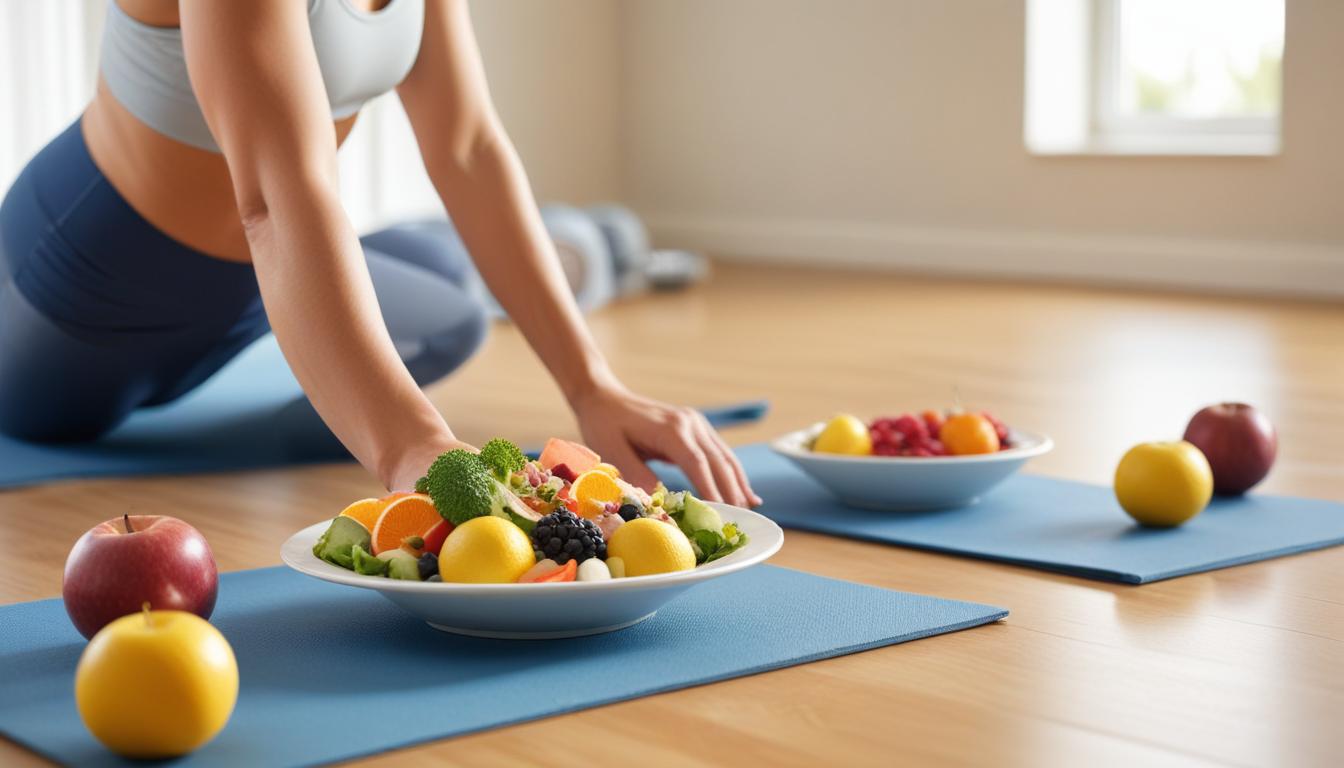
The city's real sleep revolution, however, happens at street level. Saturday afternoon riposos remain culturally embedded despite urban modernisation. Sempione Park's running community—which surged 22% post-pandemic—reports better sleep quality linked to consistent outdoor movement rather than evening optimisation. The Mediterranean diet, emphasised by the Ospedale Sacco's nutrition department, naturally supports sleep through timed meals and seasonal eating patterns.
What emerges is distinctly Milanese: global wellness language filtered through local life. Rest isn't a performance metric to optimise but a rhythm to respect. Closing deals by 6 p.m. to reclaim evening hours. Choosing a neighbourhood walk over a sleep app. Valuing the aperitivo not as indulgence but as essential social recovery.
As international wellness culture grows increasingly complex—and expensive—Milan's approach offers a quieter lesson: sometimes the best sleep wellness is simply living in alignment with your city's pace.
This article was compiled by AI from the sources linked above and screened before publishing. See our editorial standards.