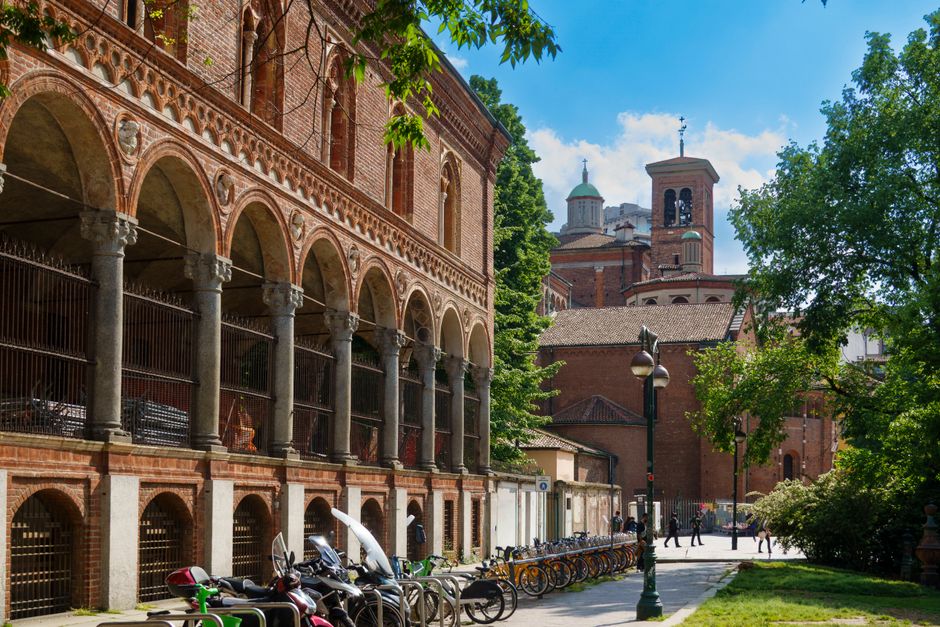
On a Tuesday evening in the Brera district, a converted loft on Via Fiori Chiari fills with soft light and the scent of sandalwood. Twenty practitioners—accountants, designers, teachers, parents—unroll their mats for a ninety-minute session blending vinyasa flow with pranayama breathing techniques. This scene has become increasingly common across Milan's wellness landscape, where yoga studios and meditation circles have expanded dramatically over the past three years, reflecting a broader shift toward holistic health among the city's residents.
The growth is tangible. According to recent wellness industry data for Northern Italy, yoga class attendance has increased by approximately 35 per cent since 2023, with Milan leading adoption rates. Studios in neighbourhoods like Navigli, Porta Romana, and Isola now outnumber conventional gyms in several areas, signalling a genuine cultural realignment. A single class typically costs €18–25, with monthly memberships ranging from €80–120—accessible to Milan's middle class without requiring expensive health insurance add-ons.
What drives this transformation isn't marketing alone. Local practitioners report measurable changes: reduced blood pressure, improved sleep quality, diminished anxiety related to work stress, and relief from tension accumulated through Milan's notorious commute culture. The Mediterranean wellness philosophy—long embedded in Italian culture but often overshadowed by productivity obsession—has resurged as people recognise that genuine health encompasses mental and emotional balance, not merely physical fitness.
Sempione Park, historically Milan's jogging circuit, now hosts free community meditation sessions on weekend mornings, organised by local yoga centres and wellness associations. These gatherings, drawing 50–80 participants weekly, represent grassroots health activism: accessible, free, and rooted in neighbourhood connection rather than commercial wellness infrastructure.
The appeal extends beyond physical benefits. Milan's strong aperitivo culture—social drinking and eating before dinner—has traditionally blurred work-life boundaries, creating chronic low-level stress. Meditation and yoga offer Milanese an alternative wind-down ritual that's equally social but restorative rather than stimulating.
Holistic practitioners emphasise that yoga and meditation aren't wellness trends but evidence-based interventions. The Italian healthcare system increasingly recognises their complementary value: several public health clinics in Milan now offer subsidised meditation programmes for patients managing chronic stress or post-burnout recovery.
Whether practised in Navigli studios, Sempione Park gatherings, or home spaces across the city, Milan's yoga communities demonstrate that transformation often begins locally—one breath, one neighbourhood, one person seeking equilibrium in urban life.
This article was compiled by AI from the sources linked above and screened before publishing. See our editorial standards.