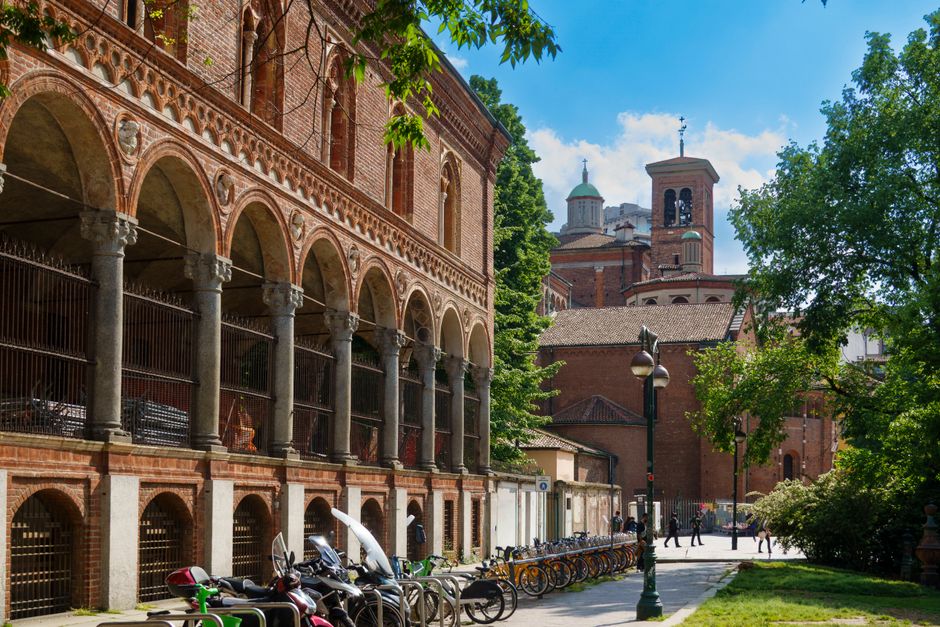
On any morning between 6 and 7 a.m., the towpath running east from Darsena fills with older Milanese moving deliberately through the quiet hours. They're not training for marathons. They're protecting their futures.
Over the past three years, Milan's senior wellness community has quietly converged on a set of practical, repetitive habits that gerontologists recognize as the backbone of active ageing. Unlike viral fitness trends, these aren't Instagram-worthy. They're the morning walks, the stair discipline, the deliberate standing that locals have discovered work because they're woven into daily life.
The most consistent pattern emerges around walking. Residents across Navigli, Brera, and Porta Romana report that a 25–35 minute walk before breakfast—not a leisurely stroll, but rhythmic movement—has become non-negotiable. The terrain matters: the cobblestones near Via Torino and the slight inclines along the Navigli naturally engage stabilizing muscles without feeling prescriptive. "It's not exercise," one local explained. "It's how you get to the bar."
The second habit involves stairs. Milan's apartment blocks, with their four or five flights and no lifts, have become accidental mobility gyms. Older adults who deliberately use stairs rather than avoiding them—moving slowly, holding railings, maintaining rhythm—report measurably better balance within months. This isn't new; it's simply returning to structural reality.
Social strength classes have also embedded themselves into the rhythm. Community centres in Porta Romana and Lambrate now run twice-weekly sessions specifically designed for joint mobility and fall prevention, typically costing €5–8 per session through municipal programmes. Attendance is consistent, partly because the timing aligns with aperitivo culture; a café visit often follows.
The fourth habit is postural awareness during daily activities. Rather than treating exercise as separate, successful agers in Milan integrate standing strength into routine tasks: standing while washing dishes, rising from chairs without hand support, carrying groceries in two balanced bags rather than one. These micro-movements, repeated throughout the day, accumulate.
Finally, consistency trumps intensity. Locals who maintain mobility report that showing up five days a week at 60–70% effort outlasts those pursuing sporadic high-intensity sessions. Sempione Park running paths and cycling routes along the Navigli accommodate this principle perfectly—accessible, repeatable, sociable.
The emerging pattern isn't revolutionary. It's integration: movement folded into the texture of Milanese life, not bolted on as medicine. That ordinary approach—practical, local, sustainable—appears to be why it actually persists.
This article was compiled by AI from the sources linked above and screened before publishing. See our editorial standards.