Night Shifts, Better Sleep: Practical Strategies for Milan's Shift Workers
From hospital staff to Navigli bar workers, thousands of Milanese navigate irregular schedules—here's how to protect your sleep and health.
From hospital staff to Navigli bar workers, thousands of Milanese navigate irregular schedules—here's how to protect your sleep and health.
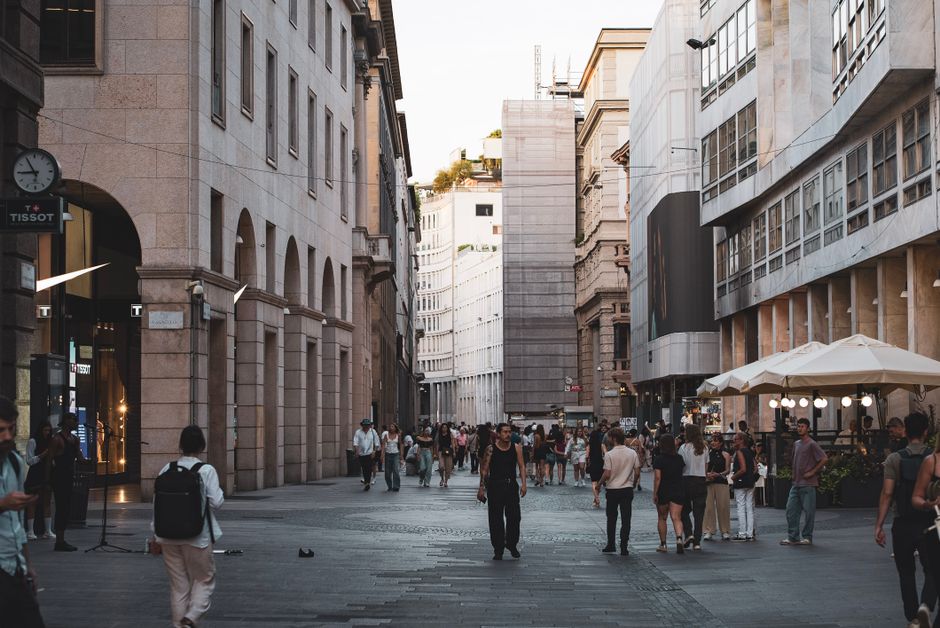
Milan's 24-hour economy doesn't sleep, and neither do thousands of its workers. Nurses at Ospedale Maggiore, bartenders along the Navigli, security staff at Central Station, and logistics workers across the southern industrial zones work shifts that defy the body's natural rhythm. Yet few know how to manage the metabolic toll.
Sleep disruption among shift workers in Italy affects roughly 15% of the workforce, according to labour health data. Beyond fatigue, irregular sleep accelerates ageing of the cardiovascular system and weakens immunity—particularly relevant in Milan's healthcare sector, which accounts for significant shift work. The challenge isn't willpower; it's biology meeting an urban lifestyle designed around clock time, not circadian time.
The strategy begins with consistency, even when schedules rotate. If you work nights three times weekly, maintain the same sleep window on non-work nights rather than flip-flopping to day sleep. Neuroscientists recommend a stable "anchor sleep" of at least four hours, ideally between 2 and 6 a.m., to stabilise your circadian system. This is harder than it sounds in a city where aperitivo culture and social events cluster in evening hours—but non-negotiable for long-term health.
Light exposure matters enormously. Bright light suppresses melatonin; darkness triggers it. Invest in blackout blinds for your Navigli apartment or Zona 7 bedroom (€30–60 from any Leroy Merlin outlet in the city). If you work nights, expose yourself to daylight immediately after your shift ends—even a 20-minute walk through Sempione Park resets your clock more effectively than any supplement. Conversely, wear blue-light-blocking glasses if you scroll your phone before sleep.
Nutrition timing is underused. Eating a light, protein-rich meal before a night shift (around 10 p.m.) stabilises blood sugar and prevents energy crashes at 3 a.m. Avoid heavy caffeine after midnight; switch to herbal tea. Milan's 24-hour cafés—common near transport hubs—often serve only espresso, so prepare your own thermos.
Finally, leverage Milan's excellent healthcare. Azienda Socio Sanitaria Territoriale (ASST) Santi Paolo e Carlo offers occupational health services specifically for shift workers, including sleep clinics. Many are covered under Italy's public healthcare system; check if your employer provides occupational health support.
Shift work isn't going away. But with deliberate strategies—stable sleep windows, light management, smart nutrition, and professional support—Milanese shift workers can reclaim better health without abandoning their livelihoods.
This article was compiled by AI from the sources linked above and screened before publishing. See our editorial standards.
How does this story make you feel?
Spread the word
About this article
Published by The Daily Milan
Daily brief
Free, in your inbox before 7am. Weekdays.
More in Wellness