The Science Behind Milan's Sleep Crisis—And How Research ...
New studies reveal why the Milanese lifestyle is sabotaging our rest, and what evidence-based strategies actually work.
New studies reveal why the Milanese lifestyle is sabotaging our rest, and what evidence-based strategies actually work.
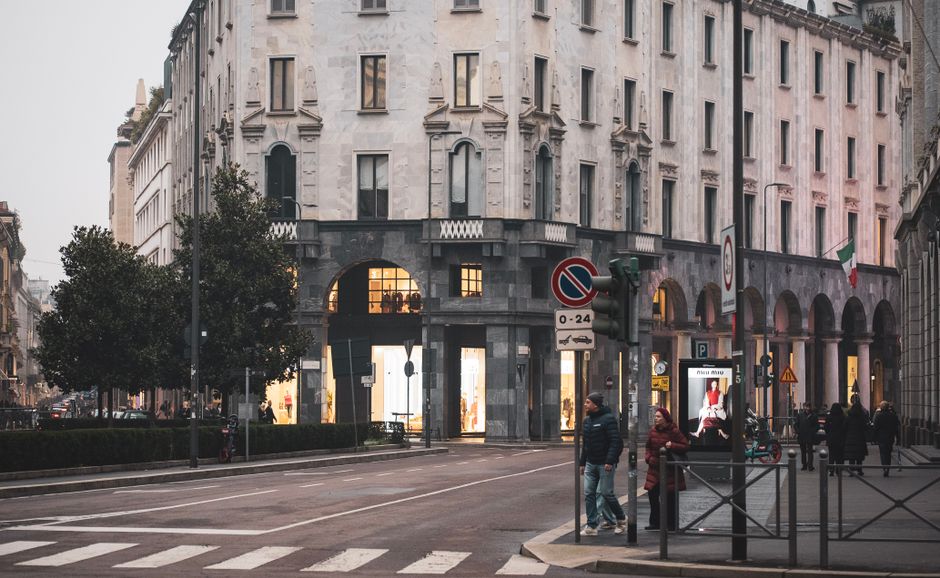
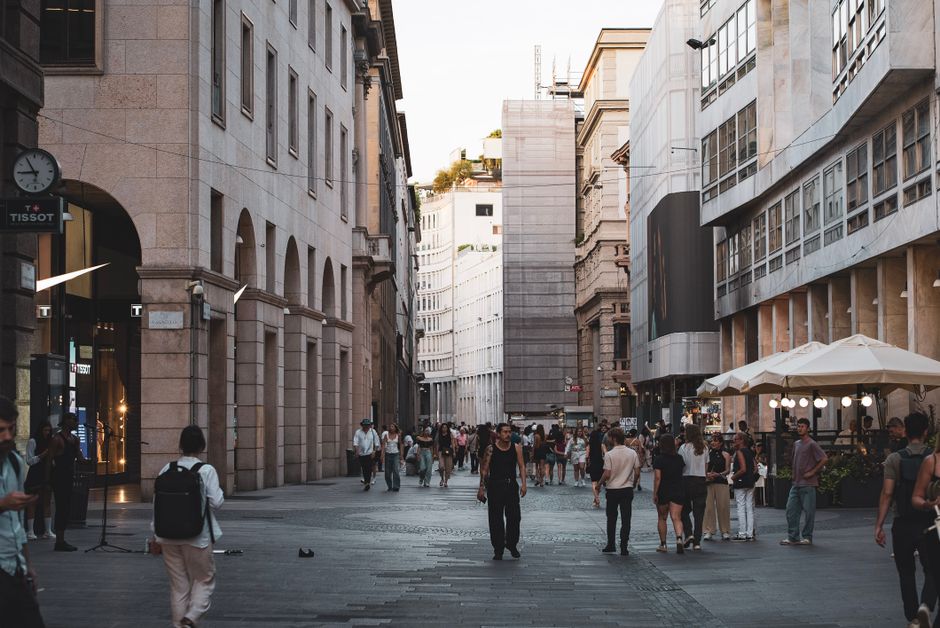
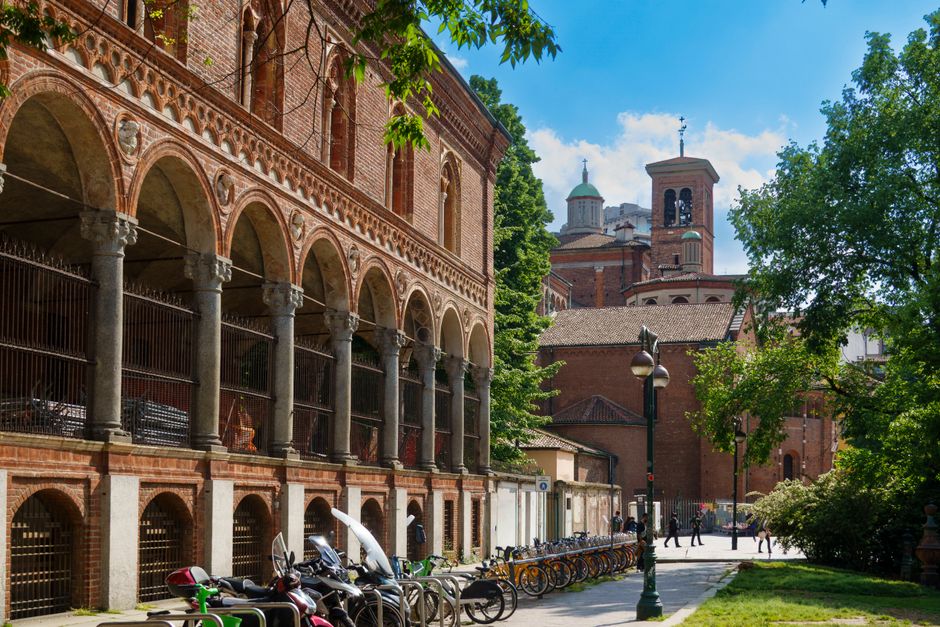
Milan moves fast. Between early morning commutes along the Navigli toward the business district, late aperitivos spilling into evening, and the cultural weight of a city that never fully switches off, sleep has become a luxury item rather than a biological necessity. Yet emerging research from sleep scientists suggests we're paying a steep price for this hustle mentality—and that small, science-backed interventions could transform how the city rests.
A 2024 study from the European Sleep Research Society found that Italian professionals sleep an average of 6.2 hours nightly, significantly below the recommended seven to nine hours. Milan, as Italy's economic hub, reports even lower averages. The consequences are measurable: increased cardiovascular stress, impaired cognitive function, and weakened immune response—exactly the outcomes occupational health researchers have warned about for years.
The culprit isn't just work culture. Dr. Circadian rhythm research has consistently shown that light exposure patterns—including Milan's intense summer evenings and widespread evening social culture—suppress melatonin production. The aperitivo tradition, deeply embedded in neighbourhoods like Navigli and Porta Romana, often extends into hours when our bodies should be preparing for sleep. Blue light from screens compounds this disruption further.
But science also offers solutions. Research from sleep chronobiology labs demonstrates that consistent sleep-wake schedules produce measurable improvements in sleep quality within two weeks. Even modest shifts—dimming lights by 9 p.m., limiting caffeine after 2 p.m., and maintaining weekend sleep consistency—show 30-40% improvement in sleep efficiency in clinical trials.
Temperature regulation is another evidence-based lever. Studies show optimal sleep occurs around 16-18°C. Many Milanese homes, particularly older Navigli apartments, lack effective climate control, forcing people into surface-level sleep. Investing in modest cooling solutions or strategic bedding choices (backed by sleep physiology research) can meaningfully improve outcomes.
Movement matters too. Research from the American College of Sports Medicine confirms that morning exercise—say, a run through Sempione Park—enhances nighttime sleep architecture far more effectively than evening activity. Morning exposure to natural light also recalibrates the circadian clock, a mechanism validated across numerous peer-reviewed studies.
The Lombardy Regional Health Service recognizes sleep medicine as a growing priority, with sleep clinics now available across Milano. For anyone experiencing persistent sleep difficulties, consultation with a qualified sleep specialist remains the gold standard. But for many, the science suggests that Milan's legendary aperitivo culture and ambitious work rhythm don't require sacrifice—just intentional timing aligned with our biology.
This article was compiled by AI from the sources linked above and screened before publishing. See our editorial standards.
How does this story make you feel?
Spread the word
About this article
Published by The Daily Milan
Daily brief
Free, in your inbox before 7am. Weekdays.
More in Wellness