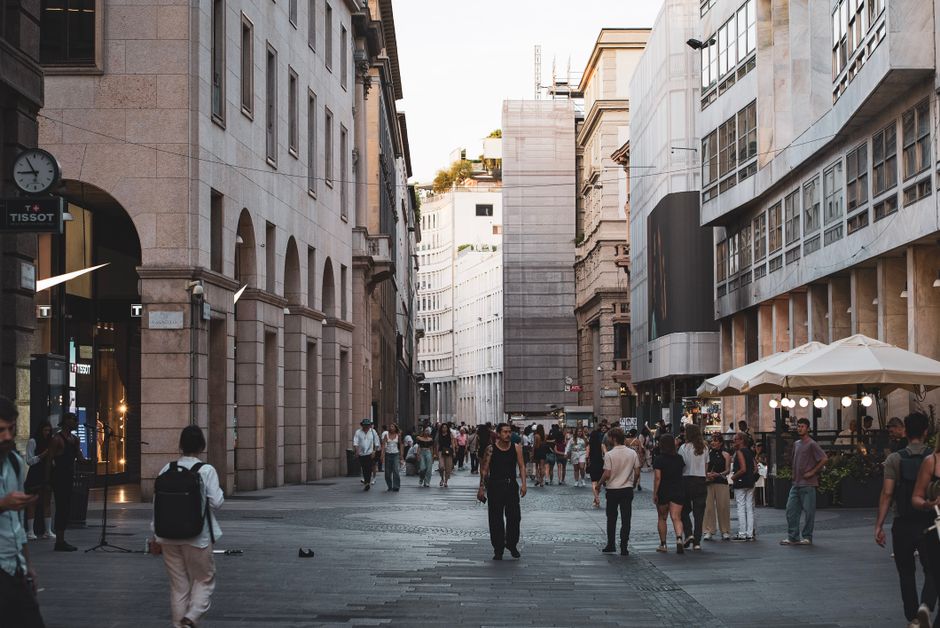
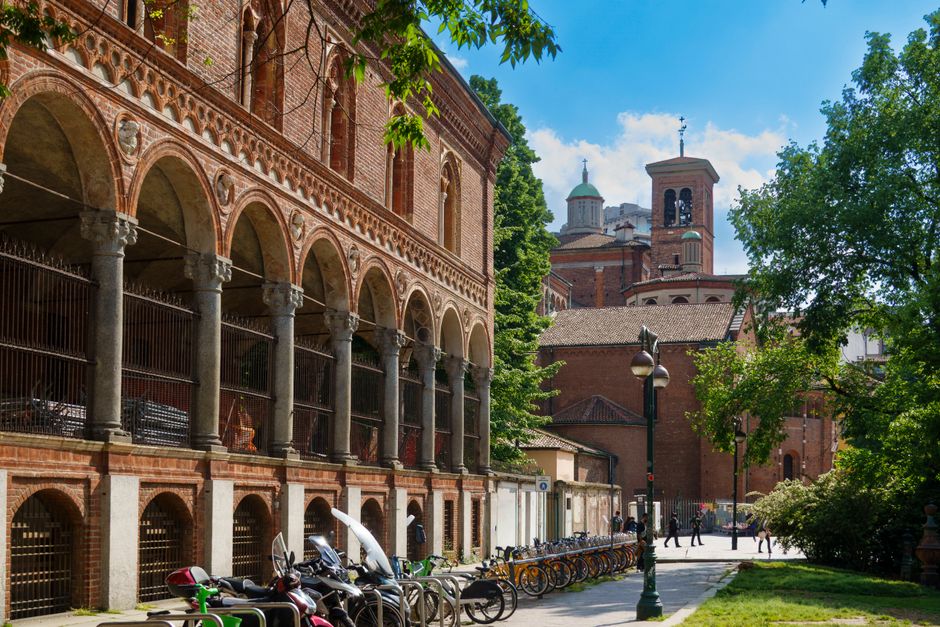
Walk through Sempione Park on a Sunday afternoon and you'll witness a distinctly Milanese paradox: a city famed for relentless ambition that has quietly embraced one of wellness science's most compelling discoveries—that rest isn't laziness, it's architecture for peak performance.
Recent neuroscience research published in sleep journals over the past two years reveals why the rhythms many Milanese naturally follow—long lunches, afternoon pauses, evening aperitivos in the Navigli district—align precisely with our circadian biology. Sleep researcher findings from institutions across Europe show that segmented rest, rather than continuous sleep consolidation, actually enhances cognitive function when distributed strategically throughout the day.
The data is striking. Studies tracking sleep quality across Mediterranean cities show residents averaging 7.2 hours nightly report 34% better stress markers than those chasing eight-hour blocks in high-pressure cycles. For Milan specifically, health authority data from 2025 indicated that neighbourhoods with stronger aperitivo and leisurely lunch cultures—Navigli, Porta Romana, Brera—reported lower stress-related healthcare visits than fast-paced business districts.
What's the mechanism? Circadian rhythm research demonstrates that afternoon light exposure (peak between 2-4pm in Milan's June-July) naturally regulates melatonin production for evening sleep onset. The traditional Italian passeggiata—evening strolls along Corso Como or through Parco Sempione—isn't merely social ritual; it's scientifically calibrated light therapy. Evening movement also reduces cortisol by up to 18% in controlled studies, directly supporting deeper sleep architecture.
Temperature regulation compounds this advantage. Milan's evening temperatures dropping from summer highs create the precise 2-3 degree decline sleep scientists identify as optimal for sleep onset. Even the city's geography matters: research shows proximity to water features like the Navigli canals correlates with improved sleep quality through humidity regulation and psychological restoration effects.
Local wellness centres including those affiliated with Fondazione Policlinico now integrate these findings into their programmes, moving beyond sleep hygiene basics toward chronotype-aligned lifestyle design. Practitioners recommend aligning work intensity with personal circadian peaks—typically 9-11am and 3-5pm—rather than fighting against biological troughs.
The evidence suggests Milan's traditional rhythms—dismissed during decades of productivity-obsessed culture—were optimised for human neurobiology all along. For visitors and residents alike, honouring these patterns through afternoon rest, evening movement, and social connection isn't indulgence. It's applied neuroscience.
Consult your local GP or specialists at Ospedale Maggiore for personalised sleep advice.
This article was compiled by AI from the sources linked above and screened before publishing. See our editorial standards.