Sleep Better, Live Better: The Daily Habits Milanese Wellness Seekers Are Actually Using
From Navigli evening strolls to aperitivo timing, locals share the unglamorous routines that have transformed their rest and energy.
From Navigli evening strolls to aperitivo timing, locals share the unglamorous routines that have transformed their rest and energy.
Sleep advice often feels imported from somewhere else—Silicon Valley optimization, Scandinavian minimalism, wellness retreat mythology. But in Milan, a city known for its pace and its aperitivo culture, locals are quietly building rest practices that fit their actual lives. After speaking with wellness practitioners, gym owners, and residents across Brera, Isola, and beyond, a pattern of practical habits emerges.
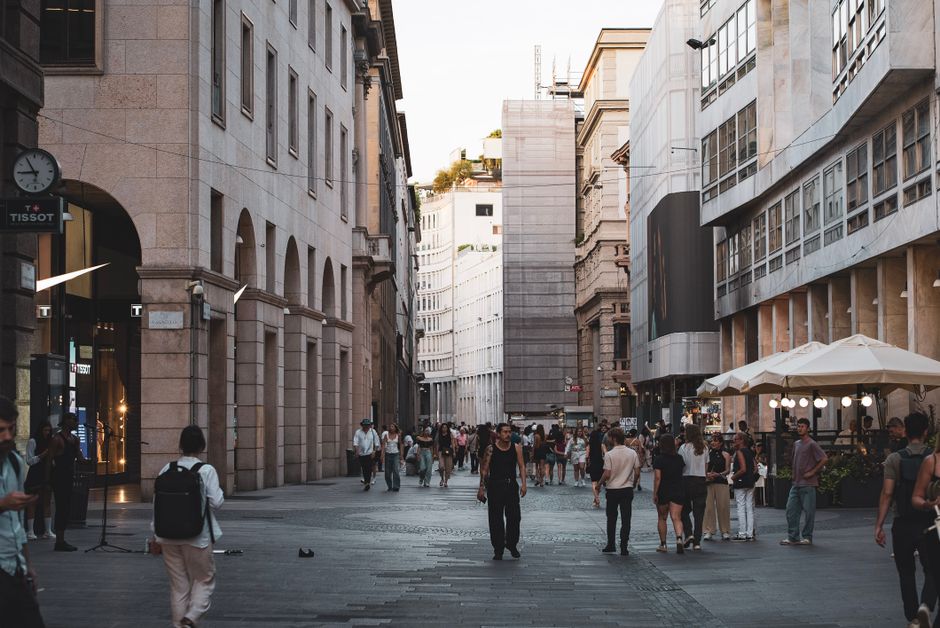
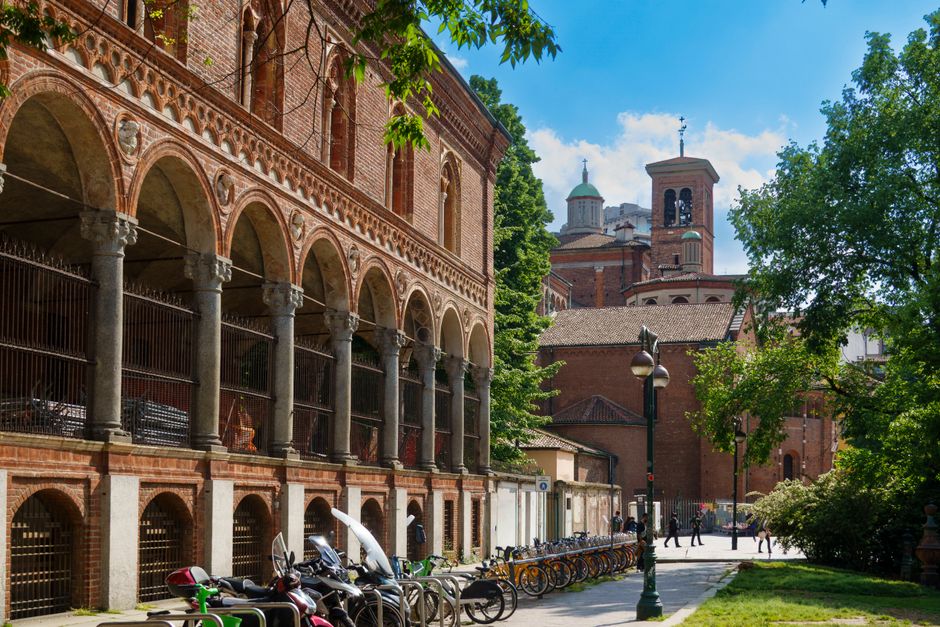
The most consistent change? Walking home from work or stopping in Sempione Park before heading inside. Milanese working in the Duomo area or financial district increasingly treat a 20-minute post-work walk—often along the Navigli canals or through Parco Sempione—as non-negotiable wind-down time. The logic is straightforward: transition matters. "People sleep better when they've physically moved away from their desk," explains a physiotherapist at BASE Milano wellness studio. The park's green space and water views cost nothing and require no membership.
A second habit: rethinking aperitivo timing. Milan's famous aperitivo culture (typically 18:00–20:00) is being adjusted by sleep-conscious locals who've noticed that shifting their social drink earlier—or choosing lower-alcohol options—improves overnight rest quality. Rather than skipping this cherished ritual, residents are adapting it. Venues across Navigli now see earlier crowds, particularly on weekdays.
Consistent bedroom temperature ranks third. Milan's humid summers and variable heating in older Navigli apartments mean many residents now use basic fans or blackout curtains year-round—affordable investments (€15–50) that multiple locals cited as game-changers. The city's public healthcare system (Azienda Socio-Sanitaria Territoriale) has published free guides on sleep hygiene in Italian and English, available at local pharmacies.
Digital wind-down is the fourth practice, though it looks less like strict phone bans and more like intentional timing. Residents report success with stopping screen use 30–45 minutes before bed, often replaced by reading or preparing tomorrow's clothes—a small ritual that reduces morning stress.
Finally, consistency trumps perfection. Rather than weekend sleep recovery, successful sleepers maintain weekday bedtimes even on Friday nights, adjusting their social plans accordingly. It's unglamorous, hardly Instagram-worthy, but repeatedly effective.
These aren't revolutionary practices. What makes them relevant is their fit: they work with Milan's rhythms, not against them. They cost little, require no special equipment, and acknowledge that real wellness happens in daily choices, not occasional retreats.
For personalized sleep concerns, consult your local medico di base or specialists at Milan's major hospitals including Ospedale Maggiore.
This article was compiled by AI from the sources linked above and screened before publishing. See our editorial standards.
How does this story make you feel?
Spread the word
About this article
Published by The Daily Milan
Daily brief
Free, in your inbox before 7am. Weekdays.
More in Wellness