How Milan is becoming Italy's unexpected capital of active ageing
From Sempione Park to the Navigli, senior wellness and mobility are reshaping how older Milanesi stay strong—and changing the city's approach to growing older.
From Sempione Park to the Navigli, senior wellness and mobility are reshaping how older Milanesi stay strong—and changing the city's approach to growing older.
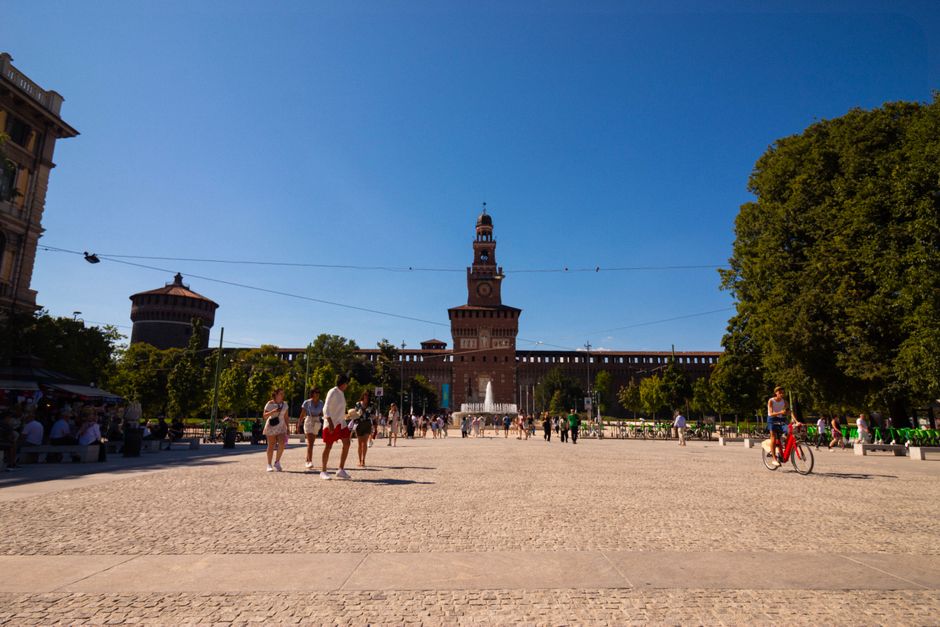
Walk through Sempione Park on any morning this summer, and you'll notice something unmistakable: groups of silver-haired joggers and power-walkers moving with purpose, often outnumbering their younger counterparts. What was once a niche movement in Milan—seniors treating fitness as central to ageing well—has quietly become the city's most compelling wellness story.
The shift reflects both demographic reality and a cultural pivot. Italy's over-65 population now represents nearly 24 per cent of the total, with Milan's Zona 1 and Zona 9 (around Brera and Navigli neighbourhoods) showing particularly high concentrations of active retirees. But numbers alone don't explain the change. What's happening is a fundamental rethinking of mobility and strength as foundations for independence and quality of life—not vanity projects.
The Azienda di Servizi Metropolitana (ASM) has responded by expanding subsidised movement classes across municipal facilities. Tai chi sessions in Giardini Pubblici Indro Montanelli now run five days weekly at €8 per class, consistently full. The Navigli cycling routes—once dominated by commuters—now see dedicated senior cycling clubs departing from Darsena on weekend mornings, with routes calibrated for varied fitness levels. Local physiotherapists report a 34 per cent spike in mobility consultations over the past eighteen months among over-60s.
What's driving this isn't necessarily gym culture or trend-chasing. It's practical: seniors staying mobile avoid falls, preserve independence, and reduce strain on Milan's already stretched healthcare system. The aperitivo social culture has evolved too—networking around fitness rather than purely around drinks. Bars along Corso Como and around Sant'Ambrogio now advertise themselves as post-exercise gathering spots, serving alcohol-light spritzers and protein-rich snacks.
Dr Marco Rovaris, speaking generally about active ageing principles, notes that even modest movement—30 minutes of walking, twice weekly strength conditioning—measurably improves bone density and balance in older adults. For Milan's seniors, this translates to confidence navigating cobblestones on Via Montenapoleone or climbing the Duomo steps.
The trend hasn't eliminated barriers. Cost remains an issue for lower-income pensioners; private studios charge €15–25 per session. Accessibility gaps persist in outer zones. Yet the momentum is undeniable. Senior wellness in Milan is no longer fringe—it's becoming the new standard for how this city ages deliberately, collectively, and visibly.
This article was compiled by AI from the sources linked above and screened before publishing. See our editorial standards.
How does this story make you feel?
Spread the word
About this article
Published by The Daily Milan
Daily brief
Free, in your inbox before 7am. Weekdays.
More in Wellness