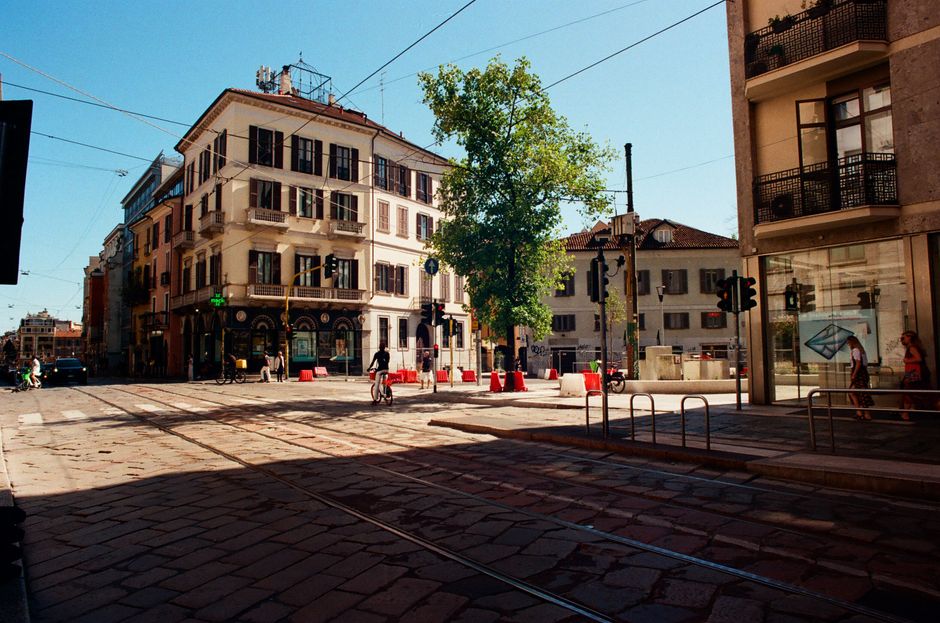
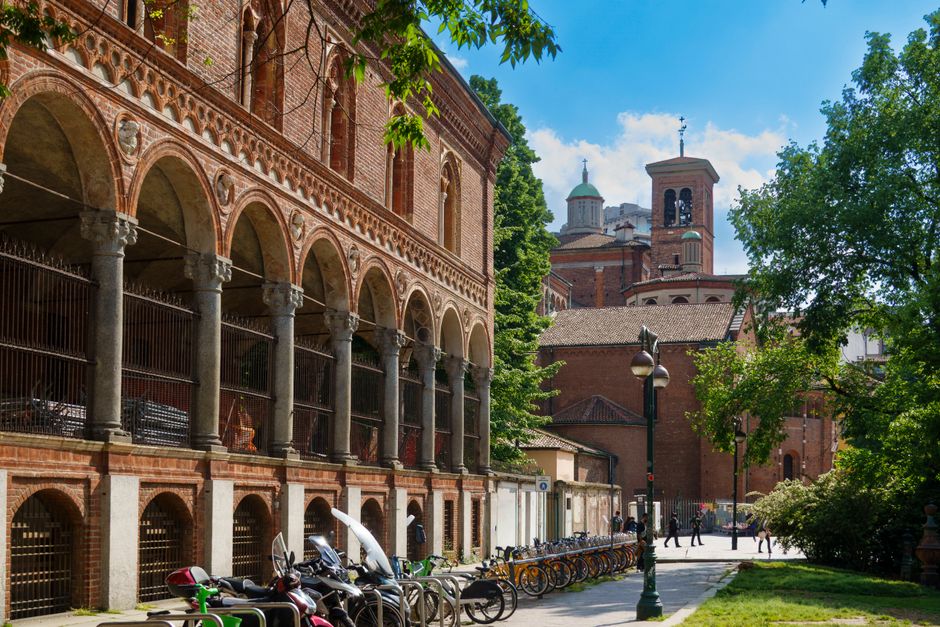
Walk through Viale Monza on a Saturday morning and you'll witness a peculiarly Milanese phenomenon: shoppers filling baskets with seasonal produce at neighbourhood markets, largely unmoved by the kale-smoothie-bowl revolution sweeping Instagram feeds globally. While wellness influencers worldwide champion adaptogenic mushrooms and collagen peptides, Milan's approach to healthy eating remains defiantly traditional, rooted in the Mediterranean diet that research consistently validates as superior.
The numbers tell an interesting story. According to a 2024 survey by the Fondazione Umberto Veronesi, Milan's adoption rate of veganism sits at just 4.2 percent—significantly lower than Berlin (8.1%) or London (7.3%)—despite the city's reputation for sophistication. Yet paradoxically, Milan ranks among Europe's healthiest cities, with cardiovascular disease rates 18 percent below the EU average. The difference? Most Milanese haven't abandoned meat; they've simply maintained portion discipline and ingredient quality.
At the Vercelli market in Porta Venezia, vendors shift tonnes of local vegetables daily: Bergamasco tomatoes, Lombardy asparagus, Ticinese risotto rice. The average cost remains approximately €2.50 per kilogram—accessible, seasonal, unglamorous. This contrasts sharply with premium organic shops appearing along Corso Como, where imported superfoods command prices 300-400 percent higher than their Mediterranean equivalents.
Nutritionists at the Milan-based Centro Studi Dietetica Applicata observe that global trends often mystify what locals already practice intuitively. "Milanese clients come asking about intermittent fasting and macro-tracking," one registered dietitian noted, "when their grandmothers have been eating small lunches and moderate dinners for generations." The Mediterranean model—moderate portions, olive oil, legumes, seasonal vegetables—remains the framework most Milanese follow, whether consciously or not.
The aperitivo culture itself reflects this pragmatism. While wellness globally oscillates between restriction and indulgence, Milan's pre-dinner ritual involves modest quantities of quality prosecco and focaccia—enjoyment without excess. This cultural equilibrium appears protective.
That said, change is brewing quietly. Plant-forward restaurants are opening in Navigli and Brera, though they attract expats and younger demographics more than traditional Milanese. Nutritional supplements are gaining traction among the under-40 fitness crowd at Sempione Park.
The lesson emerging from Milan isn't revolutionary: eating local, seasonal, whole foods in reasonable quantities remains quietly superior to chasing wellness trends. It's a conclusion global nutrition science reaches annually, yet Milan arrived there centuries ago and never really left.
This article was compiled by AI from the sources linked above and screened before publishing. See our editorial standards.