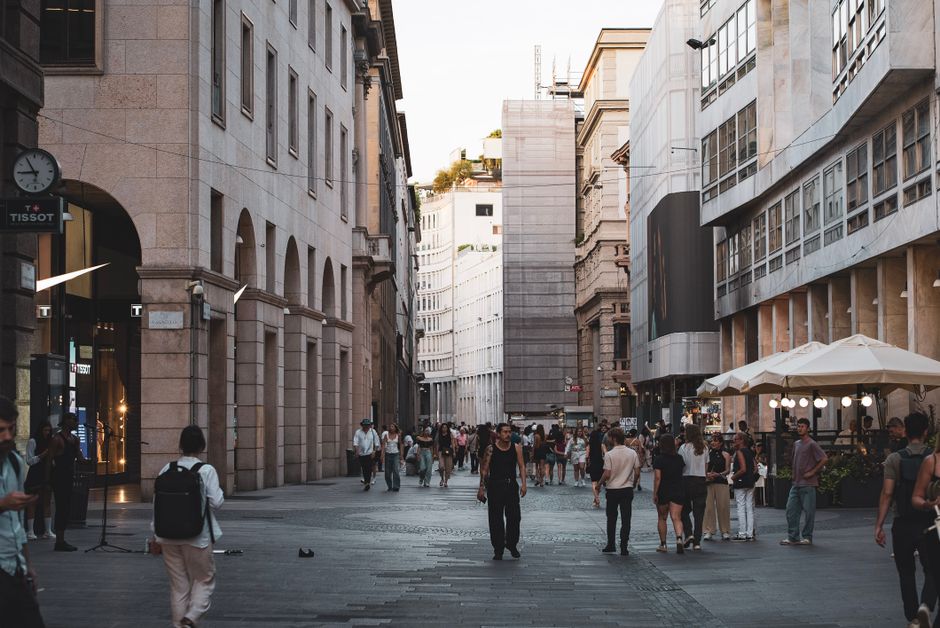
Walk past Sempione Park any morning before 8 a.m., and you'll notice a particular rhythm: clusters of people in their 60s, 70s and beyond moving steadily along tree-lined paths, often in pairs or small groups. They're not training for marathons. They're doing something quieter, more profound—maintaining the mobility that keeps independence alive.
Milan's approach to active ageing isn't flashy. It's embedded in daily life, shaped by geography, culture, and the kind of practical thinking that comes from living in a city built for movement.
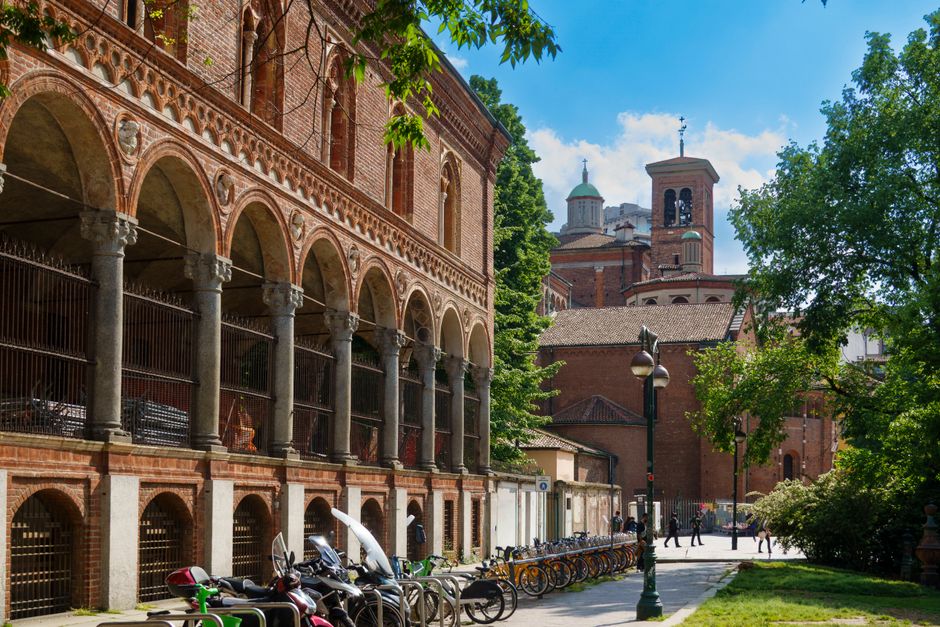
The most successful habit among older Milanese? Structured walking. Research from Milan's Fondazione Irccs Ca' Granda suggests that residents aged 60+ who maintain 30 minutes of daily walking show significantly better joint health and balance retention than sedentary peers. The Navigli cycle paths—originally built for transport—have become de facto wellness infrastructure. Families cycle together, and older adults use flat, scenic stretches between Porta Genova and Viarenna as reliable, social exercise routes.
But it's not just about solitary movement. Community centres across neighbourhoods like Porta Romana and Isola now run weekly group sessions: tai chi, aqua aerobics at public pools (Milan's council-funded pools cost around €5 per session), and strength conditioning. These aren't trendy fitness classes. They're practical, low-cost programmes explicitly designed for joint protection and fall prevention—critical for ageing well in a city with 15th-century cobblestones and variable kerbs.
The aperitivo culture, often stereotyped as purely social indulgence, actually supports mobility habits. Standing at a bar, catching up with friends, moving between venues—it's incidental movement that adds up. Older adults in Milan average 6,000–8,000 steps daily through ordinary socialising, far above sedentary benchmarks.
Perhaps most tellingly, the successful agers interviewed informally across the city share one habit: they've integrated movement into non-negotiable routine. Not exercise as separate from life, but as woven into it—a walk to buy coffee at the neighbourhood bar, standing for social gatherings, weekly pool sessions treated like medical appointments.
The lesson isn't Milan-specific, but it's genuinely Milan-shaped: active ageing thrives when it's embedded in infrastructure, community and culture, not imposed as willpower. For seniors in any city, that's worth noting.
This article was compiled by AI from the sources linked above and screened before publishing. See our editorial standards.