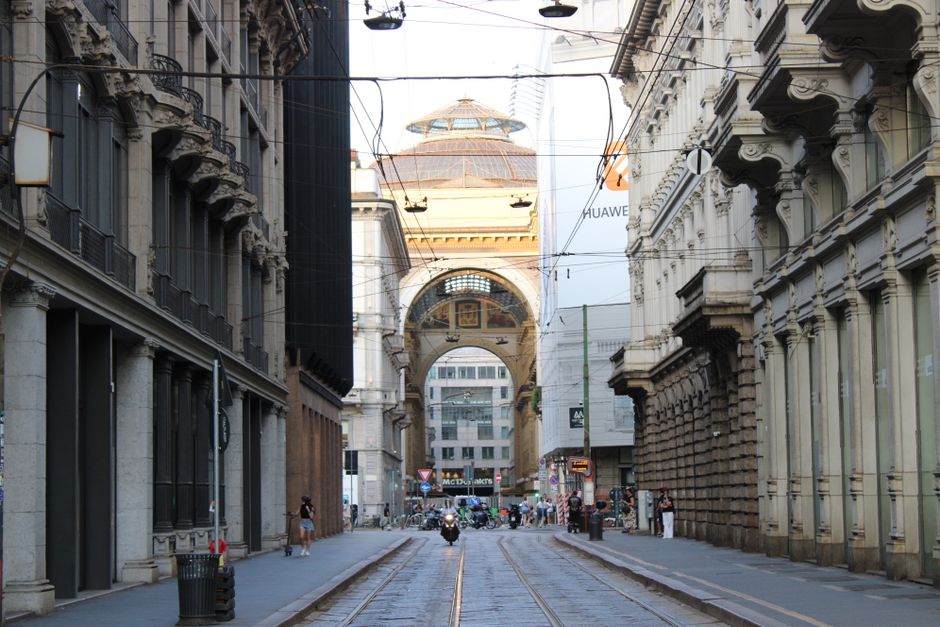
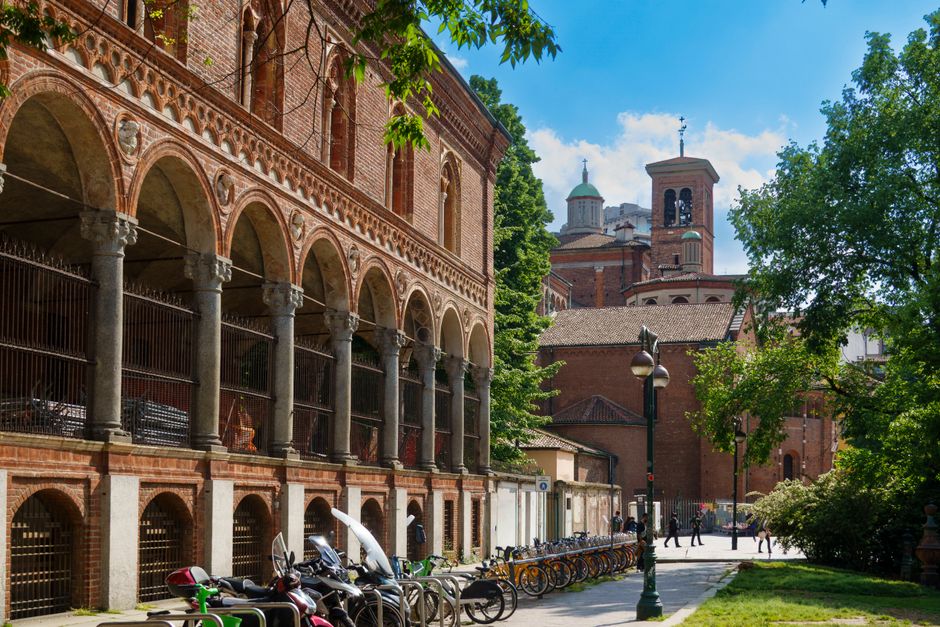
Walking through the Duomo district, between the cathedral and the Galleria, most Milanese pass Via San Raffaele without a second glance. Yet tucked on this historic street sits Centro Diagnostico Italiano (CDI), a facility that has quietly become essential infrastructure for preventive health in the city—particularly for those seeking proactive screening without navigating lengthy public healthcare waitlists.
Founded in 1971, CDI operates across multiple locations in Milan, but its central clinic remains the gateway for thousands annually seeking comprehensive preventive assessments. The facility offers everything from advanced imaging (MRI, CT, ultrasound) to cardiology screening, bone density assessment, and blood work panels designed to catch risk factors before symptoms emerge.
For Milanese aged 40-65—the critical window for cardiovascular and metabolic disease prevention—CDI's preventive packages start around €400-€800, covering baseline imaging and specialist consultation. The Lombardy regional health system (Servizio Sanitario Regionale) covers certain screenings for specific risk groups, though many choose CDI for faster access and personalised protocols aligned with Mediterranean wellness principles increasingly popular in the city.
What distinguishes CDI isn't just technology; it's integration with the local lifestyle. The centre coordinates with GPs across Milan's neighbourhoods, from Sempione to Navigli, and increasingly tailors screening recommendations to individual activity levels. A cyclist frequenting the Navigli paths, for instance, might receive different cardiovascular thresholds than a sedentary office worker.
Booking typically takes 3-7 days for routine screening—considerably faster than many public facilities—with results delivered within 2-3 weeks. The centre employs multilingual radiologists and cardiologists, important for Milan's international workforce.
Beyond individual screening, CDI runs occupational health programmes for Milan's major corporate sectors, reflecting how embedded preventive diagnostics have become in the city's professional culture. Many companies near the Porta Nuova business district partner with the centre for employee wellness initiatives.
The aperitivo-rich social culture Milan is famous for makes preventive screening feel countercultural—yet it's precisely this lifestyle context that makes baseline health checks valuable. Understanding your cardiovascular fitness and metabolic markers before decades of Negronis accumulate provides actionable insight.
For anyone over 40 without recent comprehensive screening, CDI on Via San Raffaele represents a practical entry point. Book consultations through their website; bring your Tessera Sanitaria (health card) if eligible for subsidised tests. Your local GP can provide referrals for some assessments, potentially reducing costs.
Prevention remains healthcare's most underrated investment—especially in a city built for living well.
This article was compiled by AI from the sources linked above and screened before publishing. See our editorial standards.