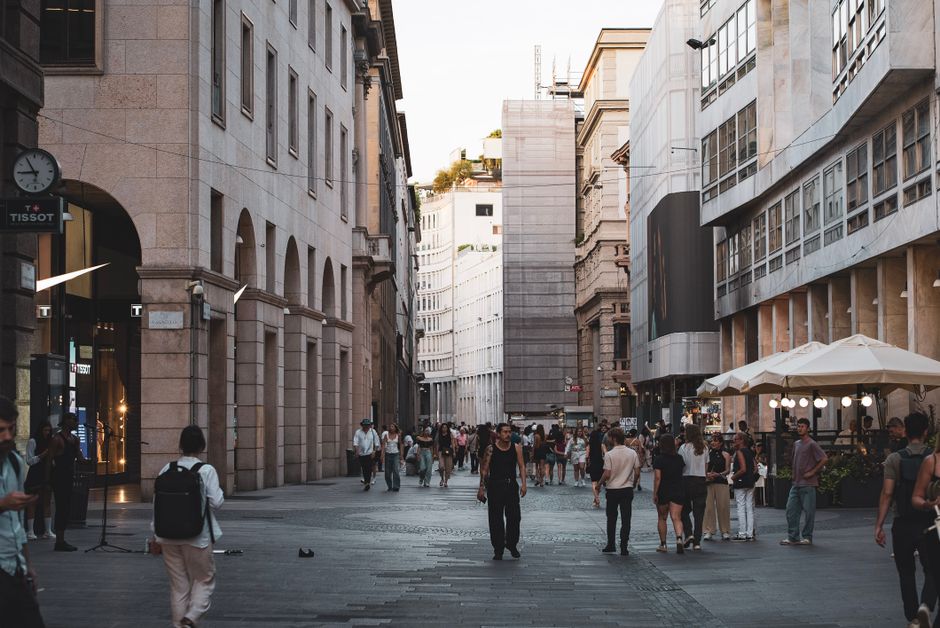
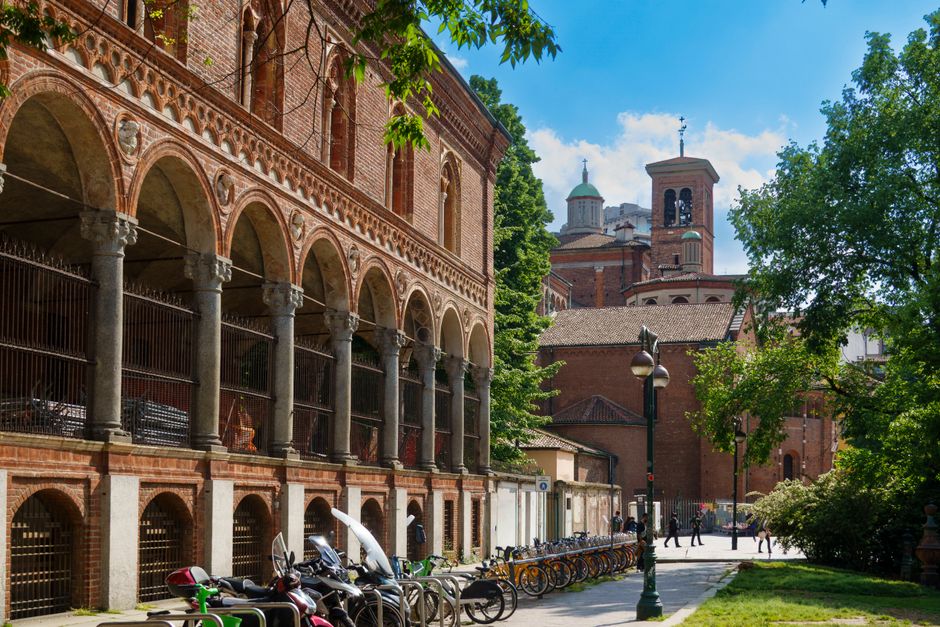
Walk through the Viale Papiniano market on a Wednesday morning, and you'll witness what nutrition experts increasingly recognize as the foundation of long-term wellness: habit stacking. Milanese shoppers aren't following rigid meal plans. Instead, they've woven seasonal eating into the fabric of their weekly routines—a approach that has quietly reshaped how the city approaches nutrition.
The pattern emerges clearly among residents in Brera and the Navigli district. Rather than buying for the week, many visit neighbourhood markets two to three times weekly, purchasing what's abundant and reasonably priced that day. This isn't laziness; it's behavioural design. Fresh produce cycles naturally align with seasons, creating built-in nutritional variety without conscious effort. Tomatoes cost €1.20 per kilo in July; root vegetables drop to similar prices in October. The wallet and the body follow nature's calendar.
What distinguishes this approach from wellness fads is its social infrastructure. Aperitivo culture—the evening gathering tradition—hasn't been abandoned by health-conscious Milanese; it's been reframed. Rather than heavy fried snacks, many bars near Porta Ticinese now feature plates of seasonal vegetables with bagna cauda, olives, and modest portions of cured meats. The ritual remains intact; the composition has shifted.
Local organizations like the Fondazione Slow Food Milano have documented that residents who maintain consistent eating patterns report better energy levels and stable weight management. The key variable isn't what people eat occasionally, but what they eat habitually. A cappuccino and cornetto at the bar remains non-negotiable for many. Lunch typically includes a substantial vegetable component—something that distinguishes Italian wellness from restrictive approaches elsewhere.
Crucially, these aren't isolated health zealots. Working professionals in the Isola neighbourhood regularly pack lunch boxes containing leftovers from dinner: a mix of whole grains, legumes, and whatever vegetables were abundant at market. The €4-5 lunch becomes both economical and nourishing. This reflects a cultural understanding: food is social, seasonal, and practical first—wellness second.
The Milan public healthcare system (Agenzia di Tutela della Salute) increasingly emphasizes these community-level patterns in wellness guidance, recognizing that sustainable nutrition emerges from repeated, low-friction behaviours rather than willpower alone.
The lesson isn't uniquely Milanese. But watching locals genuinely enjoy their food while maintaining health suggests something worth studying: the most durable eating habits aren't constructed through discipline. They're built by organizing your environment—your market visits, your social circles, your aperitivo choices—to make the healthy choice simply the convenient one.
This article was compiled by AI from the sources linked above and screened before publishing. See our editorial standards.