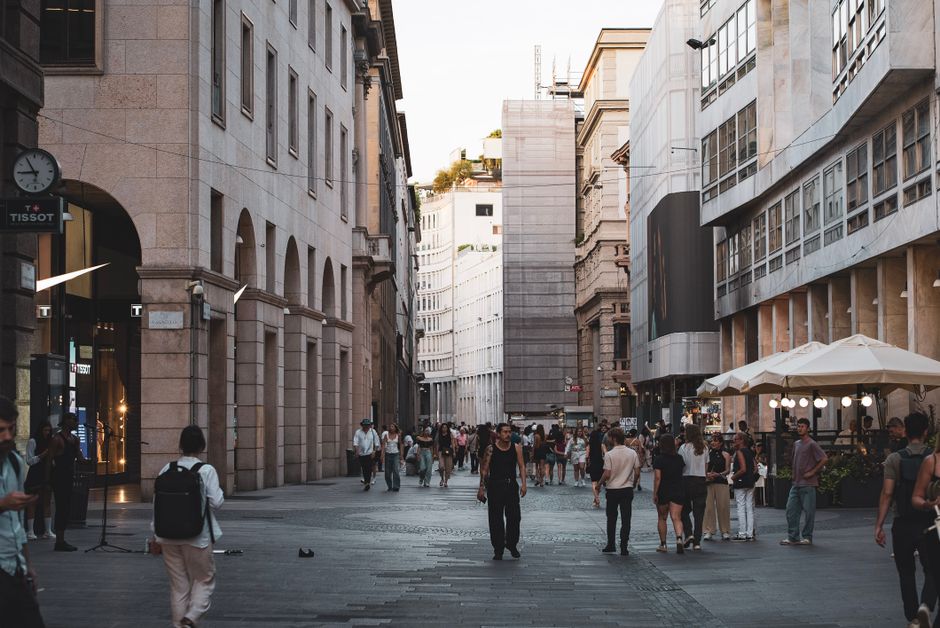
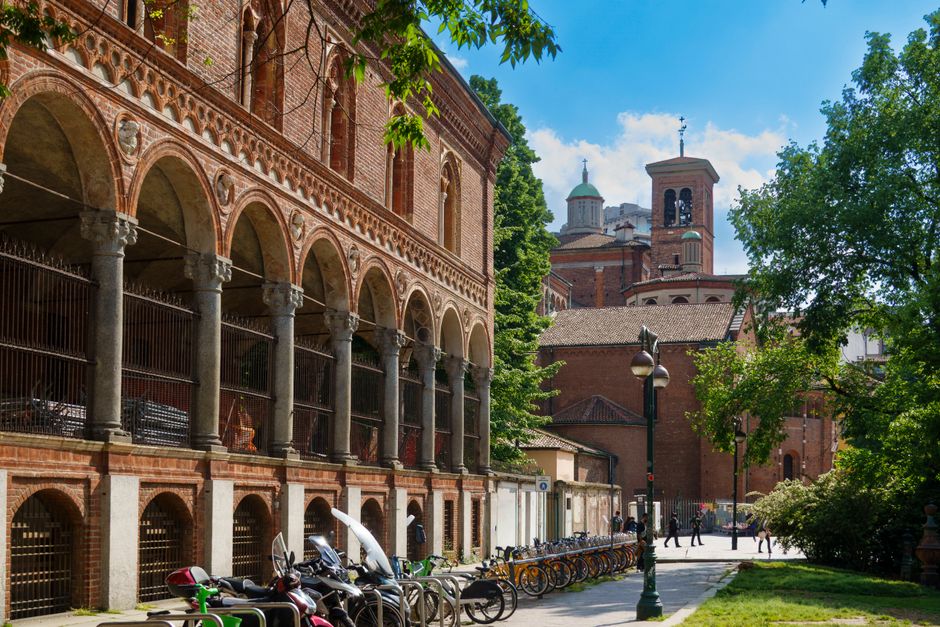
Walk through Viale Papiniano's weekly market on a Tuesday morning, and you'll notice something shifting. Among the vendors hawking fresh burrata and San Marzano tomatoes, there's now a stall dedicated entirely to organic legumes, another selling cold-pressed oils, and a third offering pre-portioned vegetable boxes calculated by macro ratios. Five years ago, this would have seemed almost heretical in Milan—a city where the aperitivo, laden with charcuterie and fried snacks, has long been sacred social ritual.
Yet Milan, long synonymous with fashion and speed, is quietly undergoing a wellness nutrition transformation. Data from the Lombardy Regional Health Authority suggests that nutrition-related consultations in Milan have increased by 34% since 2022, with an estimated 12,000 certified nutritionists now operating across the city—double the figure from a decade ago.
The shift isn't rejecting Milan's gastronomic identity; it's evolving it. In Brera and Porta Venezia, new restaurants are reinterpreting Lombardy classics through a nutritional lens: risotto made with vegetable broths instead of stock cubes, panettone reformulated with whole grains for Christmas. Meanwhile, the Navigli district has become a hub for functional food shops, where supplements and adaptogens sit alongside artisanal pasta made from ancient grains.
What's driving this isn't trend-chasing alone. Milanese professionals—many juggling demanding schedules in the financial district around Porta Nuova—are seeking efficiency in their wellness routines. The rise of meal-prep services and macro-calculated deliveries reflects a city where health optimisation fits the same premium-quality, time-conscious mindset that defines everything from fashion to public transit.
The role of Milan's public healthcare system cannot be overlooked either. Increasingly, the Agenzia di Tutela della Salute covers nutritionist consultations for patients managing metabolic conditions, legitimising professional nutrition guidance beyond the gym-influencer sphere. This institutional backing has mainstreamed what was once niche.
Crucially, this isn't displacing tradition—it's expanding it. The aperitivo culture persists; it's simply evolving. Expect more venues offering nutrient-dense versions of classic cicchetti, or wines paired with vegetables rather than salumi. For Milanese wellness-conscious diners, the message is clear: eating well doesn't mean abandoning who you are. It means understanding what you're eating, and why.
For personalised dietary advice, consult your local healthcare provider or a certified nutritionist registered with the Italian healthcare system.
This article was compiled by AI from the sources linked above and screened before publishing. See our editorial standards.