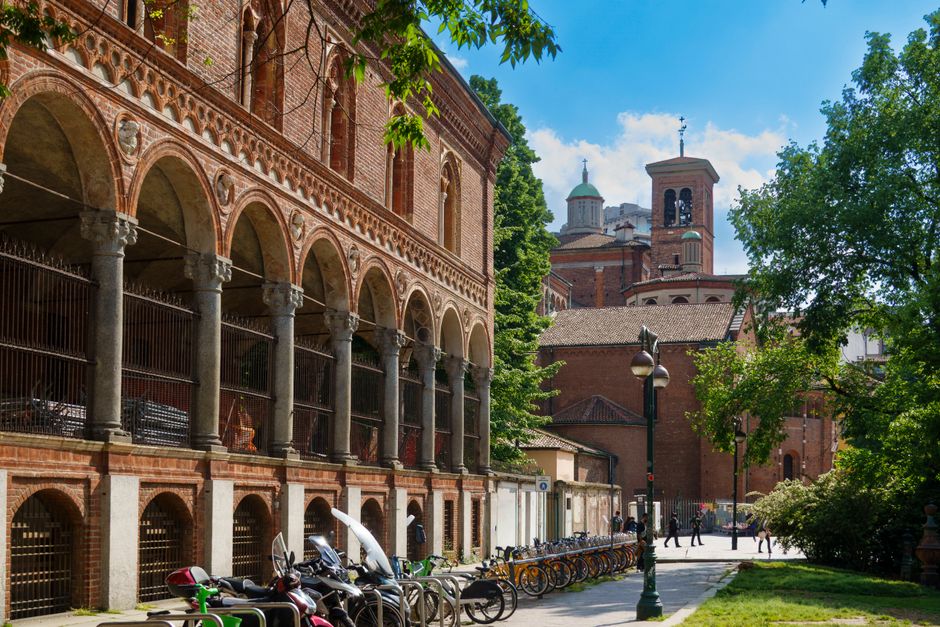
Walk through the Navigli on a Sunday morning and you'll spot them: runners plotting their routes on apps that track heart rate variability, cyclists discussing their latest blood work results over coffee. Five years ago, this kind of preventive health consciousness felt distinctly un-Milanese. Today, it's woven into the city's wellness fabric as tightly as the aperitivo culture itself.
The shift is real and measurable. Milan's public healthcare system, Agenzia di Tutela della Salute (ATS) Milano, reports a 34% increase in preventive screening requests since 2023—particularly among professionals aged 35–55 in Porta Nuova and the financial district. Private clinics dotting Corso Magenta and Via Torino now offer streamlined wellness packages: comprehensive metabolic panels, cardiovascular risk assessments, and cancer screenings bundled into single visits costing €250–450.
What's driving this? Partly lifestyle awareness. The Mediterranean diet and movement culture Milan inherited have collided with modern anxieties about hidden health risks. Partly infrastructure: the city's excellence in preventive oncology and cardiology research has trickled into public consciousness. And partly social proof. Corporate wellness programmes—particularly in tech and finance—now treat annual screenings as standard benefits, normalising the habit across professional circles.
Dr-led clinics like those near Sempione Park and in the Brera neighbourhood report waiting times have doubled for first-time wellness assessments. Public options through your local MMG (médico di medicina generale) remain free under Italy's healthcare system, though booking can take weeks. The private route is faster, increasingly popular among expats and busy professionals who see it as time investment rather than expense.
What's distinctly Milanese about this trend is the pragmatism. This isn't wellness theatre—gym selfies and supplement hauls. It's efficient, data-driven, integrated into existing routines. A screening appointment fits between work and a Navigli bicycle ride; results appear in a secure app; follow-ups are scheduled without drama.
The wellness community is leaning in. Running clubs around Sempione now discuss VO₂ max improvements alongside race times. Cycling groups compare notes on cholesterol management. Even the traditional aperitivo has evolved—alcohol-free options proliferate, less from puritanism than from a broader culture of intentional living.
Milan's preventive health trend isn't revolutionary, but it's sticky. It aligns with the city's values: efficiency, style, and a certain quiet confidence about taking control. For a city that prizes looking and feeling good, prevention simply makes sense.
This article was compiled by AI from the sources linked above and screened before publishing. See our editorial standards.