The Daily Routines Keeping Milan's Older Adults Moving: Five Habits That Work
From dawn swims at the Lido to evening strolls along the Navigli, Milanese seniors are quietly rewriting the playbook on staying mobile after 60.
From dawn swims at the Lido to evening strolls along the Navigli, Milanese seniors are quietly rewriting the playbook on staying mobile after 60.
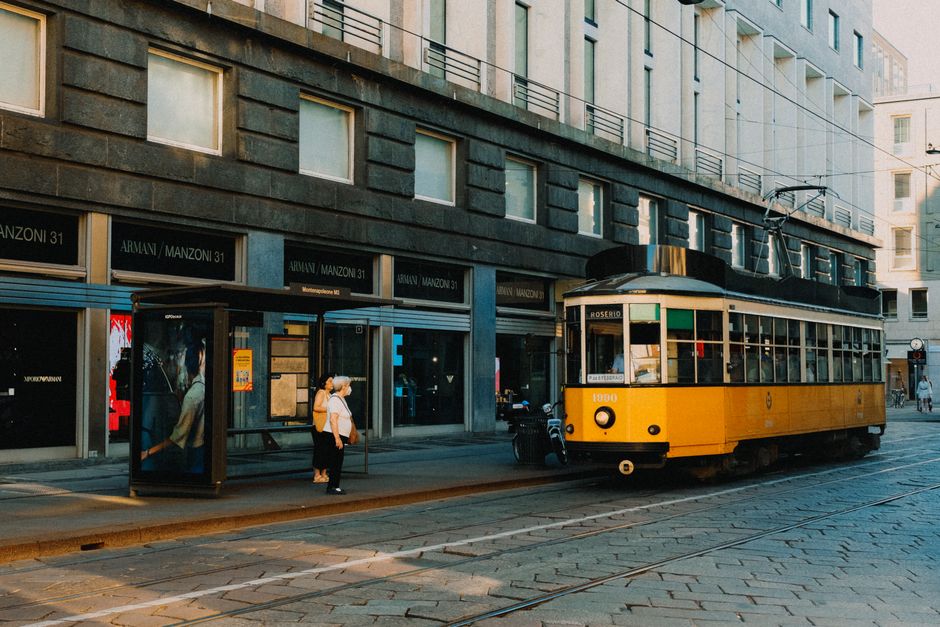
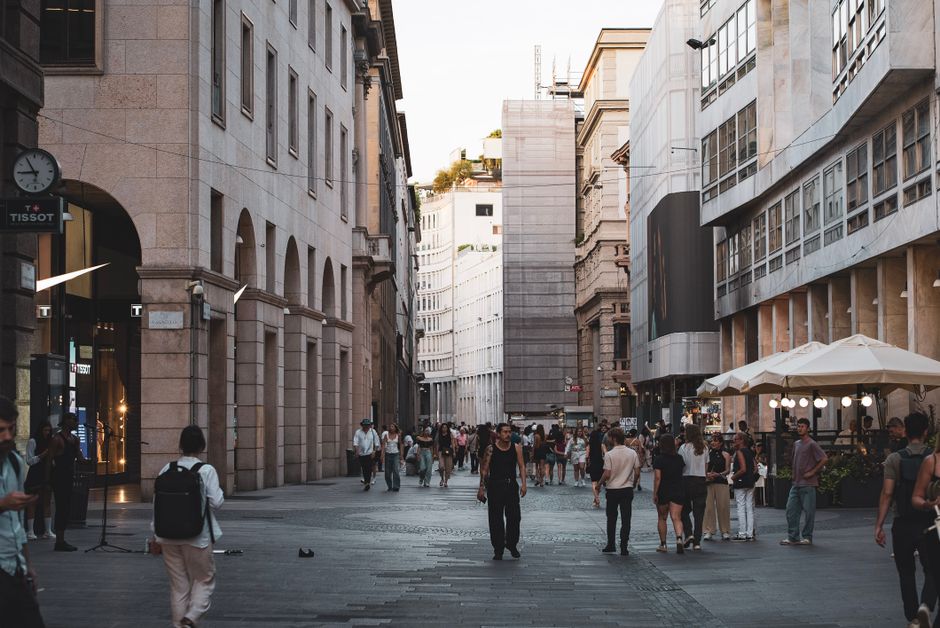
On any given Tuesday morning, Sempione Park fills with a particular rhythm: walkers moving steadily between the monumental arch and the tree-lined paths, many of them well into their sixties and seventies. This isn't accidental vitality—it's the result of deliberate, unglamorous habits that Milanese older adults have embedded into their daily lives, habits that physiotherapists and gerontologists increasingly recognise as crucial for maintaining independence.
The first habit is deceptively simple: scheduled movement in social settings. Rather than solitary gym sessions, many locals favour group activities with built-in accountability. The Circolo della Canottieri on the Navigli Grande, for instance, offers supervised aquatic exercise sessions where participants aged 60–85 gather twice weekly. The cost—roughly €45 per month—includes access to shallow-water fitness classes designed specifically for joint mobility and core strength. "It's not about swimming fast," explains one regular participant's typical experience. "It's about showing up, and your friends notice when you don't."
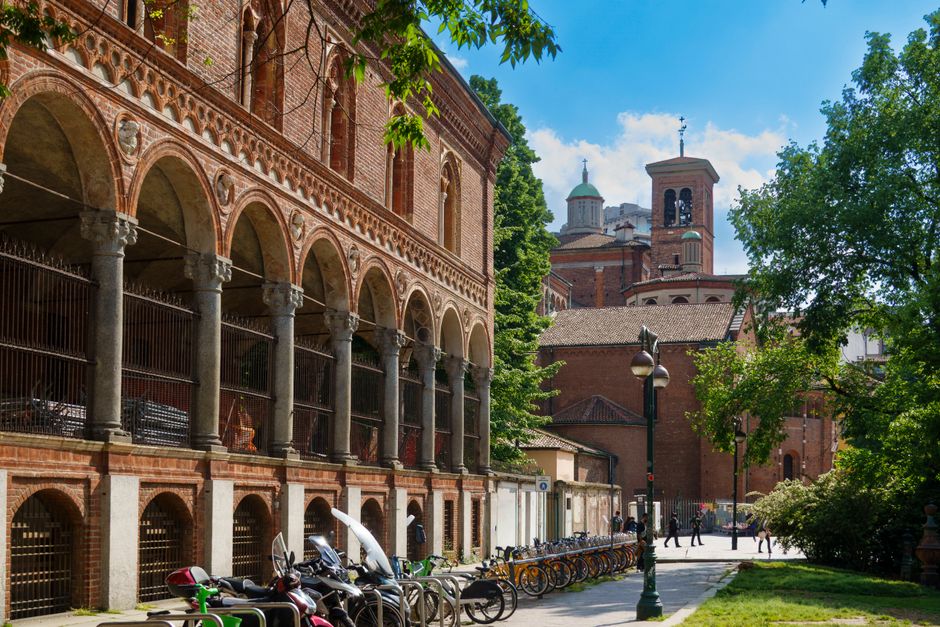
The second habit is the morning aperitivo walk. Unlike the evening aperitivo culture that defines Milan's social calendar, many older adults have adopted early-morning mobility routines around their neighbourhood—Brera, Navigli, or Sant'Ambrogio districts—stopping for a coffee only after 20–30 minutes of continuous walking. This habit conflates exercise with pleasure, removing the psychological barrier many feel toward formal fitness.
Stairs have become intentional. Rather than always taking the Duomo metro station's lifts, locals increasingly choose steps as a daily challenge. Small decisions compound: choosing the stairs at their apartment building, at shops along Via Torino, or at neighbourhood churches become micro-doses of resistance work—precisely the joint-protection strategy gaining momentum in gerontological research.
A fourth habit is the Thursday or Saturday cycling outing along the Navigli towards Abbiategrasso or on the Martesana cycle path. E-bikes have democratised this for those with reduced leg strength; rentals from stations near Porta Venezia cost around €3 per hour. The social element matters as much as the cardiovascular benefit.
Finally, Milan's excellent public healthcare system enables regular physiotherapy check-ins. Many locals book quarterly sessions with their local ASL clinic rather than waiting for pain to emerge—preventive maintenance rather than crisis management.
These aren't trendy or Instagram-friendly practices. They're pragmatic, rooted in Milan's existing infrastructure and social culture, and they work because they're woven into daily life rather than treated as separate activities. For older Milanese, staying mobile isn't a goal—it's simply what one does on a Tuesday morning.
This article was compiled by AI from the sources linked above and screened before publishing. See our editorial standards.
How does this story make you feel?
Spread the word
About this article
Published by The Daily Milan
Daily brief
Free, in your inbox before 7am. Weekdays.
More in Wellness