How to Start a Walking Group in Your Neighbourhood
From recruiting your first members to mapping routes around Milan's iconic districts, here's what you need to know to build a thriving community fitness habit.
From recruiting your first members to mapping routes around Milan's iconic districts, here's what you need to know to build a thriving community fitness habit.
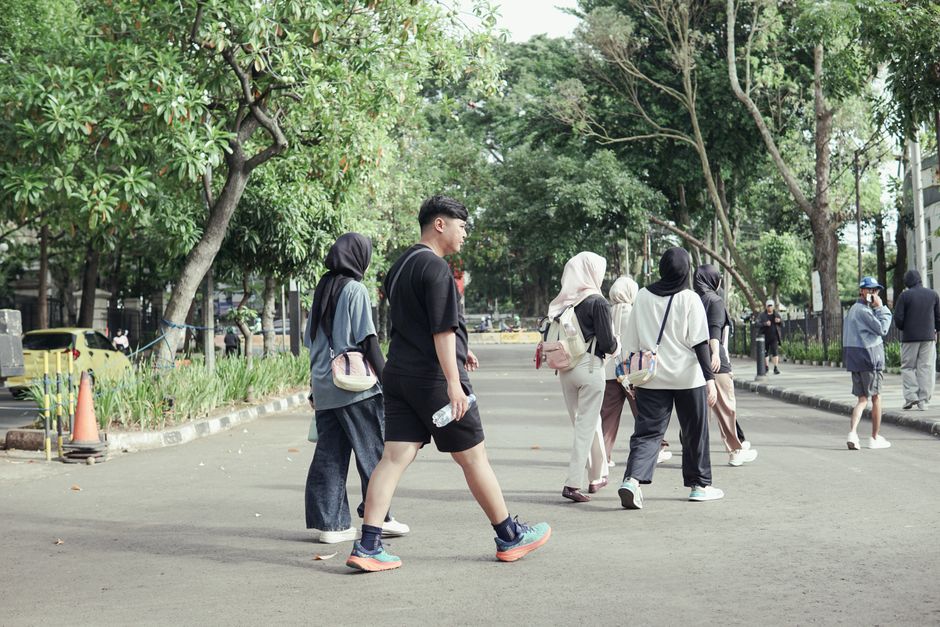
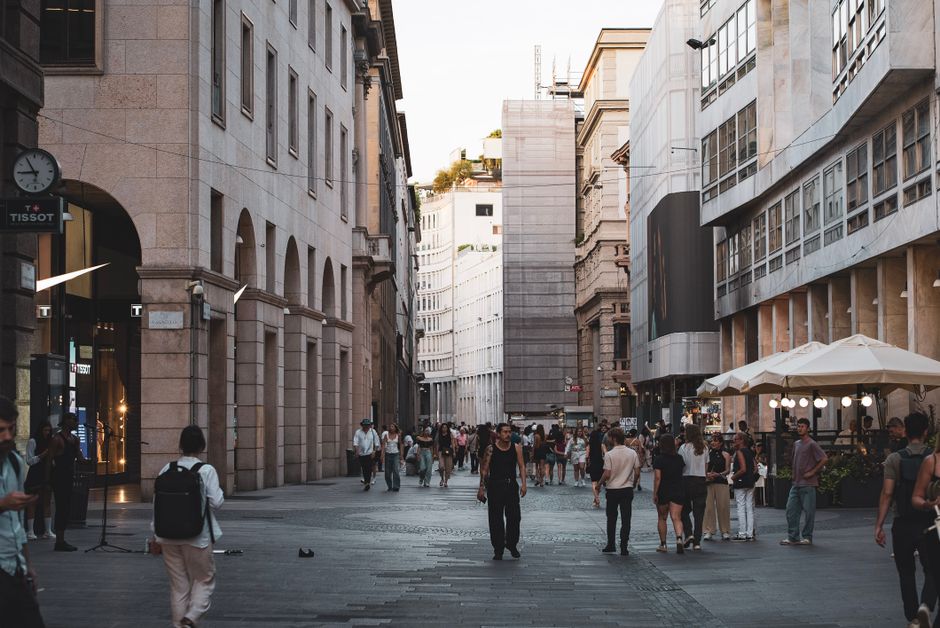
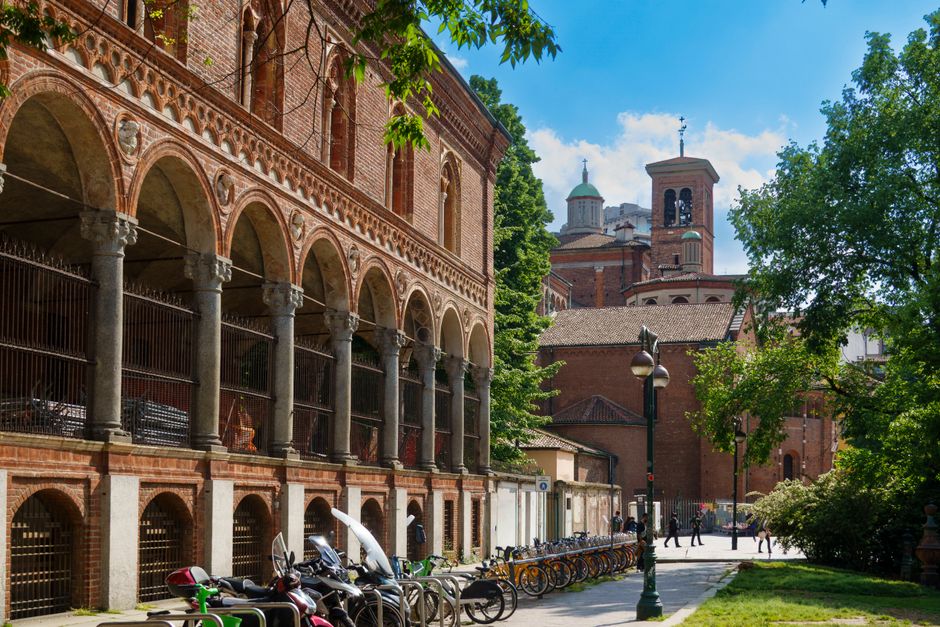
Walking groups have become a cornerstone of neighbourhood wellness across Milan, transforming solitary strolls into social rituals that strengthen both bodies and community bonds. Whether you're inspired by the tree-lined paths of Sempione Park or the quieter residential streets of Brera, starting a neighbourhood walking group requires minimal investment but considerable intention.
Begin by identifying your core audience and location. Neighbourhoods like Navigli, with their flat canal-side routes, attract beginners and families; hillier areas near Monumental Cemetery suit those seeking more demanding terrain. Survey friends, colleagues, and neighbours about timing preferences—early mornings before work remain popular in Milan, though evening aperitivo-hour walks (around 18:30) leverage the city's social culture. A WhatsApp group or Facebook community page costs nothing and reaches locals effectively.
Next, scout three to four realistic routes. A beginner loop around Parco Sempione or along the Navigli takes 30–45 minutes and requires no special fitness. Intermediate groups might explore the tree-lined streets connecting Porta Romana to Porta Ticinese, roughly 5 kilometres. Document distances, elevation changes, and facilities like water fountains and accessible restrooms—practical details that keep participants returning.
Establish clear logistics. Most successful Milan groups meet weekly at a fixed time and location—say, Saturday mornings at the Sempione Park main entrance. A consistent schedule removes decision fatigue and builds habit. Set a modest pace (3–4 kilometres per hour) that welcomes all fitness levels. Research shows that walking groups with mixed-ability participants report higher retention than competitive-focused clubs.
Consider partnering with existing organisations. The Comune di Milano's sports department and local circoli (neighbourhood associations) often support grassroots initiatives. Some neighbourhoods have subsidised wellness programmes; check with your municipio. Milan's excellent public healthcare system increasingly recognises walking groups as preventive medicine—your GP may even recommend participation to patients.
Finally, foster community beyond the walk itself. Organise a pre-walk coffee at a local bar or post-walk aperitivo—this aligns naturally with Milanese social rhythms and deepens group cohesion. Keep communication friendly and inclusive; emphasise that walking groups are about consistency, not speed.
The beauty of neighbourhood walking groups lies in their simplicity: minimal cost, maximum accessibility, and genuine connection. Start with five committed people, establish your rhythm, and watch your community walking culture grow organically. Milan's neighbourhoods, from Isola to Greco, are waiting to be explored together.
This article was compiled by AI from the sources linked above and screened before publishing. See our editorial standards.
How does this story make you feel?
Spread the word
About this article
Published by The Daily Milan
Daily brief
Free, in your inbox before 7am. Weekdays.
More in Wellness