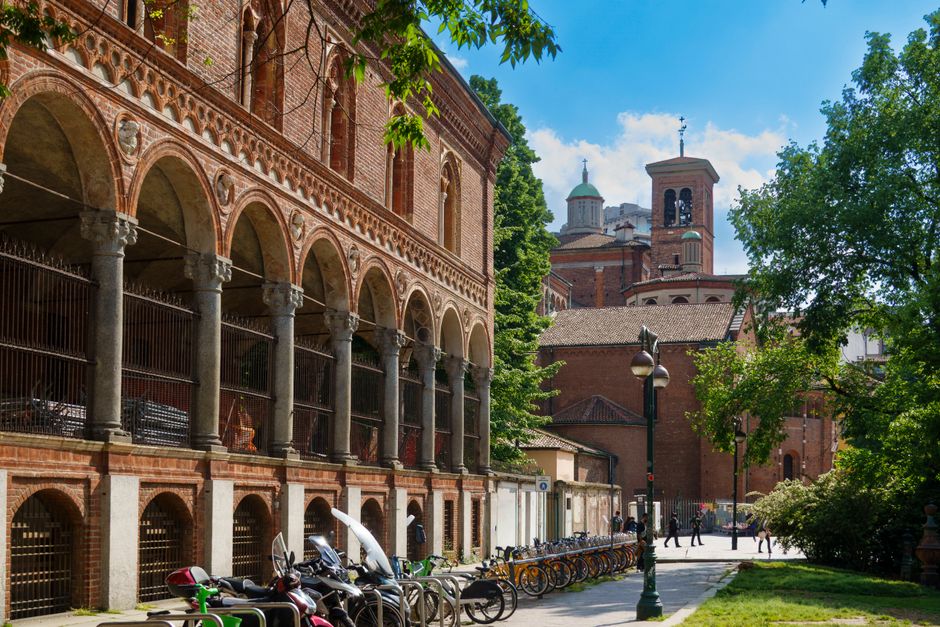
Five years ago, finding a dedicated yoga studio in Milan's centro meant tracking down a handful of spots tucked above fashion ateliers or hidden in residential courtyards. Today, the landscape has transformed. Brera, Navigli, and the area around Corso Como now host more than thirty dedicated studios, with new openings arriving monthly. The shift reflects something deeper than trend-chasing: Milan is reimagining wellness on its own terms.
The numbers tell the story. According to a 2025 survey by the Milan Chamber of Commerce, wellness memberships—particularly yoga and meditation classes—have grown 47 percent since 2022. Studio Yoga Republic in Brera reports waitlists for evening vinyasa sessions. Meanwhile, free meditation circles in Sempione Park have expanded from weekend sessions to daily 6:30 a.m. gatherings, drawing retirees and professionals alike.
What's driving this shift in a city historically defined by pace and productivity? Local wellness practitioners point to the post-pandemic recalibration. "Milanese professionals suddenly recognised that speed isn't wellness," explains one teacher at a Navigli-based studio. "The aperitivo culture we love remains vibrant, but it's now balanced with intentional breathing and body awareness." Studio prices range from €15–25 per drop-in class to €80–120 monthly memberships, positioning yoga as accessible rather than luxury.
The integration feels distinctly Milanese. Rather than replacing traditional routines, holistic wellness is grafting itself onto existing rhythms. Morning runners in Sempione Park now add ten minutes of breathwork. Cyclists along the Navigli canal paths pause for meditation at scenic spots. Even aperitivo culture is shifting: wellness-focused bars in Brera now offer adaptogenic mocktails alongside wine, catering to those balancing social connection with mindfulness practices.
Public healthcare support has also accelerated adoption. Lombardy's regional health authority now reimburses certain yoga and meditation programmes for stress-related conditions, making these practices more accessible across income levels—a significant factor in a city where healthcare equity matters.
The trend extends beyond studios. Apps offering guided meditations in Milanese dialect, holistic wellness retreats in Tuscany marketed specifically to Milanese professionals, and corporate mindfulness programmes at major design and finance firms have all emerged in the past eighteen months.
Milan's wellness evolution isn't about abandoning its identity—it's about deepening it. The city remains Europe's productivity engine and cultural powerhouse. Yoga and meditation aren't softening that edge; they're making it sustainable. For a city that has always valued both ambition and la dolce vita, holistic wellness offers a framework to pursue both without burnout.
This article was compiled by AI from the sources linked above and screened before publishing. See our editorial standards.