From the Navigli to the Gym: How Milan's Seniors Are Rewriting the Rules of Active Ageing
Three neighbourhood-based wellness initiatives are proving that transformation after 60 isn't just possible—it's becoming Milan's most compelling health story.
Three neighbourhood-based wellness initiatives are proving that transformation after 60 isn't just possible—it's becoming Milan's most compelling health story.
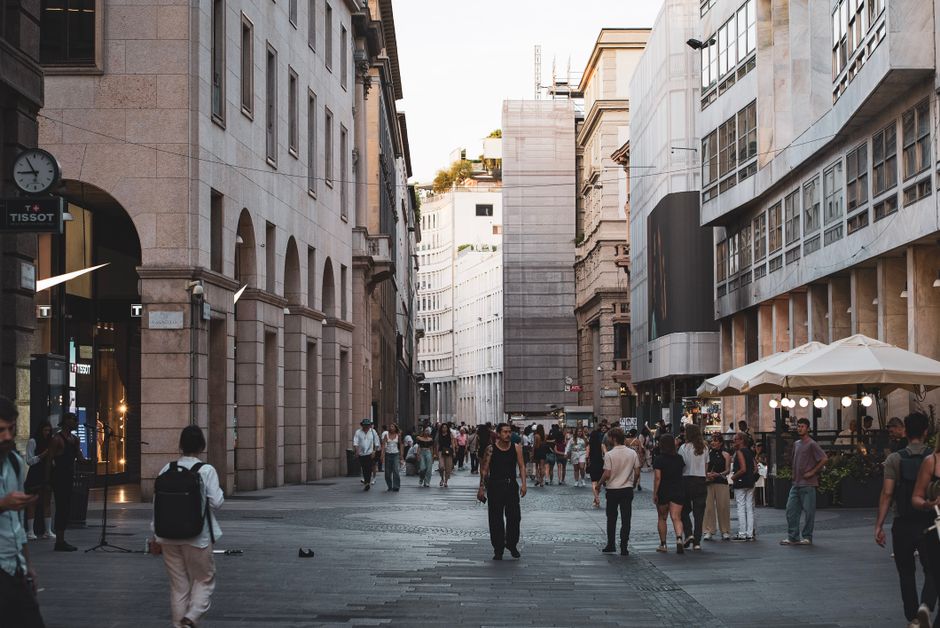
On any given Tuesday morning, the cycle path along the Navigli Grande fills with silver-haired cyclists steering toward Porta Ticinese. What started three years ago as an informal gathering of retirees has evolved into a structured programme run by ASpId (Associazione Sportiva Italiana Disabili), attracting over 200 regular participants. The 8-kilometre round trip, undertaken at leisurely pace with frequent espresso stops, represents something quietly revolutionary: mobility redefined for Milan's over-60s population.
"We're not training for marathons," explains one recurring participant who joined after a bout of immobility following a fall. "We're training for life." The Navigli routes offer flat terrain, regular water access, and—crucially—a social structure that transforms exercise from solitary obligation into community ritual. A single-month pass costs €15, with subsidised rates available through Milan's public healthcare system.
Across the city, similar transformations unfold. In Sempione Park, the municipality's "Camminata Consapevole" (Mindful Walking) groups have grown from two weekly sessions in 2024 to nine, servicing roughly 180 seniors monthly. Physiotherapists from nearby Ospedale Sforza volunteer guidance on joint protection—a direct response to research suggesting that structured group walking reduces fall risk by up to 45 per cent in adults over 65.
Perhaps most striking is the uptake at neighbourhood leisure centres in Brera and around Viale Majno. The municipal "Over60Plus" programme, launched in 2025, offers subsidised aquatic therapy, mobility classes, and balance training. Current registration sits at 1,847 participants across five locations, with waiting lists for afternoon sessions extending into August.
What distinguishes Milan's approach is integration with daily culture. The aperitivo—that sacred Milanese ritual—remains central. Many groups conclude their activities with low-alcohol spritz at waterfront bars, embedding wellness into existing social fabric rather than demanding lifestyle overhaul. The Navigli groups, in particular, have become unofficial networks for exchanging healthcare tips, mobilising peer support around managing chronic conditions.
Dr. Alessandra Colombo, physiotherapy director at Ospedale dell'Angelo, notes a marked increase in self-referrals from seniors seeking preventive guidance before problems emerge. "Five years ago, we saw people after crisis," she observes. "Now we're seeing people invested in their own mobility story."
The transformation isn't measured only in kilometers cycled or laps completed. It's visible in reduced healthcare visits, improved social connection markers, and renewed sense of agency. For Milan's growing cohort of active seniors, wellness has become less about fighting ageing and more about building community momentum—one Navigli cycle, one Sempione walk, one aperitivo at a time.
This article was compiled by AI from the sources linked above and screened before publishing. See our editorial standards.
How does this story make you feel?
Spread the word
About this article
Published by The Daily Milan
Daily brief
Free, in your inbox before 7am. Weekdays.
More in Wellness