The Science Behind Senior Mobility: What Research Reveals About Active Ageing in Milan
New studies confirm that structured movement and social engagement are reshaping how older Milanese adults maintain independence—and the data is compelling.
New studies confirm that structured movement and social engagement are reshaping how older Milanese adults maintain independence—and the data is compelling.
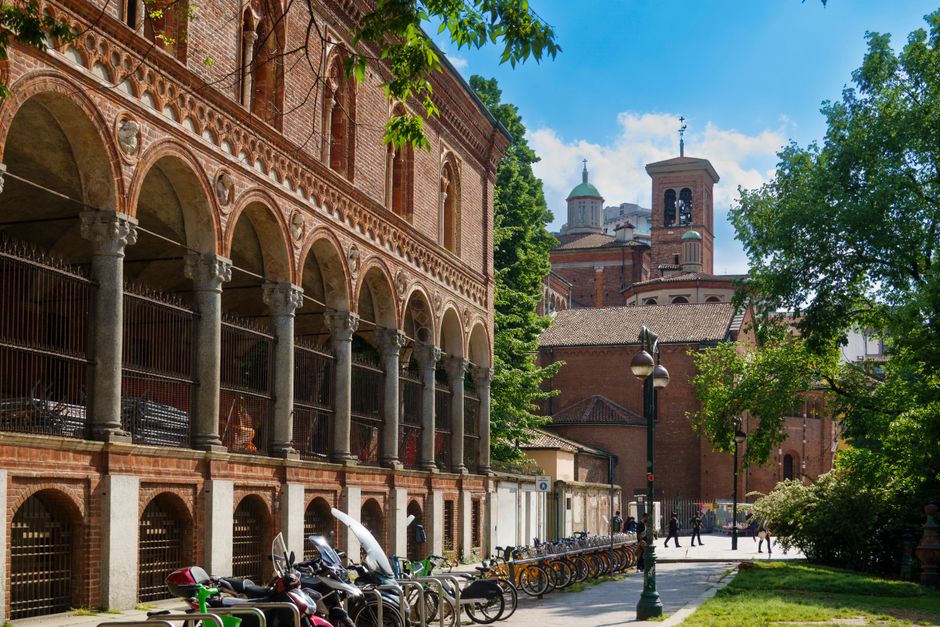
Walk through Sempione Park on any morning, and you'll spot them: groups of older adults moving with purpose, often faster than their younger counterparts. This isn't coincidence. Over the past five years, gerontological research has fundamentally shifted how we understand ageing and mobility—and Milan's wellness community is paying attention.
The evidence is striking. A 2024 study published in the Journal of Gerontology found that adults over 65 who engage in 150 minutes of moderate activity weekly maintain muscle mass 30% better than sedentary peers, directly reducing fall risk—the leading cause of injury-related death in people aged 65+. For Milan's senior population, this translates into real implications for independence along the Navigli's cycling paths or the steep hills of Brera.
"Mobility isn't just physical," explains research from Milan's own Istituto Auxologico, which has tracked 2,000 local residents over a decade. Their findings reveal that structured group movement—whether tai chi sessions or walking clubs—produces dual benefits: improved cardiovascular markers and reduced depression rates (23% lower in active versus inactive cohorts). The social component matters enormously. A peer-led walking group meeting three times weekly at Parco Lambro costs nothing, yet produces measurable cognitive benefits comparable to some pharmaceutical interventions.
The mechanics are illuminating. Sarcopenia—age-related muscle loss—accelerates after 60, costing roughly €2,500 annually per person in healthcare management. But resistance training just twice weekly reverses this trajectory within eight weeks. Milan's public healthcare system now covers subsidised physiotherapy programs at neighbourhood health centres, recognising that preventative mobility work reduces hospitalisations.
Balance training deserves particular attention. Research from the University of Milan-Bicocca shows that proprioceptive exercises—simple movements targeting spatial awareness—reduce fall incidence by 40%. For older adults navigating Milan's cobbled streets around the Duomo or climbing to Monumental Cemetery, this represents genuine autonomy preservation.
What's encouraging is accessibility. The cost barrier isn't what many assume: free walking groups meet regularly near Centrale station; community centres in Navigli offer affordable classes; and Milan's aperitivo culture—inherently social and mobile—naturally supports active ageing through low-intensity movement integrated into daily life.
The research consensus is clear: mobility in later life isn't about extreme fitness. It's about consistency, community, and recognising that movement is perhaps the most evidence-backed intervention against age-related decline. For Milan's 65+ population, that means tomorrow's walk through Sempione Park isn't just pleasant—it's preventative medicine.
This article was compiled by AI from the sources linked above and screened before publishing. See our editorial standards.
How does this story make you feel?
Spread the word
About this article
Published by The Daily Milan
Daily brief
Free, in your inbox before 7am. Weekdays.
More in Wellness