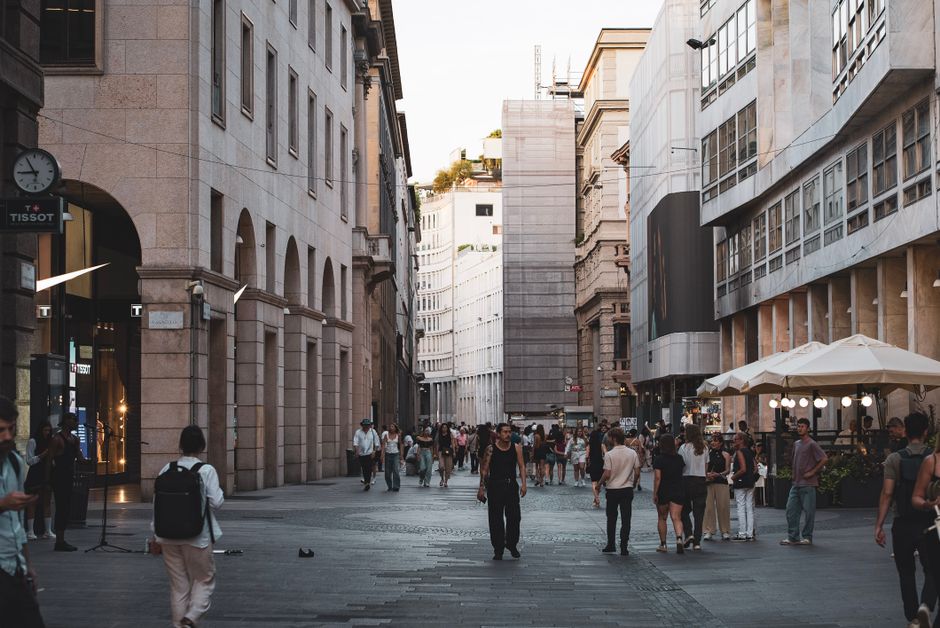
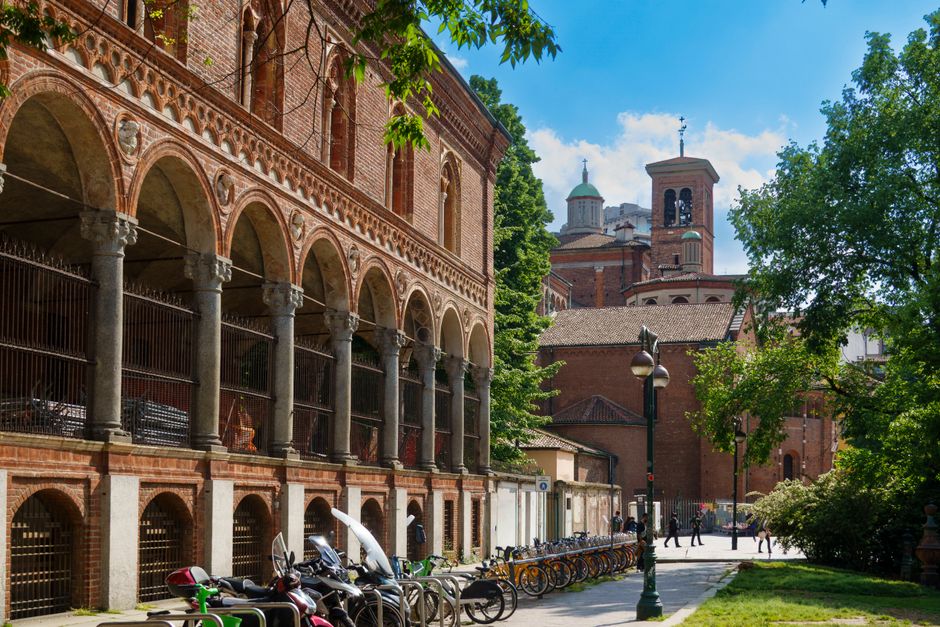
Walk past Sempione Park on any weekday morning, and you'll notice something unmistakably Milan: sleek runners in coordinated kits, moving with purpose along tree-lined paths. This isn't coincidence. Over the past 18 months, outdoor running in the city has shifted from niche hobby to mainstream wellness movement, reshaping how residents think about fitness and urban green space.
The numbers tell the story. Local running clubs report membership increases of 35–40% since 2024, with Sempione Park—the city's 386-hectare green lung north of Castello Sforzesco—serving as the unofficial headquarters. The main circuit around the perimeter offers a flat, well-maintained 4.5-kilometre loop, ideal for both beginners and serious athletes. Beyond Sempione, the Navigli district has become equally vital: cyclists and runners now share the waterfront paths along the Naviglio Grande and Naviglio Pavese, with the restored tow paths creating scenic 8–12-kilometre routes toward Abbiategrasso.
What's driving this shift? Part of it reflects a broader rejection of gym culture post-pandemic, but Milan's particular appeal lies in its blend of accessibility and social tradition. The aperitivo culture that defines evening life here has naturally extended to morning movement. Running groups now coalesce around neighbourhood bars in Brera, Porta Ticinese, and Navigli, meeting for coffee post-run rather than replacing it—a distinctly Milanese integration of wellness into existing leisure rhythms.
Infrastructure improvements have supported the trend. The comune has invested in better trail signage across green spaces, while private wellness companies like running specialists on Corso Buenos Aires have opened trail-focused coaching practices. A typical beginner's group session costs €12–18 per person, with monthly memberships ranging €45–65. Professional coaching is available through established organisations, though many runners simply leverage free online communities or the city's natural topography.
The environmental benefit is quietly significant. More runners on city trails means stronger community voices advocating for park maintenance and green corridor expansion—a virtuous cycle in a city increasingly conscious of its carbon footprint and quality of life.
If you're considering joining this movement, Sempione remains the natural entry point, but don't overlook the Navigli: quieter, longer, and offering that distinctly Milanese water-and-architecture backdrop. Start early (before 8 a.m.) to avoid crowds, bring water, and perhaps plan a cappuccino stop afterward. That's how Milan does it.
This article was compiled by AI from the sources linked above and screened before publishing. See our editorial standards.