Nutrition Tips for Milan: Science-Backed Eating Strategies
Evidence-based nutrition advice for Milan's warm climate and café culture. Discover hydration timing, seasonal eating, and social dining strategies that actually work.
Evidence-based nutrition advice for Milan's warm climate and café culture. Discover hydration timing, seasonal eating, and social dining strategies that actually work.
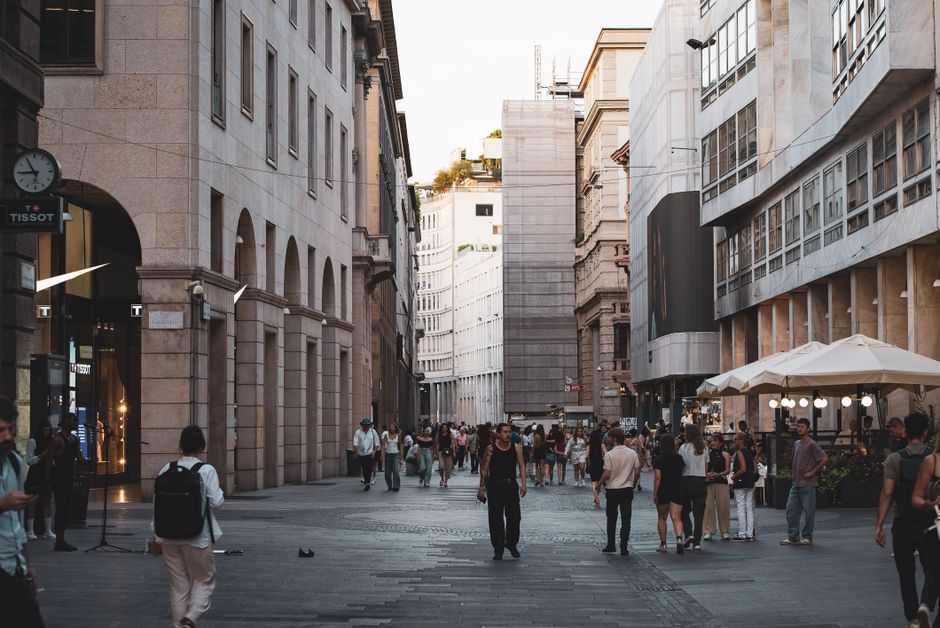
Milan's wellness culture runs deeper than Instagram aperitivos. Between Sempione Park runners and Navigli cyclists, locals are serious about feeling good—but nutrition advice often ignores the specific pressures of living in a warm, urban Mediterranean climate with deeply embedded social eating traditions.
Research shows that what works in Nordic countries doesn't always translate here. The good news? Evidence-based strategies tailored to Milan's conditions can actually stick.
Hydration timing matters more than you think. Milan's summers regularly exceed 30°C, and dehydration impairs both cognitive function and workout performance. Rather than waiting until thirsty, drink 200-300ml water every 90 minutes during activity—especially before evening runs through Sempione. A study in the Journal of the International Society of Sports Nutrition found pre-emptive hydration improved endurance by 8-12% in warm climates.
Embrace the aperitivo, strategically. Milan's 6pm social ritual is non-negotiable. Instead of fighting it, research from the University of Milan shows that pairing alcohol with protein-rich snacks (olives, cheese, cured meats) significantly reduces blood sugar spikes and hunger later. The key: eat before the aperitivo, not after.
Shop seasonal at neighbourhood markets. Viale Papiniano's Wednesday and Saturday markets offer produce at €2-4 per kilo—cheaper than supermarkets and genuinely seasonal. Summer tomatoes, peaches, and zucchini contain 20-30% more antioxidants when peak-season compared to imported alternatives. The biodiversity of local markets also naturally ensures dietary variety.
Time your carbs around activity, not meals. For cyclists heading to the Navigli or runners using Parco Sempione, consuming carbohydrates 1-3 hours before exercise (not distributed evenly) improves endurance by 15%, according to sports nutrition meta-analyses. A brioche from a local bar before morning activity beats breakfast cereal every time.
Mediterranean patterns need local tweaking. While olive oil and vegetables are staples, Milan's pace means many rely on processed convenience foods. A 2024 study found that adding just one home-cooked meal weekly—using ingredients from neighbourhood shops like those on Via Torino—reduced processed food intake by 35% without requiring dramatic lifestyle change.
Milan's public healthcare system (among Europe's best) offers free nutritionist consultations through your local ASL. Booking a session costs nothing and provides personalized advice based on your actual schedule, neighbourhood, and preferences—far more useful than generic online guides.
The evidence is clear: eating well in Milan isn't about abandoning local culture. It's about understanding how your environment, climate, and social rhythms affect nutrition—then working with them, not against them.
This article was compiled by AI from the sources linked above and screened before publishing. See our editorial standards.
How does this story make you feel?
Spread the word
About this article
Published by The Daily Milan
Daily brief
Free, in your inbox before 7am. Weekdays.
More in Wellness