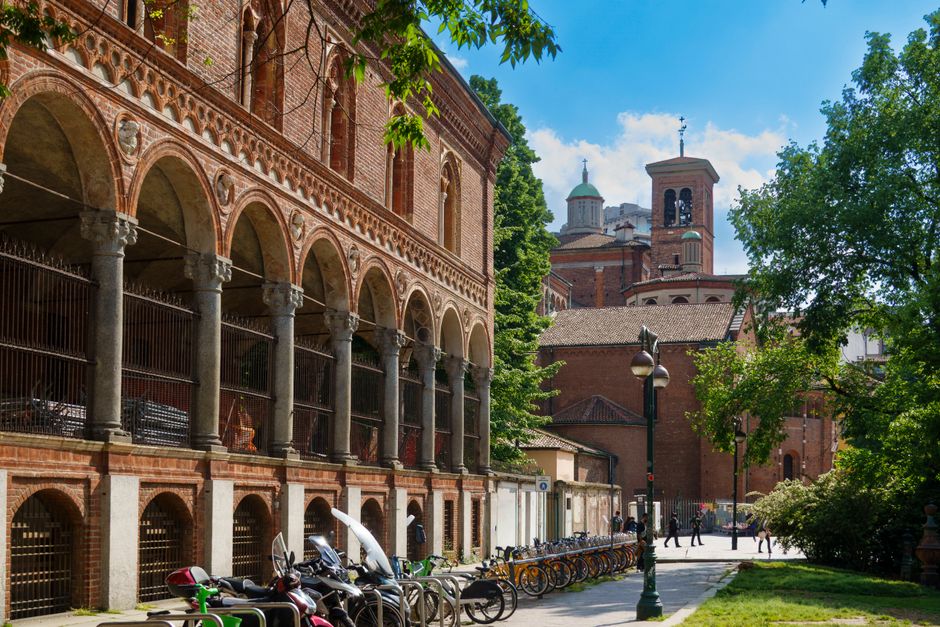
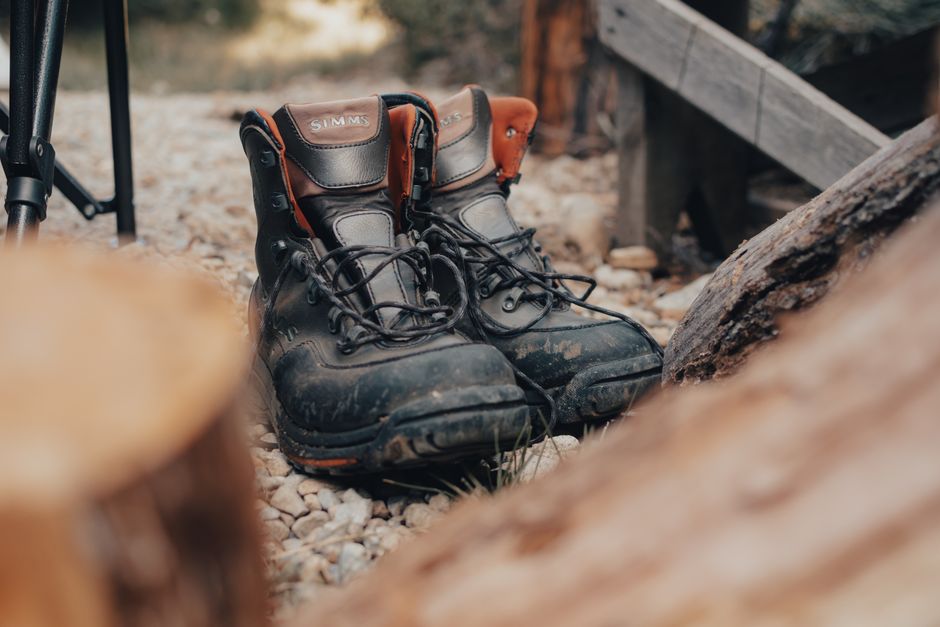
Walk through Sempione Park on any weekday morning, and you'll witness a quiet transformation taking place across Milan's fitness landscape. Where treadmills once dominated, the city's wellness enthusiasts are now lacing up running shoes and hitting the pavement—or park paths—with renewed purpose.
The trend reflects a broader shift in how Milanese approach health and fitness. Local running clubs report membership increases of approximately 35% over the past three years, with organised trail groups now convening multiple times weekly across the city's key venues. Sempione Park remains the epicentre, its 95-hectare expanse offering everything from gentle 3-kilometre loops suitable for beginners to more demanding circuits that attract serious distance runners.
But Milan's running renaissance extends far beyond the city's flagship green space. The Navigli district—historically associated with aperitivo culture—has emerged as an unexpected fitness hub. The network of navigable waterways and cycling lanes provides scenic alternatives for runners seeking respite from urban concrete. Similarly, the Parco Nord circuit, accessible via tram from Centrale Station, offers dedicated running paths through protected woodland that feel worlds away from the urban centre.
What's driving this shift? Part of it is practical economics. A gymnasium membership in Milan averages €50–80 monthly; by contrast, well-maintained public running routes cost nothing. Yet the appeal runs deeper. The Mediterranean wellness lifestyle that defines Italian culture increasingly prioritises movement integrated into daily life rather than confined to dedicated facilities. Running to work, running to meet friends, running as social ritual—these practices align with how Milanese have traditionally approached health and community.
Local authorities have responded to this momentum. The city has invested in improved signage along major running corridors and maintains regular maintenance schedules for Sempione's paths. Meanwhile, organisations like Milano Runners and various neighbourhood-based groups have formalised the informal, organising structured weekend runs that accommodate all fitness levels.
The trend also intersects with Milan's broader wellness infrastructure. Recovery spaces—massage therapists, physiotherapy clinics, and juice bars—are clustering near popular running zones, creating informal wellness ecosystems. This mirrors patterns seen in Copenhagen and Berlin, cities where outdoor running culture catalyses broader health investments.
For those considering joining Milan's growing runner community, the barrier to entry has never been lower. Whether you prefer the manicured elegance of Sempione's avenues, the waterside contemplation of the Navigli, or the woodland solitude of Parco Nord, the city now offers legitimate alternatives to gym-based fitness. It's a wellness trend genuinely rooted in how Milan's residents live, move, and connect with their city.
This article was compiled by AI from the sources linked above and screened before publishing. See our editorial standards.