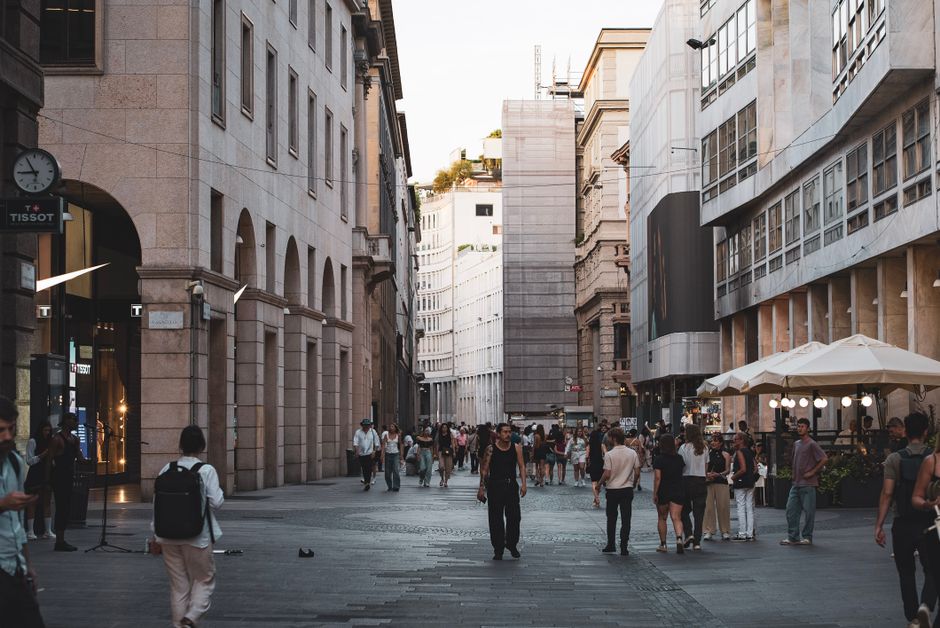
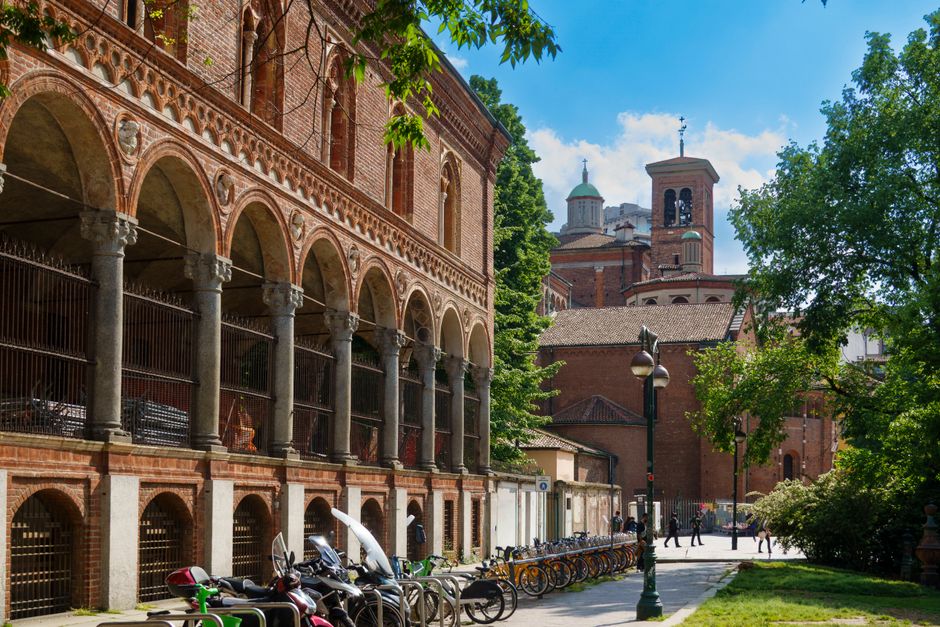
While Silicon Valley obsesses over sleep-tracking wearables and biohacking protocols, Milan's wellness community is reaching a quieter conclusion: sometimes the old ways work best. Yet the city's relationship with rest tells a more nuanced story about how global trends meet local culture.
International sleep science has shifted dramatically in recent years. The global wellness market now values quantified sleep metrics, circadian rhythm optimization, and expensive mattress technologies—trends that have gained traction among Milan's affluent Brera and Navigli neighbourhoods. Luxury sleep clinics have opened near Corso Vittorio Emanuele, catering to executives seeking competitive advantages through better rest. Yet uptake remains modest compared to London or Berlin.
What's fascinating is how Milanese wellness professionals are increasingly repositioning traditional habits as evidence-based practice. The long lunch, the evening passeggiata through Sempione Park, the deliberate slowness of aperitivo culture—these aren't obstacles to productivity, but foundational to sleep quality. Dr. Marco Respighi, sleep researcher at Milan's public health authority, notes that the city's natural rhythm already aligns with circadian science: morning light exposure during commutes along the Navigli, afternoon movement, evening social wind-down.
Local adoption of sleep wellness apps and tracking devices sits at approximately 23% among Milan professionals—notably lower than London's 47% or New York's 51%, according to recent Eurostat wellness surveys. Instead, Milanese wellness seekers gravitate toward accessible, community-based approaches: free running groups departing from Sempione Park at dawn, cycling clubs using the Navigli pathways for evening exercise, and continued reliance on Italy's excellent public healthcare system for sleep disorder diagnosis rather than private tracking ecosystems.
The city's strong aperitivo social culture—gathering from 6-8pm in neighbourhoods like Isola or around Piazza Gae Aulenti—functions as a de facto wind-down ritual. Unlike the North American trend toward complete evening device isolation, Milanese wellness culture treats socializing as sleep hygiene. It's low-pressure, movement-based, and deliberately unhurried.
Where Milan does align with global trends: growing interest in sleep education. The city's municipal health services now offer free sleep wellness workshops quarterly, attracting middle-income participants seeking alternatives to expensive wellness retreats. Demand outpaces supply by three to one.
The emerging pattern suggests Milan isn't ignoring global sleep science—it's selectively adopting what works while trusting inherited rhythms. That's not resistance to wellness trends; it's discernment. For a city already optimized by geography and culture, the miracle cure may simply be protecting what already exists.
This article was compiled by AI from the sources linked above and screened before publishing. See our editorial standards.