Mediterranean Diet Milan: What Research Proves
Science-backed evidence on how Milan's traditional eating patterns reduce heart disease by 30%. Peer-reviewed studies explain why local food culture protects health.
Science-backed evidence on how Milan's traditional eating patterns reduce heart disease by 30%. Peer-reviewed studies explain why local food culture protects health.
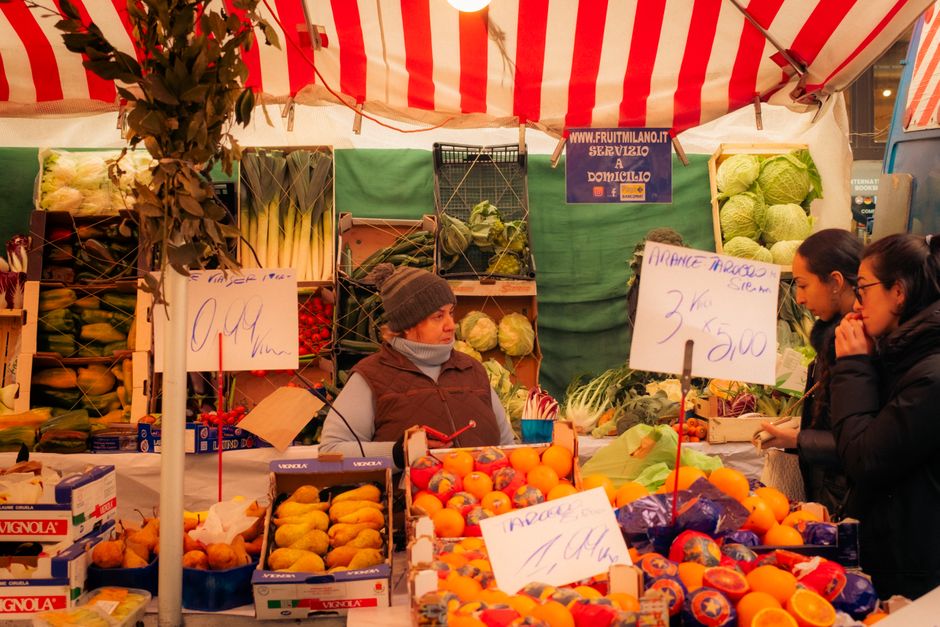
Walk through Viale Papiniano on a Saturday morning and you'll witness a ritual that's been protecting Milanese health for generations. The market stalls overflow with seasonal produce, fresh fish from the Adriatic, and artisanal cheeses. But is this simply nostalgia, or does rigorous science back up what our grandmothers knew?
The Mediterranean diet—the nutritional blueprint of northern Italy—has accumulated extraordinary research credentials. A landmark 2013 study published in the New England Journal of Medicine followed over 7,000 Spanish participants for five years, comparing traditional Mediterranean eating patterns against low-fat diets. The Mediterranean approach reduced cardiovascular disease by 30%. More recent meta-analyses, including work from the European Heart Journal, confirm that adherence to this pattern correlates with 20% lower all-cause mortality.
What makes Milan's food landscape scientifically optimal? The emphasis on extra virgin olive oil—rich in polyphenols with documented anti-inflammatory properties—paired with abundant vegetables, legumes, and whole grains creates a synergistic effect researchers call 'food synergy'. The frequent inclusion of fatty fish (particularly relevant given Milan's proximity to Lake Como and Adriatic suppliers) provides omega-3 fatty acids that improve cognitive function and cardiovascular health.
Local markets like those around the Navigli district or Piazza Wagner offer what nutritional epidemiologists term 'food diversity'—a key marker of dietary quality. Research from Harvard's Department of Nutrition shows that consuming 30+ distinct plant varieties weekly optimises gut microbiome composition. Milan's seasonal approach—asparagus in spring, tomatoes in summer, mushrooms in autumn—naturally aligns with this principle.
The social dimension matters too. Milan's aperitivo culture, centred on neighbourhoods like Brera and venues along the Navigli canals, involves communal eating in moderate portions. Studies from the University of Barcelona demonstrate that social eating contexts reduce overconsumption and improve nutritional outcomes compared to solitary eating patterns.
Price accessibility remains crucial. Average produce at Viale Papiniano costs 15-25% less than processed alternatives at conventional supermarkets, while delivering measurably superior micronutrient density. This economic reality—that whole foods remain cheaper than ultra-processed options—contradicts persistent myths about Mediterranean eating being elitist.
The emerging field of nutrigenomics reveals that Milan's traditional patterns activate genes associated with longevity and disease prevention. This isn't folklore validated retroactively; it's prevention through ancestral alignment with human nutritional biology.
For those new to Milan or looking to strengthen existing habits, consulting a registered dietitian through Lombardy's public healthcare system remains the evidence-based first step toward personalised implementation.
This article was compiled by AI and screened before publishing. See our editorial standards.
How does this story make you feel?
Spread the word
About this article
Published by The Daily Milan
Daily brief
Free, in your inbox before 7am. Weekdays.
More in Wellness