Stress Management in Milan: Science-Backed Tips
Reduce anxiety with evidence-based techniques tailored to Milan's pace. Discover how Sempione Park and neuroscience-proven methods lower stress naturally.
Reduce anxiety with evidence-based techniques tailored to Milan's pace. Discover how Sempione Park and neuroscience-proven methods lower stress naturally.
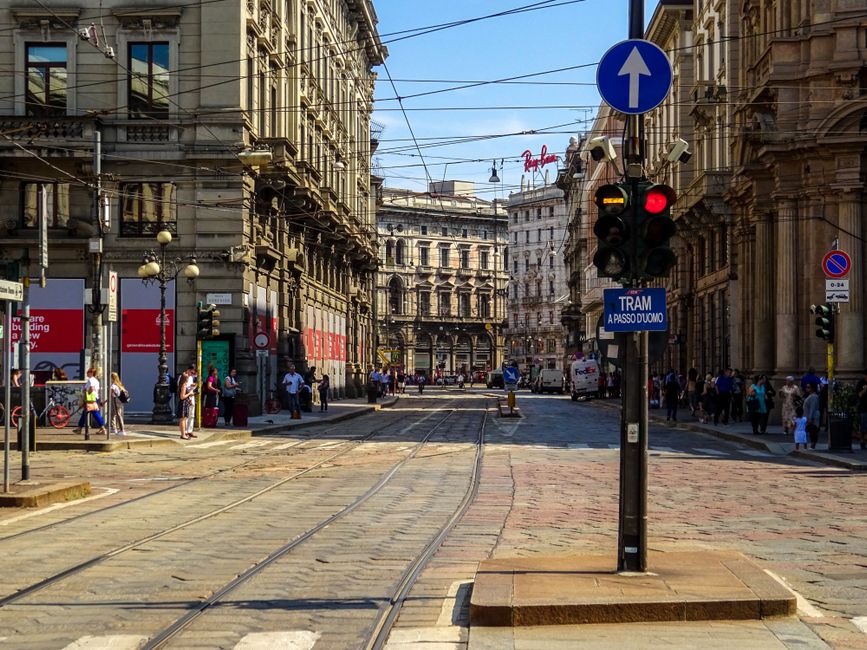
Milan's reputation as Italy's economic engine comes with a cost. A 2024 survey by the Lombardy Regional Health Authority found that 38% of Milan residents report moderate to high stress levels, with workplace pressure and urban pace cited as primary triggers. But science offers practical solutions tailored to how we actually live here.
The evidence is clear: nature exposure reduces cortisol measurably. For Milanese, this doesn't require escaping the city. Sempione Park—just 15 minutes from Duomo by tram—offers what researchers call "micro-restorative" benefits. A 20-minute walk among its planes and chestnuts, twice weekly, has been shown to lower stress markers as effectively as formal meditation for urban populations. The park's free access means no financial barrier to this proven intervention.
Our aperitivo culture, often dismissed as mere socialising, is actually evidence-backed stress management. Regular social connection reduces anxiety by up to 30%, according to neuroscience. The ritual of meeting friends at venues along the Navigli at 6pm—a practice deeply embedded here—serves a genuine neurological function. The key: consistency matters more than intensity. Weekly gatherings outperform occasional binges.
Cycling the Navigli towpaths works on multiple levels. Exercise reduces stress hormones within 15 minutes, but the repetitive, rhythmic motion of cycling also engages the parasympathetic nervous system in ways high-intensity gym sessions don't. Milan's flat terrain and dedicated cycle lanes make this accessible; a basic city bike rental costs €30 monthly through the public Bikemi scheme.
Mindfulness-based stress reduction (MBSR) shows robust clinical evidence, yet local implementation matters. The Fondazione IRCCS Cà Granda in Maggiore offers MBSR programmes (€180 for eight weeks) embedded within Milan's healthcare system—more affordable and culturally appropriate than private apps promising instant results.
The Milanese tendency toward efficiency can undermine wellness. Research suggests that "time pressure" itself activates stress responses independent of actual demands. Counterintuitively, scheduling 15 minutes of deliberate slowness—sitting in Parco Sempione without checking your phone, or lingering over espresso—provides measurable physiological benefit.
Finally, sleep quality suffers from Milan's urban noise. Evidence supports noise-cancelling technology (€80–200) and maintaining consistent sleep timing more reliably than supplements. Combined with limiting work emails after 8pm, this dual approach addresses the city's specific stressors.
These aren't trendy hacks. They're evidence-based practices adapted to Milan's particular rhythm. The research is consistent: small, local, repeated actions beat grand gestures every time.
This article was compiled by AI and screened before publishing. See our editorial standards.
How does this story make you feel?
Spread the word
About this article
Published by The Daily Milan
Daily brief
Free, in your inbox before 7am. Weekdays.
More in Wellness