The Science Behind Why Milan's Older Adults Are Moving More — And Living Better
New research on mobility, muscle ageing and social movement is reshaping how doctors and fitness instructors think about active ageing in Italy's design capital.
New research on mobility, muscle ageing and social movement is reshaping how doctors and fitness instructors think about active ageing in Italy's design capital.

Researchers have a clear message for anyone over 60: sitting still is the single most measurable accelerant of physical decline. A landmark 2025 meta-analysis published in The Lancet Healthy Longevity, drawing on data from 57,000 adults across 14 European countries, found that adults who maintained moderate daily movement — walking, cycling, structured stretching — showed a 34 percent lower rate of mobility-related hospital admissions than sedentary peers by age 75. Italy, with one of the oldest median population ages in the European Union at 48.4 years, sits right at the centre of this debate.
That figure lands with particular weight in Milan, a city where the over-65 demographic now represents roughly 23 percent of the municipal population according to ISTAT's 2025 demographic report. The city's public health authority, the ASST Fatebenefratelli Sacco, has been quietly piloting structured mobility programmes out of neighbourhood clinics since early 2025, targeting the Municipio 7 and Municipio 8 districts in the northwest — areas with high concentrations of retired residents and good green space access.
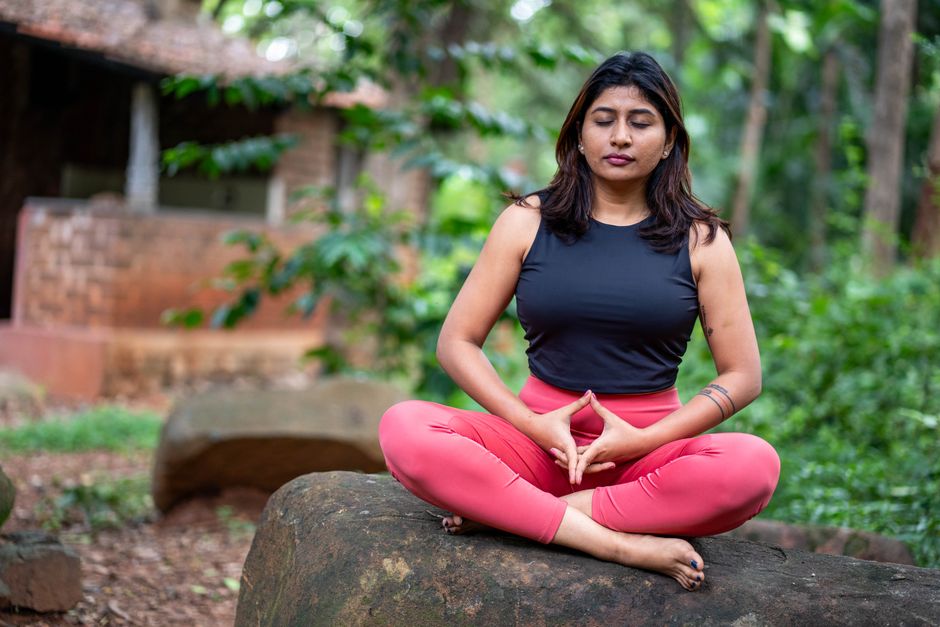
The science here has moved well past the vague directive to "stay active." Researchers now distinguish between three distinct physical capacities that degrade with age at different rates: cardiovascular endurance, neuromuscular coordination, and what exercise physiologists call "functional strength" — the kind needed to rise from a chair, carry groceries, or recover balance after a stumble. Studies from the University of Milan's Department of Biomedical Sciences for Health, located on Via Mangiagalli, show that neuromuscular coordination deteriorates fastest after 65 and responds best to low-impact resistance training combined with balance-specific exercises. Tai chi, Nordic walking, and aqua gym programmes all score well on these metrics.
Proprioception — the body's internal sense of position and balance — is particularly critical. Falls remain the leading cause of injury-related hospitalisation in Italians over 70, costing the national health system an estimated €1.2 billion annually according to the Istituto Superiore di Sanità. Targeted balance training, practised consistently three times per week, can reduce fall incidence by up to 23 percent in adults over 65, according to a 2024 Cochrane Review update on fall prevention interventions.
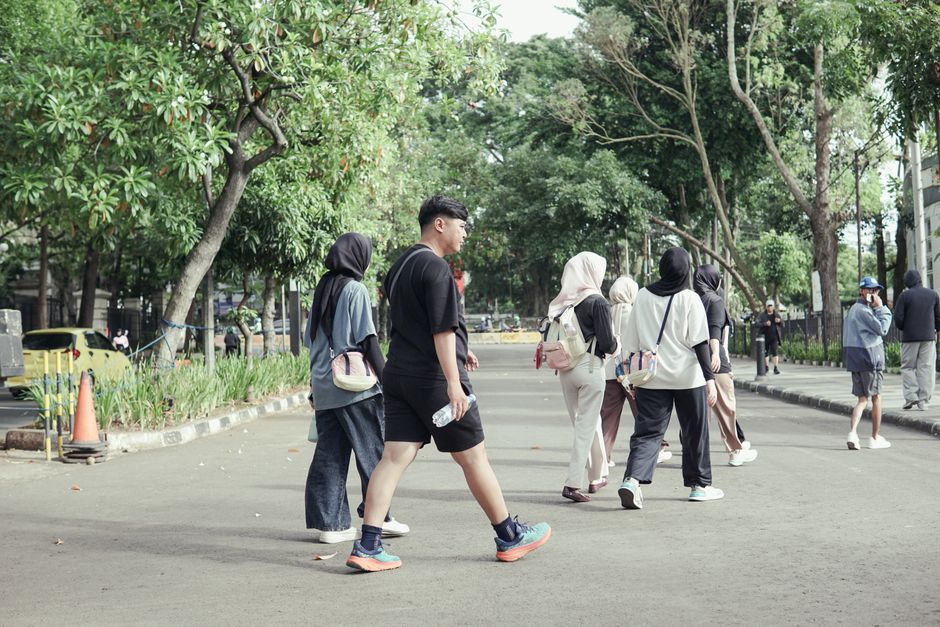
The good news is that the infrastructure exists. Parco Sempione — the 47-hectare green lung behind the Castello Sforzesco — now hosts a free Nordic walking group run through the Comune di Milano's Sport di Tutti programme every Tuesday and Thursday morning at 9:00. Attendance has doubled since March 2025. Along the Naviglio Grande, a dedicated over-60s cycling group organised through the ASD Ciclosfera cooperative meets on Sunday mornings at 8:30 from Alzaia Naviglio Grande 2, offering flat, manageable 15-kilometre loops. Participation is free; helmet rental costs €3.
Inside Milan's gym and wellness sector, the FEEL GOOD Milano centre on Corso Buenos Aires has introduced a specific "Active 60+" morning membership tier at €45 per month — below the standard rate — bundling pool access, a weekly supervised resistance class and a quarterly check-in with a kinesiologist. The CUS Milano athletic association, based at the Città Studi campus on Via Colombo, runs semester-long functional ageing programmes in partnership with the university's sports medicine faculty.
The aperitivo culture that defines Milanese social life turns out to have an unexpected wellness dimension here. Several of the Nordic walking groups finish near the Arco della Pace and move to a local bar for a low-alcohol spritz and conversation. Researchers studying social isolation in older adults have documented that group exercise with a defined social endpoint improves adherence rates significantly compared to solo routines — the movement sticks when the community does too.
Anyone considering joining a structured programme should have a baseline assessment at their local medico di base before starting resistance or balance training — a standard referral costs nothing under the Servizio Sanitario Nazionale. The city's Sportello Salute e Benessere offices, located in each of Milan's nine Municipi, can direct residents to subsidised programmes based on income and health status. The next intake for the Municipio 7 mobility pilot opens in September 2026.
How does this story make you feel?
Spread the word
About this article
Published by The Daily Milan
Daily brief
Free, in your inbox before 7am. Weekdays.
More in Wellness