How Milan Sleeps Better: The Daily Habits Locals Have Made Their Own
From Navigli evening walks to Sempione Park sunrise runs, Milanese residents are quietly rebuilding their sleep around the rhythms of the city itself.
From Navigli evening walks to Sempione Park sunrise runs, Milanese residents are quietly rebuilding their sleep around the rhythms of the city itself.

Sleep duration among Italian adults averages 6 hours and 45 minutes a night, well below the 8-hour benchmark recommended by the European Sleep Research Society — and urban Milanese consistently report some of the worst numbers in the country. But something is shifting. Across neighbourhoods from Porta Romana to Isola, a growing cohort of residents has started treating rest not as a passive afterthought but as a structured daily practice, stitched into the fabric of ordinary city life.
The timing matters. July in Milan brings heat that disrupts sleep architecture even in ground-floor apartments on Via Torino. Evening temperatures this week have held above 27°C after dark, making the kind of cool, dark bedroom that sleep clinicians prescribe genuinely difficult to achieve without deliberate preparation. Northern Italy's summer light also extends past 9 p.m., suppressing melatonin production later than the body expects. The combination is punishing for anyone relying on habit alone.
The aperitivo ritual, so embedded in Milanese identity that bars on Corso Como begin filling before 6:30 p.m., turns out to be a surprisingly useful anchor for sleep hygiene when managed correctly. The key is the cut-off. Residents in the Navigli district — anecdotally among the most wakeful in Milan, given the canal-side bar noise — have increasingly adopted a hard stop at 8 p.m. for alcohol, allowing roughly three hours before a midnight bedtime for the body to metabolise ethanol sufficiently to avoid the second-half sleep disruption that even one Negroni can cause.
Cycling home along the Navigli towpath rather than taking the M2 metro line is now a recognisable evening ritual for a segment of the professional class. The 15-minute ride from Naviglio Grande back toward Porta Genova lowers cortisol, drops core body temperature slightly through light exertion, and replaces the overstimulating scroll of a phone screen with genuine outdoor decompression. Local cycling co-operative BiciCittà, which operates out of a workshop near Via Vigevano, has recorded a 22 percent increase in memberships since January 2026, with new members citing sleep and stress as primary motivations.
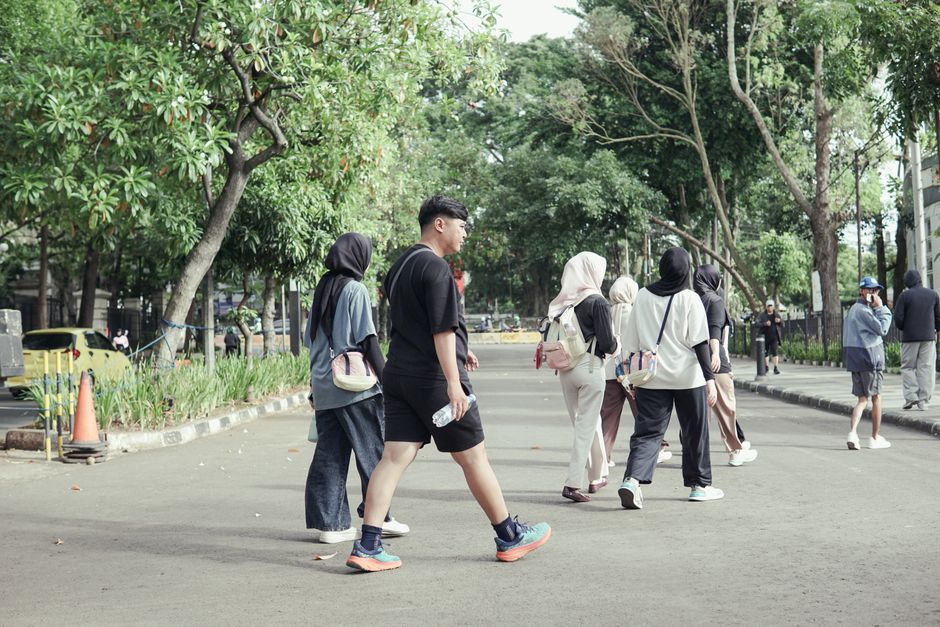
Sempione Park is the other anchor. The 47-hectare green space behind the Castello Sforzesco draws serious runners from 6 a.m., but the more quietly transformative use is the 7 a.m. walk — unhurried, screen-free, taken before the commute begins. Exercise physiologists regard morning outdoor light exposure as one of the most reliably effective tools for resetting circadian rhythm. Thirty minutes of natural light before 9 a.m. advances the sleep-wake cycle forward, making genuine tiredness arrive closer to 11 p.m. rather than 1 a.m.
Practical domestic changes have followed. Blackout blinds have become the single fastest-selling home product at the IKEA store on Viale Fulvio Testi in 2026, according to the store's June inventory data, with the MAJGULL roller blind — priced at €14.99 — among the top five items across all categories. Residents in the Isola neighbourhood, where pre-war apartment windows tend to face east, have driven disproportionate sales.
The Centro Medico Ambrosiano, a private wellness clinic on Via Visconti di Modrone, introduced a structured sleep coaching programme in March 2026. The eight-session course, priced at €380, uses cognitive behavioural therapy for insomnia protocols developed by the Italian Sleep Medicine Association. Uptake has outpaced expectations, with a waiting list now running to late September.
For those not inclined toward formal programmes, the evidence points to a simpler entry point: consistency. Sleeping and waking at the same time seven days a week — weekends included — is the intervention with the strongest supporting data, and it costs nothing. Milan's summer social calendar makes the weekend part genuinely difficult. The residents doing best are those who protect Friday and Saturday wake times above all else, treating the morning alarm not as punishment but as the load-bearing wall of the entire system. Pick a wake time, write it down, hold it for three weeks. The rest, clinicians say, tends to follow.
How does this story make you feel?
Spread the word
About this article
Published by The Daily Milan
Daily brief
Free, in your inbox before 7am. Weekdays.
More in Wellness