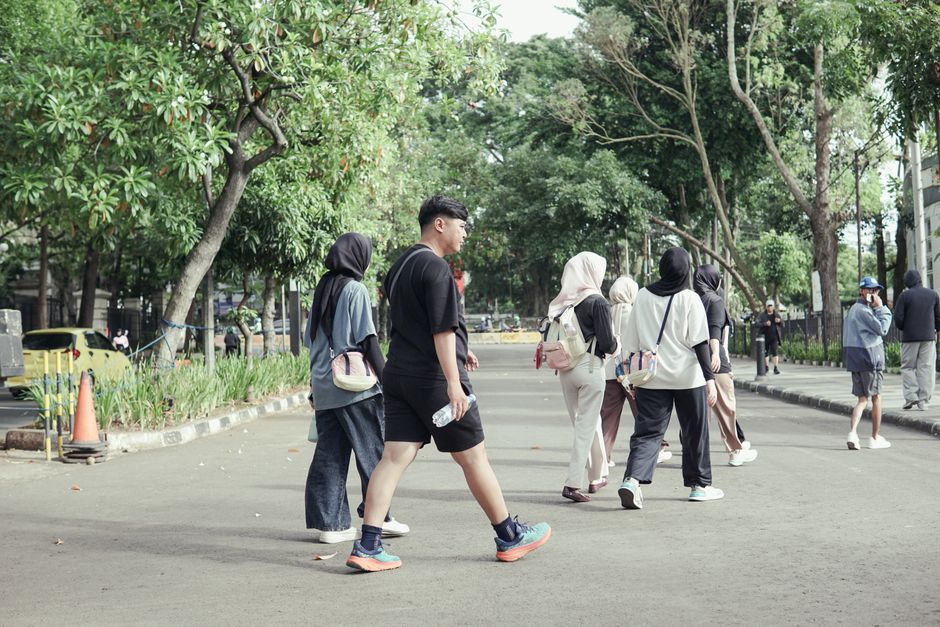
On any given Saturday morning, the gravel paths around Parco Sempione fill not just with joggers but with clusters of ten, fifteen, sometimes thirty people stretching, lunging, and sprinting together under the instruction of a trainer with a whistle. Group fitness in Milan is no longer a niche pursuit. It has become one of the defining wellness habits of the city's post-pandemic decade, pulling in everyone from university students to retirees from the Isola neighbourhood.
The timing matters. Europe is grappling with a well-documented mental health aftershock from years of isolation, and Italian public health bodies have been pushing preventive wellness harder than at any point in the last generation. The Italian National Health Service, the Servizio Sanitario Nazionale, has increasingly encouraged GPs to issue activity prescriptions — formal recommendations for structured physical movement as a first-line response to mild anxiety and metabolic conditions. Community exercise slots directly into that framework, offering accountability and social contact that a solo treadmill session simply cannot replicate.
Where Milan Is Showing Up
Two organisations have done more than most to build this culture in the city. ASD Running Sempione, based just off Viale Byron near the park's northern entrance, runs free Saturday group runs every weekend at 8 a.m., drawing between 40 and 80 participants depending on the season. The club charges no membership fee for casual participants, though its racing programme costs around €60 annually. Across town, the Navigli Cycling Collective — an informal group operating out of a bike workshop on Via Corsico — organises Sunday morning rides along the canal towpaths toward Abbiategrasso, covering roughly 35 kilometres at a pace accessible to recreational riders. Both groups have waiting lists for guided weekday sessions, a sign of demand that would have been unthinkable five years ago.
Inside the city's gyms, the shift is equally visible. Functional training studios in the Porta Romana district have reported that group HIIT and circuit classes now account for more than 60 percent of bookings, versus roughly 35 percent in 2021, according to figures shared by the Lombardy Fitness Association in its March 2026 sector report. Drop-in class prices at mid-tier studios like those clustered around Corso di Porta Ticinese typically run between €12 and €18 per session, with monthly unlimited passes averaging €90 — competitive with comparable offerings in Barcelona or Berlin, and considerably cheaper than London equivalents.
The aperitivo culture that defines Milanese social life has found an unlikely partner here. Several fitness groups deliberately schedule their Sunday sessions to finish by noon, leaving participants free to move to nearby bars on Ripa di Porta Ticinese for the ritual late-morning Aperol or Campari. The exercise-to-aperitivo pipeline is partly tongue-in-cheek, but instructors say it is genuinely effective as a retention mechanism — people return because the social reward is immediate and tangible.
What to Expect If You Want to Join
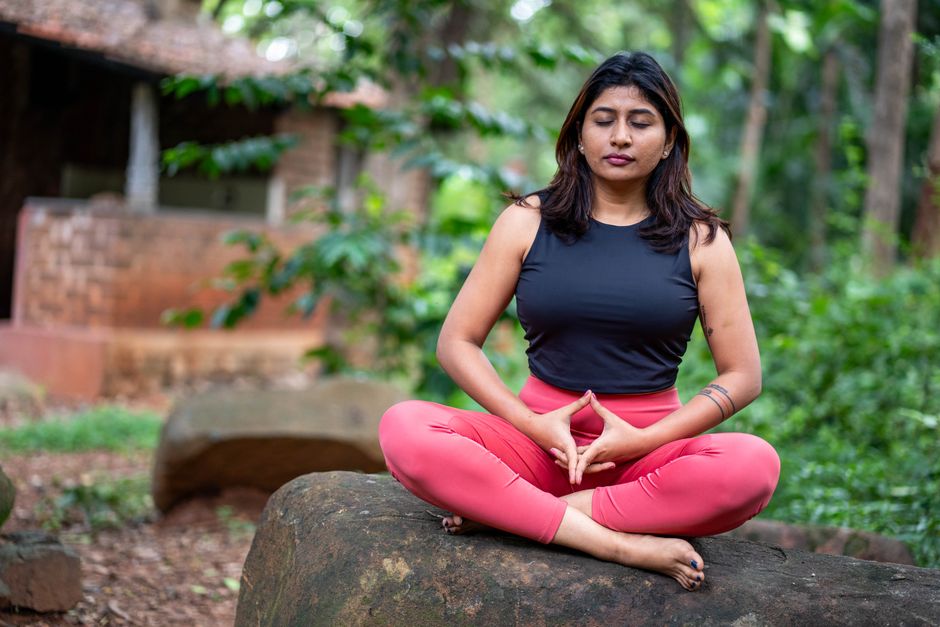
For residents looking to get involved, the entry points are straightforward. The city's Comune di Milano parks department maintains an updated calendar of free outdoor fitness events through its Sport nei Parchi programme, which runs from April through October and includes yoga, pilates, and functional training at seven parks including Parco Solari and Parco Forlanini. Sessions are free, require no prior booking, and are led by certified instructors contracted by the municipality.
For something more structured, studios around the Brera and Moscova neighbourhoods have introduced trial months at reduced rates — typically €40 for four weeks — aimed at converting casual participants into regulars. Several explicitly market their group classes as a social onboarding experience for people who have recently moved to the city.
The broader picture is one of a city recalibrating what wellness actually means. Solo fitness never disappears, but Milan in 2026 is making a clear cultural argument: exercising in company is not the compromise option. It might be the better one. Anyone considering a new fitness regime should, of course, check in with their medico di base before starting, particularly for high-intensity programmes.