Italians sleep less than almost any other population in Western Europe. The average adult in Milan logs roughly 6 hours and 20 minutes per night, according to data published by the Istituto Superiore di Sanità in its 2025 national lifestyle survey — well short of the 7-to-9-hour window recommended by the European Sleep Research Society. That gap is not trivial. It sits at the centre of a widening debate among wellness practitioners, urban planners and everyday Milanese trying to square a famously sociable evening culture with an increasingly loud global conversation about rest.
The timing matters. Across Europe and North America, sleep has become the defining wellness preoccupation of the mid-2020s. Research on melatonin supplementation, cortisol cycles and the hormonal mechanics of recovery has moved from specialist journals into mainstream health media at speed. Pharmacies on Corso Buenos Aires now stock six or seven competing melatonin formulations where three years ago there were one or two, and prices range from €8 for a basic 1mg tablet strip to €34 for slow-release combination products marketed at shift workers and frequent flyers. The science underlying all of them — that light exposure, meal timing and social schedules directly govern sleep quality — lands awkwardly in a city where dinner rarely starts before 8:30 p.m. and a spritz at a Navigli canal bar at 10 p.m. on a Thursday is not a late night, it is a Tuesday.
What the Global Trend Actually Says
Sleep medicine researchers have spent the past two years sharpening their understanding of chronobiology — the study of how biological clocks govern everything from mood to cardiovascular risk. The consensus, reinforced by a large 2024 meta-analysis from the University of Groningen covering 74,000 adults across 14 countries, is that social jetlag — the mismatch between your body clock and your social schedule — raises the risk of metabolic syndrome by around 27 percent. Northern European cities, particularly those in Scandinavia and the Netherlands, have responded with workplace wellness policies pushing later start times and subsidised sleep-tracking programmes. In Milan, formal corporate uptake has been slower, though some multinationals headquartered in the Porta Nuova business district have introduced flexible 9:30 a.m. start times under hybrid-work arrangements that became permanent after 2022.
The global luxury wellness sector has gone further. Clinics in London and Zurich now offer what the industry calls "sleep concierge" programmes — personalised protocols combining light therapy, magnesium IV drips and cognitive behavioural therapy for insomnia, at prices exceeding €3,000 for a six-week course. Milan has its own version, quieter and less aggressively marketed. The Centro Diagnostico Italiano on Via Saint Bon offers a structured CBT-I programme — cognitive behavioural therapy specifically for insomnia — through the national health system on referral, effectively free for residents with a tessera sanitaria, making it more accessible than comparable services in most comparable European capitals.
How Milan Is Adapting on the Ground
The neighbourhood picture is uneven. In Brera and the streets around Via Fiori Chiari, independent wellness studios have multiplied since 2023. Spaces like Rituals on Corso Garibaldi and several smaller yoga and breathwork studios in the Isola district now run specific "sleep preparation" evening classes — typically 75-minute sessions combining yin yoga and guided body-scan meditation — priced between €18 and €25 per drop-in. Instructors work with principles drawn directly from the same hormonal research circulating in global wellness media: cooling the body, dimming artificial light, front-loading social activity earlier in the evening.
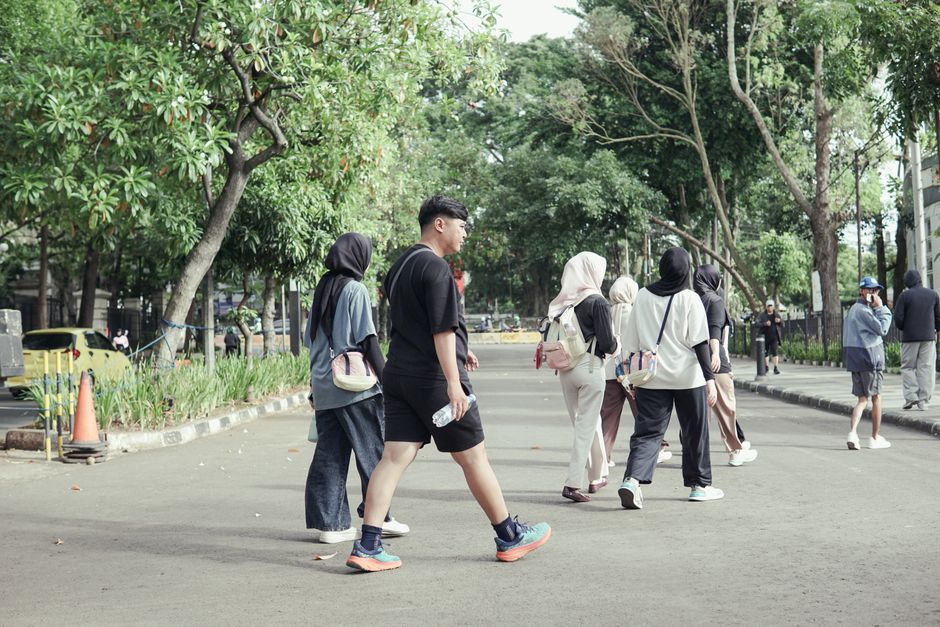
Sempione Park has quietly become part of this shift too. Early-morning runners on the paths near the Arco della Pace have grown noticeably more numerous since 2024, a pattern the Comune di Milano's Sport e Benessere office attributed in its spring 2026 report to a rise in residents restructuring their days around earlier wake times — which, paradoxically, requires earlier sleep. The aperitivo culture is not disappearing. It is, slowly, migrating. Some Navigli bars have reported stronger trade between 6 and 8 p.m. than at 10 p.m. for the first time in memory, suggesting a generational shuffle in when social rituals happen rather than whether they happen at all.
The practical advice from sleep specialists at institutions like Humanitas Research Hospital in Rozzano is consistent and unglamorous: fixed wake times matter more than fixed bedtimes, evening screen use suppresses melatonin production for up to 90 minutes, and caffeine consumed after 2 p.m. measurably disrupts deep sleep stages in most adults. None of that requires a €3,000 programme. It does require a candid look at the clock the next time the second Aperol Spritz arrives at 10:45 p.m. on a work night. Anyone with persistent sleep difficulties should speak with their medico di base — the GP accessible through the SSN — before reaching for supplements or self-diagnosing a disorder.