Researchers at the Università degli Studi di Milano published findings earlier this year confirming what geriatric specialists have argued for over a decade: consistent moderate movement — not rest, not medication alone — is the single most effective intervention for preserving functional independence in adults over 65. The study, which tracked 340 participants across three years, found that those who walked at least 7,000 steps daily maintained significantly better grip strength, balance scores and cognitive function than sedentary peers of the same age.
The timing matters. Italy now has one of the oldest populations in Europe. ISTAT data from 2025 puts 23.8 percent of Italians above the age of 65, and Lombardia — with Milan as its capital — carries a disproportionate share of that demographic weight. The region's public health system, the SSN, is already managing the downstream costs: falls among older adults alone account for roughly €1.4 billion in annual hospital expenditure nationwide, according to the Istituto Superiore di Sanità.
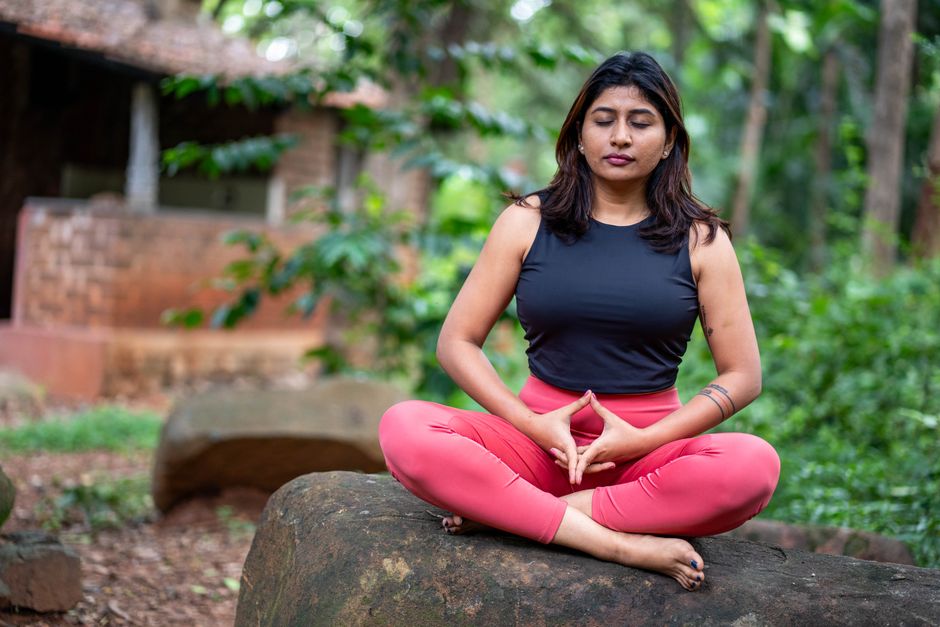
What the science is clarifying is not simply that movement helps. It is specifying which kinds of movement, at what intensity, and why the mechanisms differ by age. After 60, sarcopenia — the gradual loss of muscle mass — accelerates noticeably. Resistance training two to three times per week has been shown in multiple peer-reviewed trials, including a 2024 meta-analysis published in The Lancet Healthy Longevity, to slow sarcopenic decline by up to 30 percent over 12 months. Balance-specific exercise — tai chi, proprioceptive training on unstable surfaces — reduces fall risk by a statistically significant margin, somewhere between 23 and 34 percent depending on the cohort studied.
Where Milan Is Putting the Science to Work
Milan is not waiting for the evidence to become perfect before acting on it. The Comune di Milano's Sport e Benessere programme, running since 2022 out of the Palazzo Marino administration, funds subsidised group exercise sessions at 14 civic centres across the city. The Centro Sociale Anziani in the Porta Venezia neighbourhood runs twice-weekly Nordic walking groups that depart from Viale Piave — free of charge for residents holding a tessera senior, which costs €12 annually. Attendance has grown by 40 percent since January 2025.
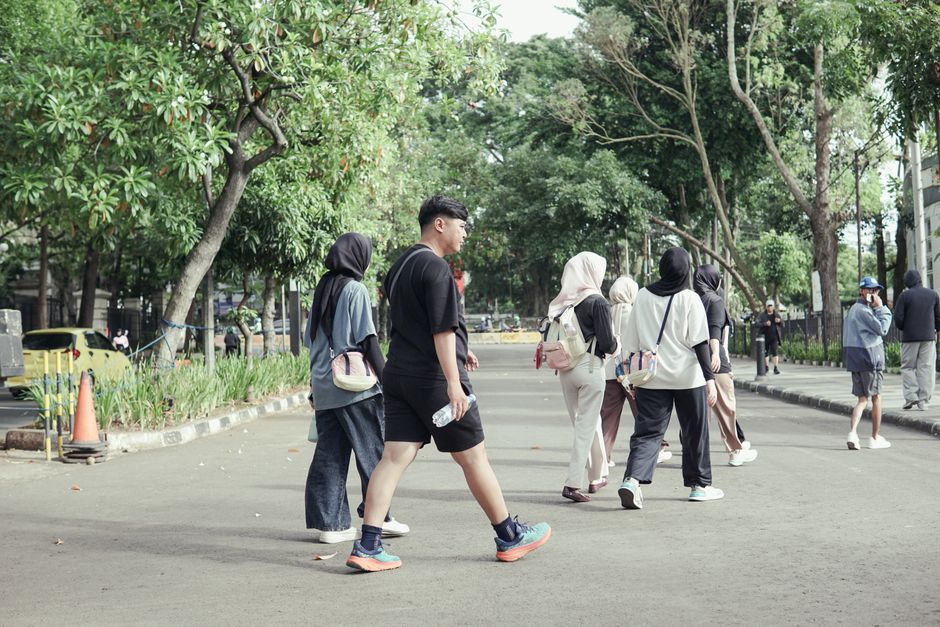
Parco Sempione remains the most visible laboratory for active ageing in the city. On weekday mornings, the park's paths near the Arco della Pace fill with older walkers, many of them enrolled in the UTE — Università della Terza Età — whose Milan chapter organises structured outdoor movement sessions on Tuesdays and Thursdays from 9 a.m. The Navigli district has seen similar activation along the Alzaia Naviglio Grande, where the cycling infrastructure improvements completed in March 2025 have made low-impact riding accessible to people who previously found traffic too hostile.
What the Body Does — and Does Not — Need
The physiology here is worth understanding. After 65, cartilage repair slows, but the synovial fluid that lubricates joints is produced in response to movement, not despite it. Immobility is, counterintuitively, harder on joints than gentle regular use. Aerobic capacity — VO2 max — declines roughly one percent per year after 50 in sedentary individuals, but that rate roughly halves with consistent cardiorespiratory exercise. The brain benefits are equally well-documented: a 2023 study from the University of Geneva found hippocampal volume — a key marker of memory function — was measurably larger in adults over 70 who exercised aerobically three or more times per week.
Heat adds a layer of complexity this July. With temperatures in Milan reaching 36 degrees Celsius earlier this week, the ATS Città Metropolitana di Milano has issued updated guidance recommending outdoor physical activity before 9 a.m. or after 7 p.m. for older adults. Hydration thresholds shift with age — the thirst mechanism becomes less reliable, meaning planned fluid intake matters more than waiting to feel thirsty.
For anyone over 65 in Milan looking to start, the practical first step is a visit to the Medico di Medicina Generale — the GP — for a functional assessment before beginning any new programme. From there, the UTE, the civic centre network, and Parco Sempione offer entry points at almost every fitness level. The science is clear enough. The infrastructure, for once, is catching up.