Older adults who engage in at least 150 minutes of moderate physical activity per week show measurably slower rates of sarcopenia — the age-related muscle loss that strips independence faster than almost any other biological process. That finding, reinforced by a 2025 meta-analysis published in The Lancet Healthy Longevity covering more than 40,000 participants across 18 countries, is now driving a quiet but serious shift in how Italian public health programs approach ageing. Milan is at the centre of it.
The timing matters. Italy has one of the oldest population profiles in Europe — roughly 23 percent of the national population is over 65, according to ISTAT data from 2025. In Lombardy, that figure edges higher. Healthcare planners at ASST Fatebenefratelli Sacco, one of the region's major hospital networks, have spent the last two years integrating evidence-based mobility protocols into their outpatient geriatric services, moving away from the old model where exercise was an afterthought after treatment rather than a tool woven into it.
What the Research Actually Says
Sarcopenia is not simply about weak legs. Loss of skeletal muscle mass accelerates metabolic decline, increases fall risk, and correlates strongly with cognitive deterioration. A study from the University of Bologna published in early 2026 tracked 1,200 adults over 70 for three years and found that those who maintained regular resistance and aerobic training lost 34 percent less muscle mass than sedentary peers — and scored consistently higher on executive function tests. The mechanism involves both mitochondrial density and a hormone called irisin, released by contracting muscle tissue, which appears to cross the blood-brain barrier and support neuron health.
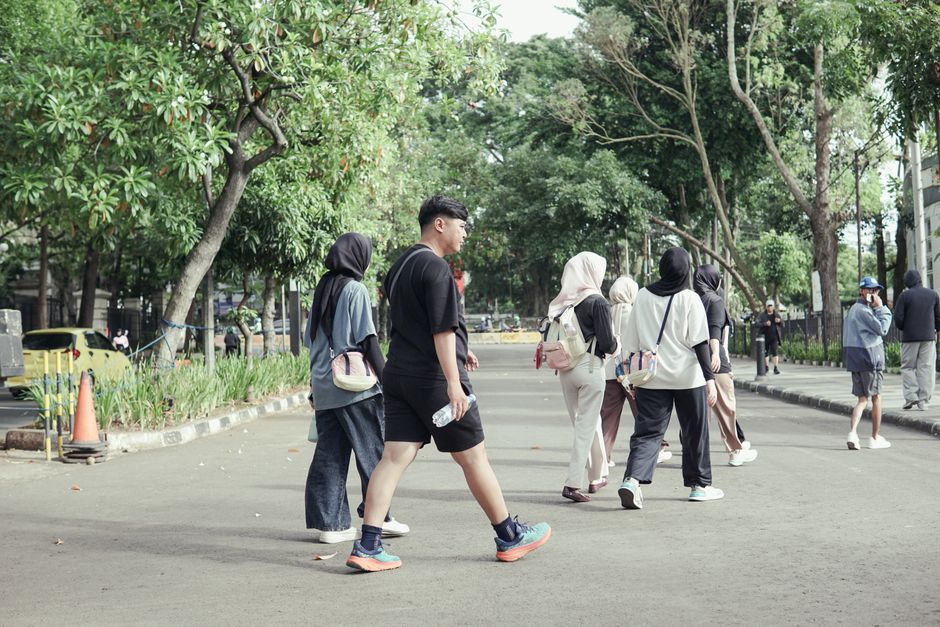
Crucially, the research shows the threshold for benefit is lower than most people assume. Walking briskly for 30 minutes five days a week produces measurable change in inflammatory markers within six weeks. You do not need a gym. You need consistency and, according to the Bologna team, some social context around the activity — group exercise outperformed solo exercise on adherence metrics by a significant margin.
Where Milan's Seniors Are Already Doing This
Parco Sempione, the 47-hectare green space behind the Castello Sforzesco, hosts a free city-run program called Ginnastica Dolce three mornings a week throughout summer. Funded through the Comune di Milano's Welfare department, the sessions are led by qualified movement instructors and draw regular cohorts of adults over 60 from the Magenta and Arona neighbourhoods. The program has run since 2019 and expanded post-pandemic after participation surveys showed sustained demand.
Along the Navigli canal network, the cycling infrastructure that connects the Darsena with the southern city districts has become a practical mobility tool for older residents. The Ciclofficina Stecca, a community bike cooperative near Porta Garibaldi, runs subsidised e-bike hire and maintenance clinics specifically aimed at over-65s — monthly membership costs €15 and includes a basic biomechanical fitting session. E-bikes matter here because the research is clear that perceived exertion barriers drop dramatically when pedal assistance is available, meaning people ride longer and more often.
The aperitivo culture that defines Milanese social life also intersects with the science in a way health researchers increasingly take seriously. The 2025 Lancet analysis found that social engagement is an independent predictor of physical activity adherence. The ritual of meeting friends at a bar on Corso di Porta Ticinese at 6 p.m. is not merely pleasant — it creates accountability structures that formal exercise programs struggle to replicate artificially.
For anyone over 60 thinking about where to start, the Comune di Milano's Centro Servizi per Anziani network, which operates out of 23 district offices across the city, offers free initial assessments and can direct residents toward appropriate programs. The key word from the research is start. The biological benefits of movement in later life are not reserved for people who were always athletic. The science is consistent on that point: it is genuinely never too late. Speak with your medico di base before beginning any new exercise regimen, particularly if you have cardiovascular or orthopaedic concerns.