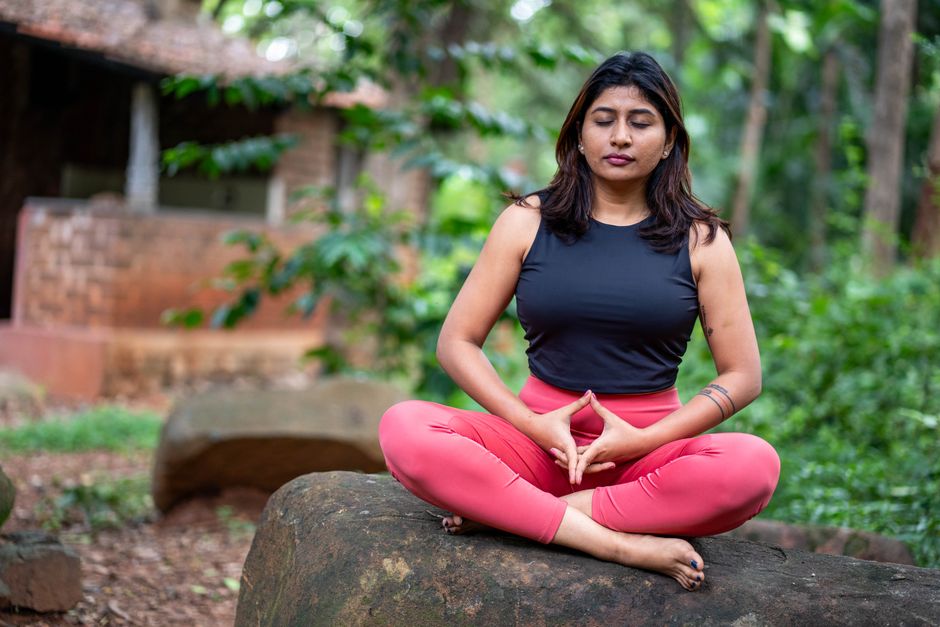
Research published last month in the journal Nature Neuroscience reveals that regular mindfulness meditation — even just ten minutes per day — can reduce volume in the brain’s amygdala, the region responsible for stress and fear response. At Università degli Studi di Milano, neuroscientist Martina Romano says local clinics are tracking similar results in Milanese patients who practise guided meditation.
These findings matter in 2026, after the city registered its hottest June in decades and ER admissions for heat-related stress spiked by 18% (Agenzia di Tutela della Salute Milano, June 2026). Daily routines feel stretched, and many Milanesi are looking for ways to steady their nerves, restore energy, and focus. Mindfulness, once an offbeat idea, is fast becoming a routine part of healthcare and wellness in central Milan.
Meditation in Milan: From Parco Sempione to Navigli Canals
On weekday mornings, a growing cluster of locals gather with yoga mats under the acacia trees of Parco Sempione, just 200 metres from Arco della Pace. Nearby, the Navigli Mindfulness Collective meets for evening “silent cycles” along Via Alzaia Naviglio Grande. Demand for structured classes is rising. Centro Mindfulness Milano, located on Via Torino, is now offering a 5-week beginner’s program (€80) that books out nearly every month. “People recognise that Milan’s pace is intense,” explains program director Lucia Moretti. “Being able to pause and retrain the mind is as important as any gym workout.”
Meditation apps are part of the toolkit too. Milan-based startup MindMio launched earlier this year and boasts more than 18,000 users across the Lombardy region. For some, however, physical spaces are still essential. Fondazione Prada recently hosted a public workshop on mindfulness and art, with neuroscientists from Ospedale San Raffaele demonstrating how brain scans change during deep focus practices.
What Mindfulness Really Does in the Brain
The data supporting mindfulness is quietly robust. According to a 2025 meta-analysis led by Sapienza University of Rome, people who practised mindfulness had an 11% reduction in self-reported anxiety scores, and functional MRI scans found increased connectivity between the prefrontal cortex (attention control) and the default mode network (self-awareness and daydreaming). Local practitioners at Humanitas Research Hospital confirm that measurable changes appear after as little as four weeks of consistent meditation.
Even Milanese employers are paying attention. At UniCredit headquarters in Porta Nuova, weekly mindfulness sessions are now part of HR’s official stress management resources. Participation has doubled since last autumn, according to the bank’s internal wellness reports. For most residents, though, the science is less about percentages and more about practical results: steadier energy, better sleep, and a greater sense of presence during a fast-paced Milanese day.
As temperatures climb and Milan’s rhythms intensify for summer, experts point out that mindfulness is not a panacea — serious anxiety or depression still requires medical care. But as a science-backed tool, it’s increasingly accessible across the city. Beginners can try a free drop-in session at Casa della Psicologia on Piazza Castello or join a guided meditation at Biblioteca Sormani on Tuesday evenings. For those simply starting at home, neuroscientists recommend turning off all notifications, setting a timer for ten minutes, and bringing gentle attention to each inhalation — giving the brain’s stress centre, if only briefly, the chance to stand down.