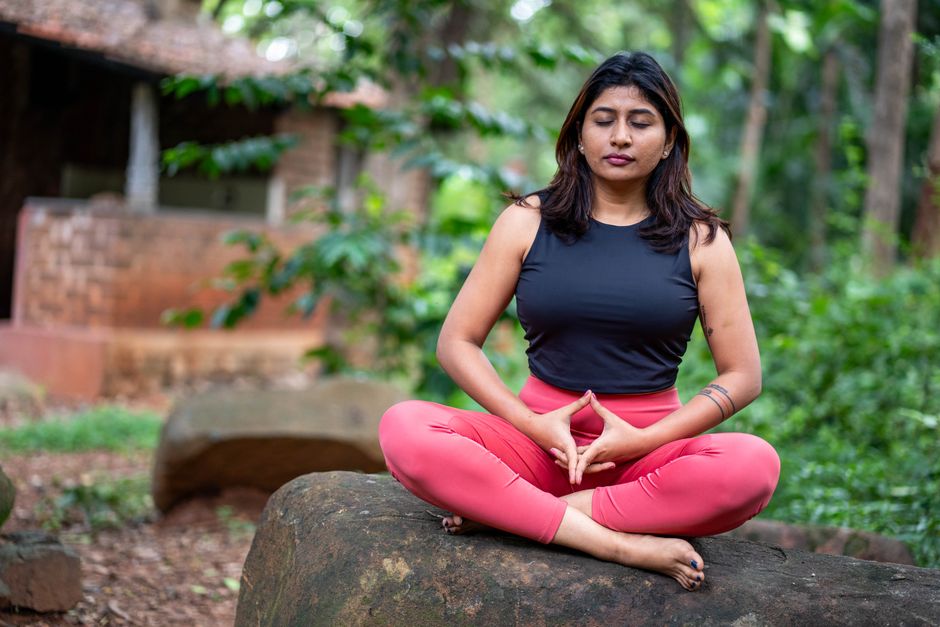
Milan is meditating. Slowly, sometimes reluctantly, but it's happening. Across the city's 1.4 million residents, demand for structured stress management and mindfulness programmes has climbed roughly 34 percent since 2023, according to figures published by the Lombardia Regional Health Authority in its spring 2026 wellness report. That growth mirrors a pattern playing out in London, Berlin and São Paulo — but how Milan is getting there looks nothing like anywhere else.
The timing matters. July 2026 arrives after a stretch of prolonged heat across southern Europe that climatologists have described as the new normal. Heat is a documented stressor: a 2025 meta-analysis in The Lancet Psychiatry found that ambient temperatures above 35°C correlate with a 7 percent rise in anxiety-related emergency presentations in urban populations. Milan hit 37°C on five consecutive days last month. The body counts that as trauma, even if the mind tries to ignore it.
What Milan Already Gets Right
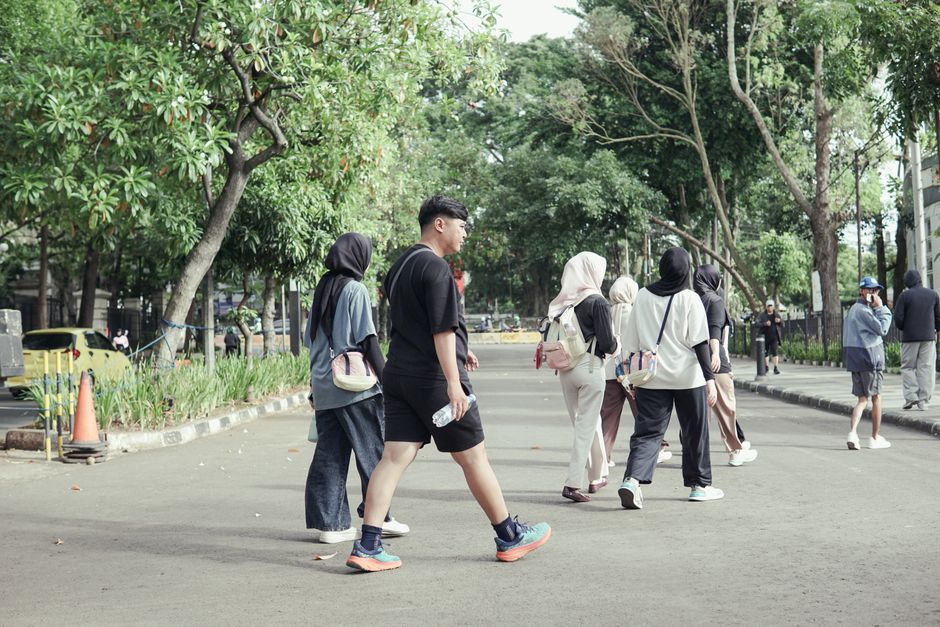
The city has structural advantages that wellness consultants in Frankfurt or Chicago would envy. Sempione Park, a 47-hectare green corridor behind the Castello Sforzesco in the first municipio, runs informal guided morning walks every Tuesday and Thursday through the Parco Sempione Wellbeing Initiative, a programme launched in partnership with the Comune di Milano in March 2025. Participation costs nothing. Attendance has doubled since September.
Along the Navigli canals — specifically the towpaths flanking the Naviglio Grande between via Valenza and the Darsena basin — a cycling culture that functions as de facto active meditation has embedded itself into the commute for an estimated 18,000 daily riders. Urban cycling's mental health credentials are well established: a University of Copenhagen study from 2024 measured a 21 percent reduction in self-reported stress among regular cycle commuters compared to car users on equivalent routes.
Then there is the aperitivo. It is easy to dismiss it as alcohol marketing dressed up as sociology, but the social bonding function of the ritual — a fixed, face-to-face gathering with low financial barriers, typically €10 to €14 for a Campari spritz and buffet at places like Bar Basso on via Plinio or any of the dozen joints along Corso Como — genuinely aligns with what the World Health Organization identifies as a primary protective factor against chronic stress: regular, in-person social connection. Milan was practising that long before wellness influencers discovered it.
Where the Gaps Are
Structured mindfulness is a different matter. The global industry, valued at €69 billion in 2025 by the Global Wellness Institute, has penetrated Milan unevenly. Apps like Headspace and Calm have Italian-language versions but remain predominantly anglophone products with limited cultural adaptation. Centro Mindfulness Milano, based on via Tortona in the Zona Tortona design district, runs eight-week Mindfulness-Based Stress Reduction courses — the internationally validated MBSR protocol developed at the University of Massachusetts — for €380 per participant. The centre reported its first waiting list in January 2026. That is a meaningful data point: demand now formally exceeds supply.
Italy's national public health system, the SSN, covers some psychological support through community mental health centres called Centri di Salute Mentale, with at least six operating across Milan's nine municipii. But waiting times for non-urgent referrals can stretch to four months in the city centre. Private therapy in Milan averages €90 to €130 per session, placing it out of reach for many workers in the gig economy that dominates the city's creative and logistics sectors.
The practical upshot for anyone feeling the squeeze this summer: start with what is free. The Tuesday morning walk in Sempione Park costs nothing and leaves from the fountain near the Arco della Pace at 7:30 a.m. The Darsena area at dawn, before the heat builds, is as close to a secular contemplative space as the city offers. If you need more structured support, your medico di base — your GP under the SSN — can issue a referral to a Centro di Salute Mentale without any upfront cost. And if a professional mindfulness course is on the table, the MBSR programmes at certified centres are the ones with the clinical evidence behind them. Everything else is lifestyle. Which, in Milan, has always been its own kind of medicine — but it works best alongside the real thing.