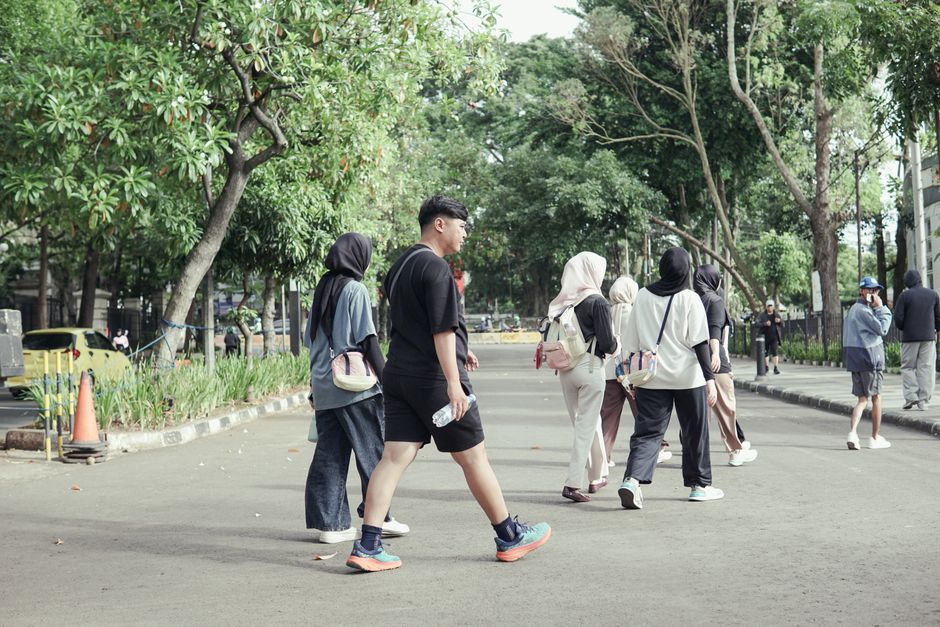
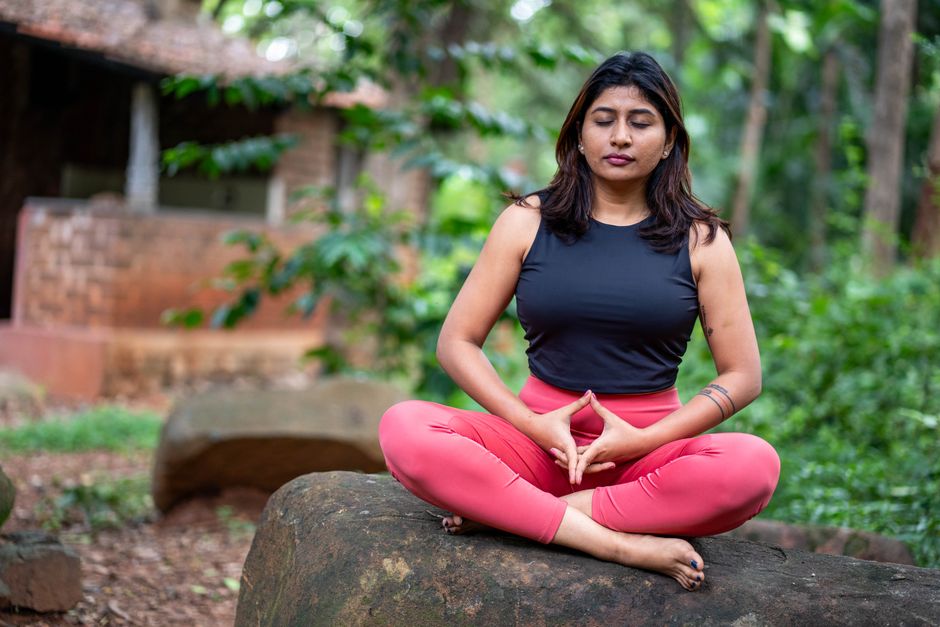
July heat has settled hard over Milan, and the city's gyms are reporting a surge in enquiries for yoga and meditation classes. The problem: a standard 75-minute vinyasa session at a private studio in Brera or Porta Romana routinely costs €20 to €30 a drop-in, pricing out exactly the residents who health researchers say need stress-reduction practice most. But a growing infrastructure of free and subsidised wellbeing programmes has quietly expanded across the city over the past two years, and most Milanese don't know it exists.
The timing matters. Europe's mental health bodies, including the WHO Regional Office in Copenhagen, reported in 2025 that chronic stress and burnout costs the EU economy roughly €620 billion annually in lost productivity and healthcare spending. Italy sits above the bloc average for reported work-related anxiety. Milan, as the country's financial engine, carries a disproportionate share of that burden. Against that backdrop, the Comune di Milano has made subsidised wellness access a quiet plank of its public health agenda, channelling funding through its network of Case di Comunità — community health houses — that the 2021 national PNRR reform plan seeded across every major Italian city.
Where to Go Right Now
Sempione Park is the most obvious starting point. Every Tuesday and Thursday morning at 7:30, the Associazione Yoga Milano Libero runs a free 60-minute hatha session on the grass beside the Arco della Pace. The programme, which launched in April 2024 and runs through September, draws 40 to 80 participants on a typical weekday. No booking required; bring your own mat. The same organisation holds a guided breathing and body-scan meditation on Saturday afternoons at 16:00, again free, near the Fontana dei Quattro Fiumi at the park's northern end.
For something more structured, the Casa di Comunità in Via Lessona 5, in the Niguarda neighbourhood, offers a ten-week mindfulness-based stress reduction course — modelled on Jon Kabat-Zinn's MBSR protocol — for €5 per session with a valid tessera sanitaria. The programme runs each autumn cohort from mid-September; registration opens 1 August through the Agenzia di Tutela della Salute (ATS) di Milano portal. A second location, the Casa di Comunità in Via Ricordi near Porta Venezia, runs fortnightly group relaxation sessions at no charge, facilitated by volunteer instructors trained through the Università degli Studi di Milano's psychology faculty.
The Navigli district has its own micro-ecosystem. CentroYoga Navigli on the Alzaia Naviglio Grande holds a pay-what-you-can yin yoga class every Monday evening at 19:30, with a suggested contribution of €5. The studio manager confirmed the sliding-scale policy began in January 2026 and has doubled class attendance. Several smaller collectives along the Darsena — the harbour basin at the junction of the two canals — stage free outdoor qi gong sessions on summer Sunday mornings, advertised weekly on the neighbourhood's public Facebook group.
Making the System Work for You
The SSN, Italy's national health service, also offers referral pathways that most residents ignore. A standard appointment with a medico di base costs nothing. Ask specifically for a referral to psicologia di base — a programme expanded nationally in 2023 that gives eligible patients up to eight subsidised psychological support sessions, which practitioners increasingly integrate with mindfulness techniques. Eligibility is income-linked, with ISEE thresholds reviewed annually.
Practically speaking, the single most useful move any resident can make this month is to register with ATS Milano's online sportello benessere — wellness desk — at ats-milano.it. The portal aggregates available community health appointments, including guided meditation and group yoga referrals, updated weekly. September marks the start of the next seasonal programme cycle, so the window between now and late August is the right moment to investigate options, secure registrations, and lock in a low-cost routine before the post-summer scramble begins. The aperitivo hour will still be there; your cortisol levels will thank you for spending one earlier hour of the day on something else entirely.