Milan's Best Meditation Classes, Groups and Apps Worth Trying Right Now
From Sempione Park sunrise sessions to Navigli neighbourhood studios, the city has more options for finding stillness than most Milanese realise.
From Sempione Park sunrise sessions to Navigli neighbourhood studios, the city has more options for finding stillness than most Milanese realise.

Demand for structured meditation instruction in Milan has jumped sharply in the past eighteen months. Studio operators across the city report waitlists stretching into September, and the Italian National Institute of Health noted in its 2025 annual report that mindfulness-based interventions are now formally recommended in four Lombardy public health districts as a complement to treatment for anxiety disorders. The shift is quiet but unmistakable.
The reasons are not complicated. Northern Italy's working culture is intense, commute times into the centro storico average just under fifty minutes each way according to 2024 Comune di Milano mobility data, and the post-pandemic surge in remote work has blurred the line between professional and private life in ways that were supposed to liberate people but often did the opposite. The old aperitivo ritual still anchors social life along the Navigli canals beautifully — but it is an antidote to stress, not a treatment for it.
The most established drop-in option remains Centro Shambhala Milano, based in a courtyard space off Via Vallazze in the Città Studi neighbourhood. The centre runs weekly introductory sessions on Wednesday evenings at 7:30 pm, costs €15 per class, and does not require prior experience. Its secular, technique-focused approach draws professionals in their thirties and forties who want practical instruction without doctrinal baggage. Monthly membership, which covers unlimited sessions, runs €85.
In the Brera district, Mindfulnessitalia operates an eight-week Mindfulness-Based Stress Reduction course — the standardised MBSR programme developed at the University of Massachusetts — delivered in Italian from a studio on Via Ciovasso. The full course costs €340 and the next cohort begins 14 September. The programme follows the internationally validated 2.5-hour weekly format and includes a full-day silent retreat in week six, usually held at a facility in the Brianza hills north of the city.
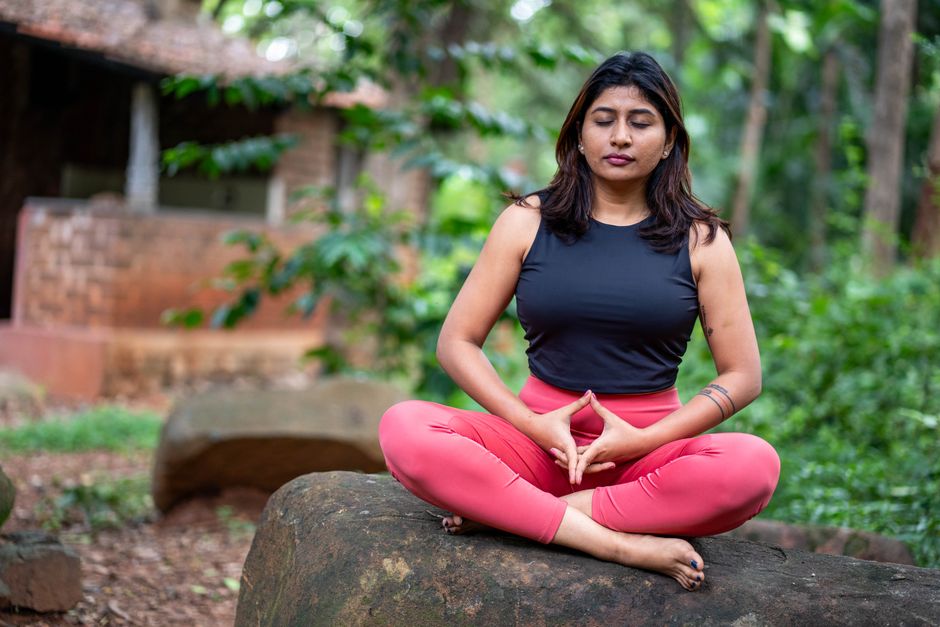
For people who prefer the outdoors, the informal group Meditazione al Parco Sempione meets every Saturday at 8:00 am near the Arco della Pace end of the park. There is no fee and no registration — participants simply show up. Numbers fluctuate between twelve and forty depending on weather. It runs year-round, including through July heat, and is one of the most accessible entry points in the city for anyone curious but noncommittal.
Yoga studios with a serious meditation component are also worth investigating. Orti di Via Padova, in the up-and-coming Loreto quarter, embeds thirty-minute guided meditation into its Sunday morning yin yoga sessions, priced at €18. The combination format suits people who find purely sitting-based practice difficult to sustain early on.
Italian users of mindfulness applications have options beyond the dominant English-language platforms. Meditazione Guidata, developed by a Milan-based startup, launched its updated 3.0 version in March 2026 and now carries over 200 audio tracks in Italian, including specific programmes for workplace stress and sleep onset. It costs €59.99 annually. The global market leader Headspace remains widely used here too, and its Italian-language library expanded to roughly 180 sessions last year.
The evidence base for regular practice is no longer fringe. A 2024 meta-analysis published in JAMA Internal Medicine, covering 47 randomised controlled trials and more than 3,500 participants, found that mindfulness meditation programmes produced moderate but consistent reductions in anxiety, depression and pain. Eight weeks of regular practice was the threshold at which measurable benefits became statistically reliable. That figure is worth holding onto: most people who try meditation once and abandon it do so within the first ten days.
For Milanese residents considering a starting point, the practical advice from practitioners in the city converges on one point: structure matters more than setting. Whether that means booking onto the Mindfulnessitalia MBSR course before September, downloading an Italian-language app and committing to ten minutes each morning, or simply turning up at Sempione Park on a Saturday — consistency across weeks, not intensity in a single session, is what the data supports. The city's public healthcare network, through the ASL Milano system, also offers free mindfulness workshops at selected community health centres; it is worth checking the ASL Milano website or asking a medico di base about current availability in your district.
How does this story make you feel?
Spread the word
About this article
Published by The Daily Milan
Daily brief
Free, in your inbox before 7am. Weekdays.
More in Wellness