The Science Behind Mindfulness: What Research Actually Says About Stress Relief in Modern Milan
New neuroscience is rewriting how we understand mindfulness and stress management — and Milan's wellness culture is catching up fast.
New neuroscience is rewriting how we understand mindfulness and stress management — and Milan's wellness culture is catching up fast.

Chronic stress is measurably shortening lives. A 2024 meta-analysis published in Nature Mental Health found that sustained psychological stress accelerates cellular aging by an average of 2.4 years, as measured through telomere shortening — the biological marker scientists use to track wear on the body at the chromosomal level. That figure has landed hard in clinical circles, and it is reshaping how practitioners from the San Raffaele Hospital on Via Olgettina to neighbourhood GPs across the Navigli district are framing stress management conversations with patients.
The timing matters. July 2026 has delivered Europe an oppressive heat sequence, and urban populations — Milan included — are experiencing what epidemiologists call a compounding stress load: physiological heat strain layered on top of existing workplace and financial pressures. The Italian National Institute of Health (Istituto Superiore di Sanità) reported in its 2025 annual survey that 38 percent of Italian adults aged 25 to 54 described their daily stress levels as "high" or "very high," up from 29 percent in 2019. Milan, as the country's financial and commercial engine, consistently skews above the national average.
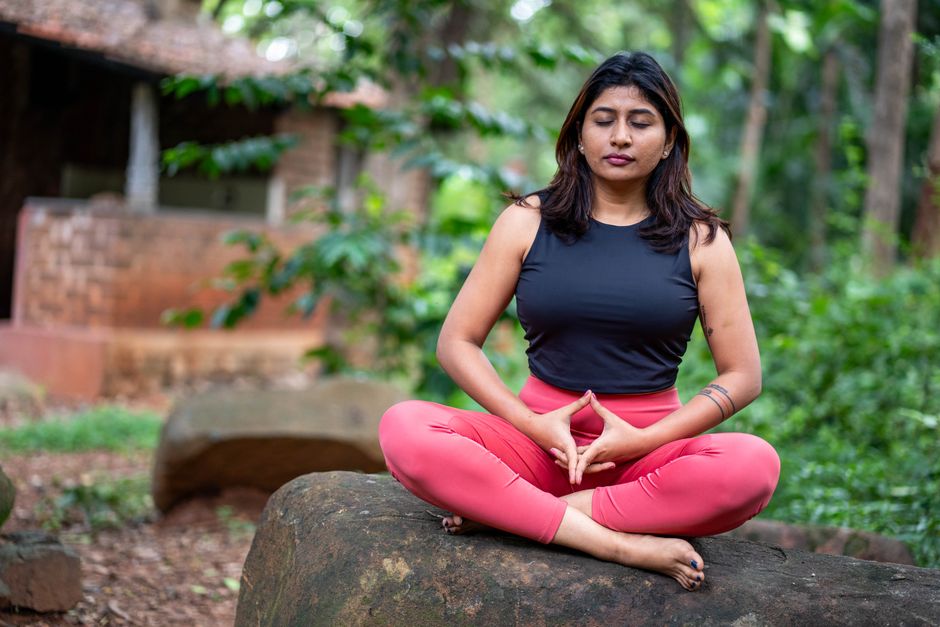
Mindfulness-based interventions have accumulated a serious evidence base over the past decade, moving well beyond the self-help shelves. The landmark work comes from the University of Massachusetts Medical School, whose Mindfulness-Based Stress Reduction (MBSR) program — an eight-week structured course — has now been tested in over 200 randomised controlled trials. The consistent finding: MBSR reduces self-reported anxiety scores by roughly 30 to 40 percent and demonstrably lowers cortisol, the primary stress hormone, in saliva samples taken before and after the program.
What makes the newer research compelling is the neuroimaging data. Studies using functional MRI scans show that eight weeks of regular mindfulness practice physically thickens the prefrontal cortex — the brain region governing emotional regulation and rational decision-making — while reducing grey matter density in the amygdala, the structure most associated with fear and acute stress response. These are structural changes, not mood fluctuations. The brain, the research confirms, is genuinely plastic well into adulthood.
Cognitive Behavioural Therapy (CBT), long the gold standard for stress and anxiety treatment within Italy's Servizio Sanitario Nazionale (SSN), is increasingly being combined with mindfulness techniques in what clinicians now call MBCT — Mindfulness-Based Cognitive Therapy. The Ospedale Niguarda in the Niguarda neighbourhood, one of Milan's largest public hospitals, has been running an accredited MBCT outpatient group since 2023, with sessions held every Tuesday evening and a waiting list that currently runs to approximately six weeks.
Outside the hospital system, the city has developed a layered ecosystem of evidence-informed options. The Centro Mindfulness Milano, based on Corso Buenos Aires, offers MBSR courses following the original UMass protocol, priced at €380 for the full eight-week program. The centre reports that demand in the first half of 2026 rose 22 percent compared with the same period in 2025, which its coordinators attribute partly to post-pandemic recalibration and partly to a broader public conversation about hormonal and neurological health that has gained momentum across Europe this year.
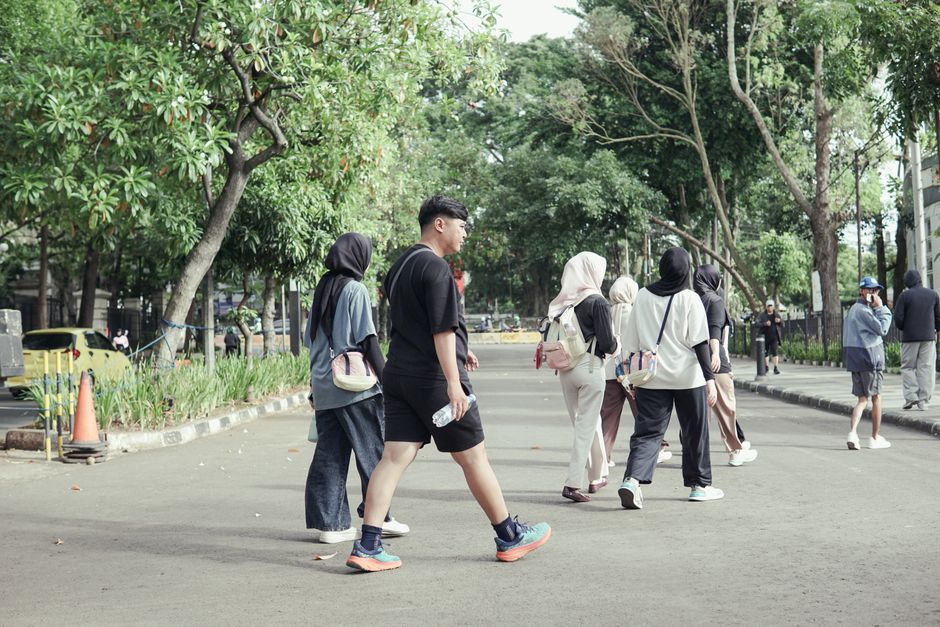
For those who prefer their stress relief without a formal clinical frame, the research also supports something Milan already does instinctively. Studies from the Max Planck Institute for Human Cognitive and Brain Sciences confirm that 20 minutes of green-space walking significantly reduces rumination — the repetitive negative thinking loop that underlies much chronic stress. Sempione Park, adjacent to the Castello Sforzesco, gives Milanese residents 386,000 square metres of that prescription for free, seven days a week. The Navigli cycling circuit offers a similar physiological benefit, combining moderate aerobic exercise with the well-documented stress-dampening effects of social exposure during the evening aperitivo hours.
The practical upshot is straightforward. Anyone experiencing persistent stress symptoms should first speak with their medico di base — the SSN GP system provides this at no direct cost — before committing to any formal program. For those cleared to self-manage, the evidence points toward combining structured breathing practice (even ten minutes daily, according to a 2023 Stanford study on cyclic sighing) with regular outdoor movement and deliberate social contact. Milan, almost by architectural accident, is built for exactly that combination. Using it consistently is the hard part.
How does this story make you feel?
Spread the word
About this article
Published by The Daily Milan
Daily brief
Free, in your inbox before 7am. Weekdays.
More in Wellness