Milan's Seniors Are Walking, Cycling and Stretching Their Way Into a Global Wellness Movement
From Sempione Park to the Navigli towpaths, older Milanese are already living what global health researchers are only now prescribing — but gaps remain.
From Sempione Park to the Navigli towpaths, older Milanese are already living what global health researchers are only now prescribing — but gaps remain.

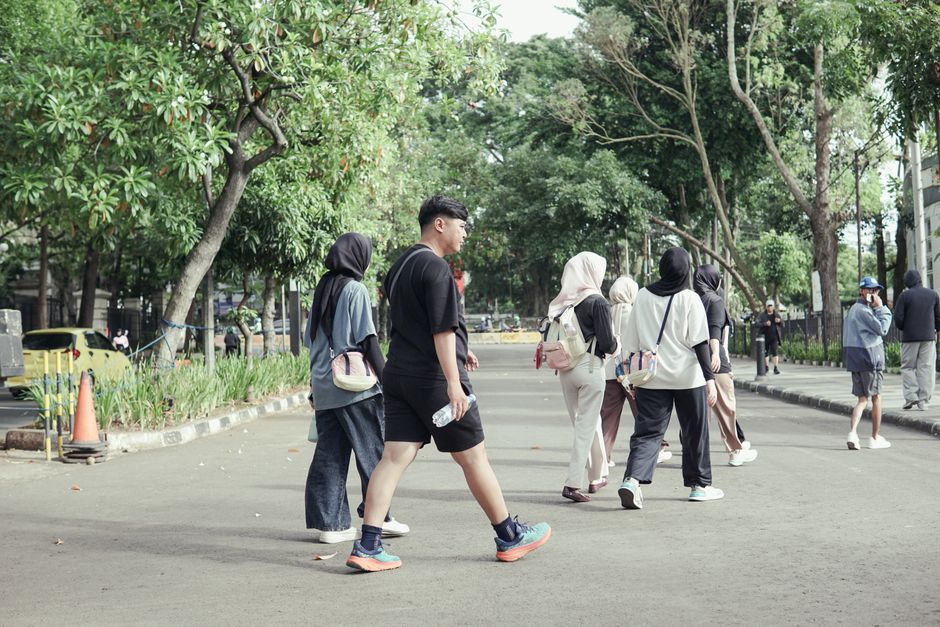
Italy now has the second-oldest population in the world, with roughly 23.5 percent of its residents aged 65 or over, according to ISTAT figures published in early 2026. In Milan, that demographic is not sitting still. On any given morning this summer, the benches along Viale Alemagna in Parco Sempione are empty by 7 a.m. — because the people who used to sit on them are walking laps instead.
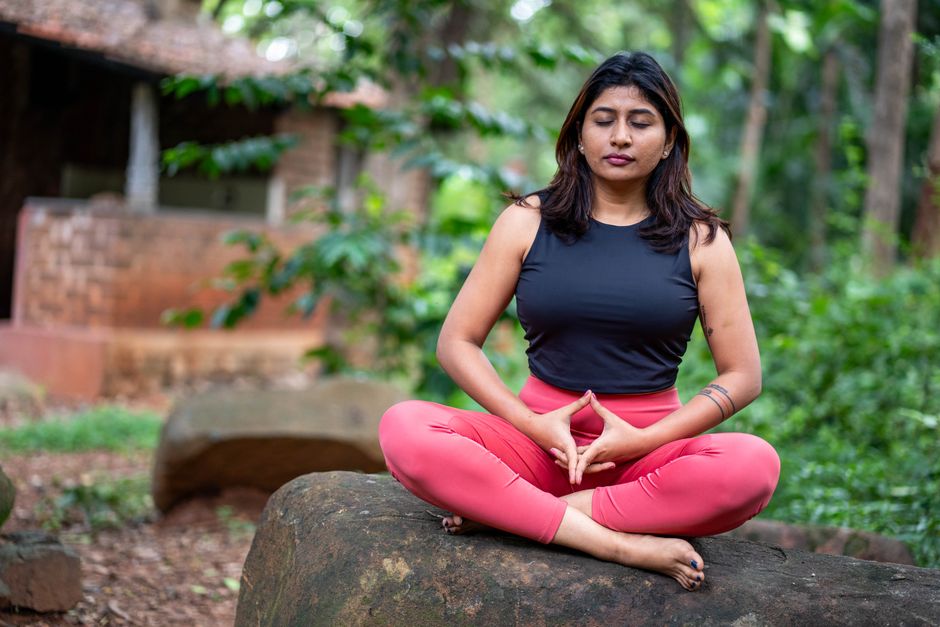
The timing matters. A wave of international research published over the past eighteen months has converged on a single, blunt conclusion: sustained low-to-moderate physical activity — walking, cycling, resistance training — cuts all-cause mortality risk in adults over 65 more effectively than almost any pharmaceutical intervention available. The World Health Organization's updated physical activity guidelines, reissued in late 2025, now recommend 150 to 300 minutes of moderate aerobic activity per week for older adults, plus muscle-strengthening exercises at least twice weekly. That is the global benchmark. Milan, almost by cultural accident, is close to meeting it.
The city's infrastructure does a quiet amount of the work. The Navigli cycling network, which the Comune di Milano extended by 14 kilometres in 2024 under the Cambio mobility plan, gives older residents a flat, largely car-free corridor from the Darsena to Corsico. The Centro Sportivo Coni at Via Piranesi hosts structured aquagym and low-impact fitness classes specifically designed for the over-60s, with a subsidised membership tier available to holders of the Carta Anziani — the city's senior discount card — at roughly €180 per year. That is well below the €400-plus annual cost at comparable private gyms in the Brera and Porta Nuova districts.
The CivicaAB program, run by the Municipio 1 district office on Via Larga, coordinates free Nordic walking groups that meet three mornings a week in Parco Sempione and the Giardini Pubblici Indro Montanelli on Corso Venezia. Uptake has grown steadily: the program logged 1,200 registered participants across its groups in spring 2026, up from 780 in the same period two years earlier. Coordinators attribute much of that growth to post-pandemic momentum, with older residents who rediscovered outdoor movement between 2021 and 2023 simply never stopping.
The Mediterranean diet — still very much a lived reality in Milan's older households rather than a trend-piece abstraction — adds a complementary layer. Research from the Mario Negri Institute for Pharmacological Research, based on Città Studi in eastern Milan, has for years tracked the relationship between dietary pattern and musculoskeletal health in northern Italian cohorts. Their longitudinal data consistently shows that older adults who maintain high olive oil and legume consumption alongside regular walking retain bone density and grip strength measurably better than those who do not.
Global wellness markets are pushing hard into wearable technology, hormone optimisation and personalised longevity protocols — territory that remains largely the preserve of wealthier urban consumers. In Milan, the private longevity clinic sector has expanded along Via della Moscova and around Piazza della Repubblica, offering VO2 max testing, DEXA bone scans and tailored exercise prescriptions starting at around €350 per consultation. Most older Milanese cannot afford that, and most do not need it. What they do need, public health advocates argue, is better coordination between the city's ASL Milano primary care network and community fitness programs, so that GPs are actively referring sedentary patients in their 70s to free outdoor groups rather than leaving them to find those groups themselves.
Mobility is the other friction point. Older residents in peripheral neighbourhoods — Quarto Oggiaro in the northwest, Gratosoglio in the south — face longer distances to parks and fewer cycling paths than those near the centre. The Comune's 2026-2028 urban greening plan includes two new pocket parks in Zone 9, but construction is not scheduled to begin until spring 2027.
For Milanese seniors looking to act now, the practical entry points are accessible and mostly free: the CivicaAB Nordic walking groups, the Navigli cycle routes, and the ASL Milano's Muoversi in Salute program, which offers supervised walking assessments at neighbourhood health centres — no referral required. Consulting your medico di base is the sensible first step before changing any exercise routine, particularly for those managing cardiovascular conditions or joint problems. The global research and the local opportunity are aligned. The distance between them is mostly a matter of knowing where to show up.
How does this story make you feel?
Spread the word
About this article
Published by The Daily Milan
Daily brief
Free, in your inbox before 7am. Weekdays.
More in Wellness