Walk, Cycle, Stretch: The Daily Habits Milan's Seniors Have Made Their Own
From Sempione Park at dawn to Navigli-side cycling routes, older Milanese are rewriting what active ageing looks like on the ground.
From Sempione Park at dawn to Navigli-side cycling routes, older Milanese are rewriting what active ageing looks like on the ground.

Across Milan's public parks and canal-side paths, people over 65 are quietly outpacing younger generations when it comes to consistent daily movement. According to a 2025 report by the Istituto Superiore di Sanità, adults aged 65–74 in northern Italian cities now average 7,200 steps per day — a figure that exceeds the national average for adults aged 30–50. The habit, researchers noted, is less about gym culture and more about architecture and routine.
The timing matters. Europe is grappling with a demographic shift that puts pressure on healthcare systems from Lisbon to Warsaw. Italy, with one of the oldest populations on the continent — roughly 23 percent of Italians are over 65 as of 2026 — has a particular stake in getting this right. But while national policy debates drag on in Rome, something more practical is happening neighbourhood by neighbourhood in Milan.
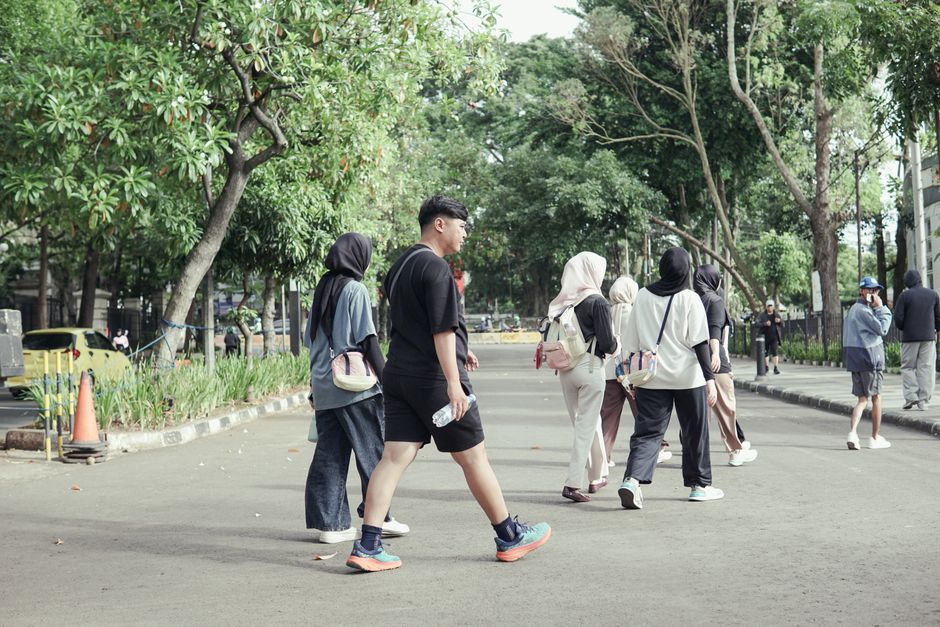
Parco Sempione is the most visible example. By 7:30 on a weekday morning, the paths near the Arco della Pace fill with walkers aged 60 and over, many of them regulars who have been covering the same 2.4-kilometre inner loop for years. The park's layout — flat, shaded, with benches spaced every 150 metres or so — makes it almost purpose-built for older adults. The Comune di Milano has quietly added 14 new rest points with back-supported seating along the main paths since 2023.
Down in the Navigli district, the towpaths running alongside the Naviglio Grande between Via Corsico and the Darsena have become a de facto cycling corridor for older residents. The Ciclofficina Stecca, a community bike repair collective near Porta Garibaldi, has seen a sharp rise in over-60 customers since it started offering free basic maintenance workshops on the first Saturday of each month — a programme it launched in March 2025. Many participants come in with city bikes they have owned for a decade and leave with the confidence to actually use them again.
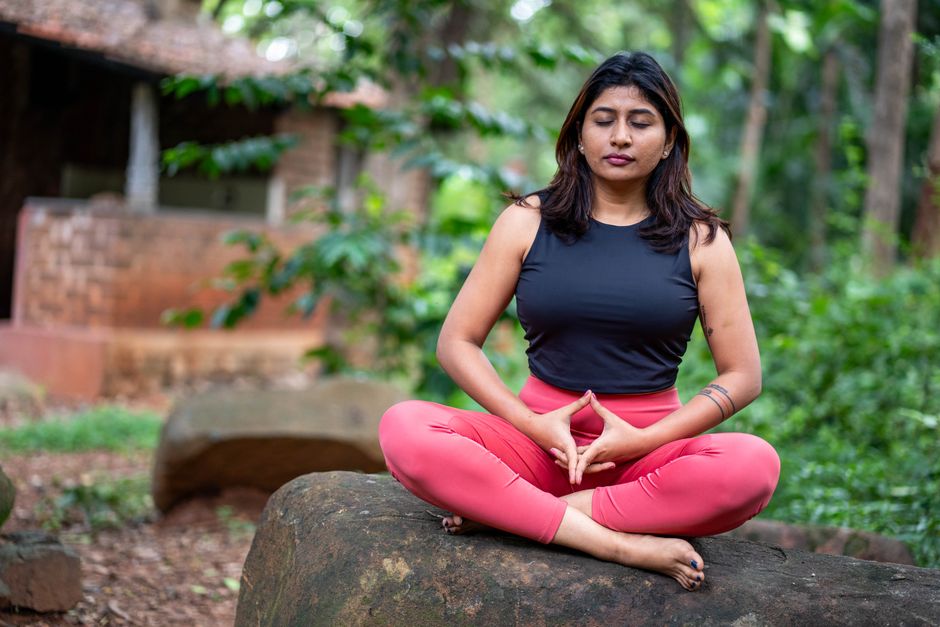
Mobility specialists at the Centro Sportivo Italiano's Milan branch, which runs low-impact movement classes out of several oratori — the neighbourhood recreational centres attached to local parishes — say demand for their Ginnastica Dolce sessions has doubled since 2023. The classes, offered at around €3 per session in locations including the Oratorio San Luigi in the Porta Romana neighbourhood, focus on joint mobility, balance and controlled breathing rather than cardiovascular intensity. That's deliberate. Falls remain the leading cause of injury-related hospitalisation among over-65s in Lombardia, accounting for over 40,000 emergency admissions in 2024 alone.
What the most consistent practitioners in Milan seem to share is not a single dramatic lifestyle overhaul but a stack of small, non-negotiable daily commitments. A walk to the Mercato di Via Fauché rather than ordering online. Taking the tram to Piazza Oberdan and walking the remaining 800 metres home. Stopping for an aperitivo at a neighbourhood bar not purely for the Campari Spritz but for the 45 minutes of standing, talking and moving that come with it. The social dimension of Milan's aperitivo culture turns out to serve a genuine physiological function — sustained light activity and human connection in a single early-evening ritual.
The city's public health infrastructure backs this up. The Azienda Socio-Sanitaria Territoriale (ASST) Fatebenefratelli Sacco runs a dedicated Ambulatorio di Medicina dello Sport at its Ospedale Luigi Sacco facility on Via G.B. Grassi, where GPs can refer older patients for tailored movement assessments at no out-of-pocket cost under the Servizio Sanitario Nazionale. Waiting times currently run at around six weeks for a non-urgent appointment — not ideal, but the service exists and is used.
For anyone over 60 looking to start: the research and the local evidence both point in the same direction. Start with 20 minutes outside, on flat ground, three times a week. Add one social element — a market, a class, a bar. Consult your medico di base before intensifying any programme, particularly if joint pain or cardiovascular history is involved. The infrastructure is here. The habits are learnable. The hard part, as any regular at Sempione will tell you, is just showing up the first time.
How does this story make you feel?
Spread the word
About this article
Published by The Daily Milan
Daily brief
Free, in your inbox before 7am. Weekdays.
More in Wellness