A Beginner's Guide to Starting a Meditation Practice in Milan
From Sempione Park to the Navigli, the city offers surprisingly fertile ground for anyone ready to sit still for the first time.
From Sempione Park to the Navigli, the city offers surprisingly fertile ground for anyone ready to sit still for the first time.

More Milanese are unrolling yoga mats and downloading breath-work apps than at any point in the last decade. Enrolments in introductory mindfulness courses across the city rose roughly 30 percent between 2023 and 2025, according to figures tracked by Centro Studi Yoga Milano, a longstanding training institute on Via Ozanam. The numbers suggest that a population historically fuelled by espresso and aperitivo is developing a genuine appetite for stillness.
The timing is not accidental. July heat, relentless work schedules, and the ambient noise of a city that never quite switches off have pushed stress to a visible threshold. The World Health Organisation's 2024 European mental health report placed Italy among the EU nations with the steepest post-pandemic rise in anxiety disorders, with urban centres like Milan disproportionately affected. Against that backdrop, even sceptics are giving the cushion a try.
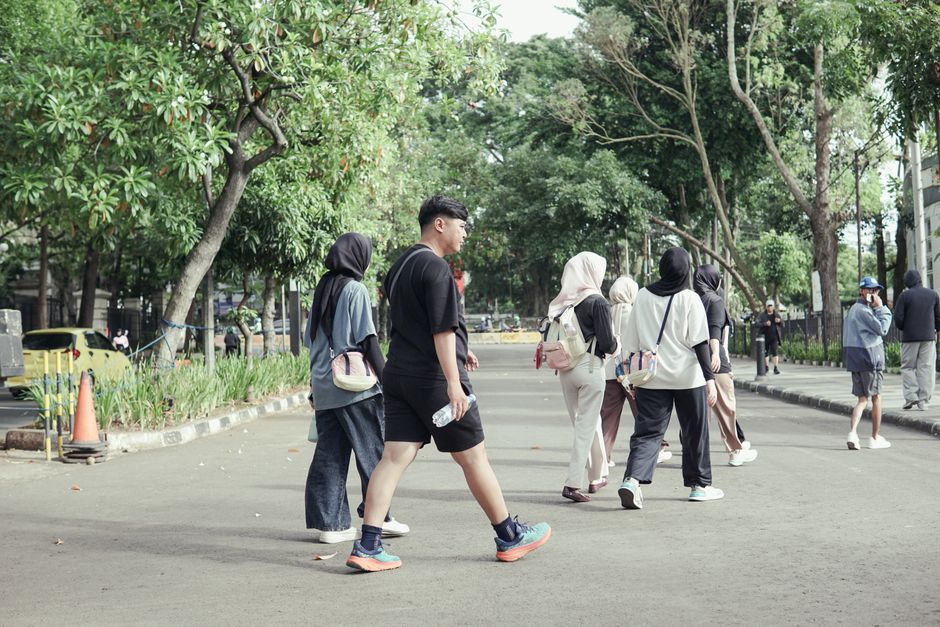
The single biggest mistake beginners make is imagining that meditation demands silence, incense, and a mountainside. It does not. Five minutes of focused breathing on a bench in Parco Sempione — specifically the quieter eastern stretch near the Arco della Pace — qualifies. The park's morning hours, roughly 7 to 9 a.m., offer shade beneath the plane trees and low foot traffic. Regulars who run the outer perimeter along Viale Democrito report that the grassy zones beyond the Castello Sforzesco forecourt are calm enough to sit undisturbed on weekdays.
For those who want structured guidance rather than improvised park sessions, Centro Shambhala Milano on Corso di Porta Ticinese runs an eight-week beginner programme modelled on the evidence-based Mindfulness-Based Stress Reduction curriculum developed at the University of Massachusetts in 1979. The autumn 2026 cohort opens for registration in September; the cost is approximately €280 for the full course. The Navigli neighbourhood, where the centre sits, has become something of a quiet anchor for wellness practitioners in a district better known for its Friday-night aperitivo crowds.
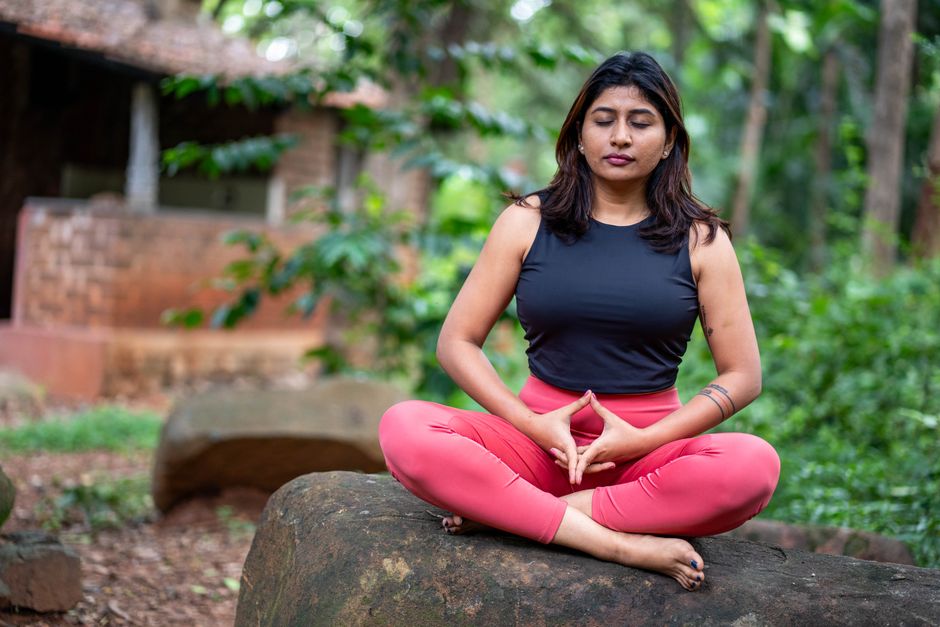
The mechanics of starting are straightforward. Choose a fixed time — early morning works best because the decision fatigue of the day has not yet accumulated. Sit upright on a chair or a folded blanket. Set a timer for six minutes. Breathe through the nose, counting each exhale up to ten, then begin again. When the mind wanders — and it will, relentlessly at first — the instruction is simply to notice that it has wandered and return to the count. That noticing is not a failure; it is, according to instructors at Associazione Italiana Mindfulness, the actual practice.
Apps have democratised access in ways a studio never could. Insight Timer, which has roughly 26 million registered users globally as of early 2026, offers hundreds of guided Italian-language sessions at no cost. The app's data shows that its most-completed beginner meditation runs exactly ten minutes. Calm and Headspace both added Italian-language tracks in 2024, though both sit behind monthly subscriptions of around €12 to €14.
Local instructors consistently make the same argument, however: start with the body before the screen. Sit without earphones for the first two weeks. The absence of a guiding voice forces a different quality of attention. Once a basic anchor habit is established — same place, same time, same short duration — adding guided content accelerates progress rather than compensating for a habit that does not yet exist.
The broader lifestyle context matters too. Milan's Mediterranean rhythm, with its mid-evening meal and genuinely social aperitivo hour, already builds informal decompression into the day. Researchers at Università degli Studi di Milano have examined how southern European eating and socialising patterns moderate cortisol levels compared with northern European work cultures. Meditation, in this framing, is less an exotic import than a more deliberate version of something the city already does by instinct. The key difference is intention — pausing on purpose, rather than simply pausing.
Anyone considering a structured course or addressing specific health concerns through mindfulness should speak with their GP at one of Milan's ASL (Azienda Sanitaria Locale) clinics first. The public healthcare system increasingly integrates psychological wellbeing referrals, and a conversation with a medico di base can help clarify whether group instruction, individual sessions, or app-based tools make the most sense for a particular situation. Start small, start local, and start this week.
How does this story make you feel?
Spread the word
About this article
Published by The Daily Milan
Daily brief
Free, in your inbox before 7am. Weekdays.
More in Wellness