Sleep is not passive recovery. That is the central finding driving a decade of neuroscience research, and it has significant implications for a city that routinely eats dinner at 9 p.m. and considers an 11 p.m. aperitivo on the Navigli perfectly civilised. A 2024 meta-analysis published in Nature Reviews Neuroscience confirmed that during deep slow-wave sleep, the brain's glymphatic system flushes out metabolic waste products including amyloid-beta, the protein fragment associated with Alzheimer's disease. Cutting that process short, even by 90 minutes a night over a working week, measurably impairs cognitive function the following day.
This matters right now for a specific reason. July in Milan means heat. The city recorded a mean overnight low of 22.4°C across the first week of this month, according to data from the Politecnico di Milano's urban climate monitoring network. That figure matters because sleep scientists identify 18-19°C as the optimal bedroom temperature for initiating and maintaining slow-wave sleep. Above 24°C, REM sleep duration drops sharply. Milanese summers have always been warm, but the combination of urban heat island effect in dense neighbourhoods like Porta Romana and Isola, and the cultural habit of late-night social activity, creates a compounding deficit that accumulates through July and August.
What the Chronobiology Research Actually Says
The field of chronobiology — the study of biological time — has moved far beyond advice about screen-time curfews. Researchers at the University of Bologna's Department of Biomedical and Neuromotor Sciences published findings in early 2026 showing that social jet lag, defined as the difference between a person's biological sleep midpoint on work days versus free days, is independently associated with elevated cortisol, higher BMI and reduced heart rate variability. Their sample of 1,200 northern Italian adults found a mean social jet lag of 1.8 hours — meaning the average participant was living almost two hours out of sync with their own biology across the working week.
Light is the primary regulator of the circadian clock. Morning exposure to natural light, ideally within 30 minutes of waking, triggers a cortisol pulse that sets the body's 24-hour timer. Evening blue-light exposure from phones and LED lighting suppresses melatonin onset by an average of 1.5 hours, according to research from Harvard Medical School's Division of Sleep Medicine. For Milanese residents who walk home along the brightly lit Corso Buenos Aires or sit under strip lighting in a bar off Piazza Gae Aulenti until midnight, the biological signal is unmistakably: it is still daytime.
None of this is an argument against aperitivo culture. It is an argument for working with circadian biology rather than defaulting to habits that predate the science. The Humanitas Research Hospital in Rozzano, just south of the city centre, runs a sleep disorders clinic where clinicians have been integrating chronotherapy protocols since 2022. Their approach includes light therapy boxes for morning use — available in Milan from around €45 at larger pharmacies including the Farmacia Carlo Erba on Piazza del Duomo — and structured wind-down periods anchored to consistent bedtimes rather than variable social schedules.
Building a Sleep Practice That Fits the City
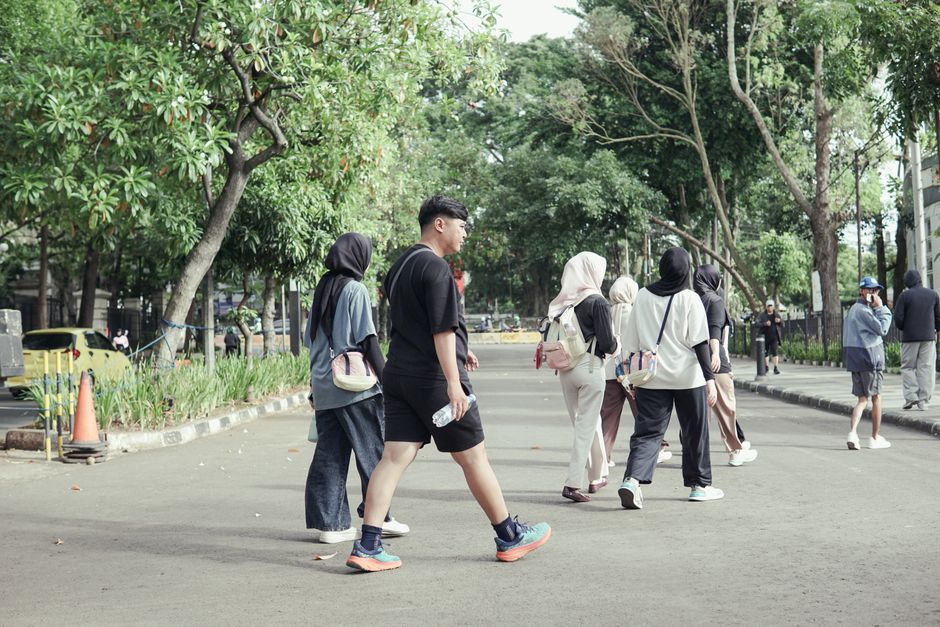
Practical application in Milan does not require abandoning the social fabric. The evidence points toward a few high-leverage interventions. Morning runs through Parco Sempione between 7 a.m. and 8 a.m. deliver exactly the kind of combined light and moderate-intensity exercise exposure that research links to earlier melatonin onset the following evening. The park's 47 hectares of open green space provide genuine sky exposure, unlike exercising indoors or under the canopy of tighter streets in the Brera district.
The Navigli cycling path along the Alzaia Naviglio Grande offers a similar morning option for those commuting from the southwest of the city. Cycling at a moderate pace for 20-30 minutes before 9 a.m. has been shown to phase-advance the circadian clock by approximately 30-45 minutes over two weeks of consistent practice, according to a 2023 trial in the Journal of Sleep Research.
Evening meal timing is harder to shift culturally, but researchers suggest that eating the largest meal of the day before 7 p.m. — difficult in Milan, admittedly — reduces core body temperature more rapidly, supporting earlier sleep onset. A lighter late dinner at 9 p.m. is a more realistic adaptation. Anyone experiencing persistent sleep difficulties should speak with their medico di base before making significant changes, particularly regarding hormone-related interventions including melatonin supplements, which are widely available but not appropriate for everyone.