Sleep is having a moment in Milan. Enrollment in evening wind-down programs at wellness centres across the city jumped roughly 34 percent in the first half of 2026, according to figures compiled by the Lombardy Wellness Network, a regional trade body representing more than 200 health and lifestyle businesses. The numbers reflect something practitioners here have been noticing for two years: Milanese professionals, long celebrated for burning both ends of the candle between the office and the aperitivo bar, are treating sleep as a non-negotiable health metric rather than a negotiable luxury.
The timing matters. Europe's summers are running hotter and longer, and disrupted sleep tied to heat stress is a documented public health concern. Italy's National Institute of Health, the ISS, flagged in its June 2026 bulletin that urban dwellers in northern Italian cities were reporting later sleep onset times and shorter total sleep duration compared with five years ago. The average adult in Milan currently logs around 6 hours and 20 minutes a night on workdays, well below the 7-to-9-hour window the World Health Organization considers adequate for adults. That deficit has a price: reduced immune function, impaired concentration, and — increasingly relevant to a city that prides itself on productivity — measurable drops in workplace output.
Where Milanese Are Actually Making Changes
The response at street level is concrete. Centro Wellness Navigli, a studio on Via Vigevano in the Navigli district, launched a dedicated Sonno Consapevole — literally, Conscious Sleep — programme in March 2026. The eight-session course, priced at €220 per person, combines breathwork, progressive muscle relaxation, and nutritional coaching focused on the Mediterranean diet's natural sleep-supporting foods: olive oil, fatty fish, walnuts, and sour cherries, which are high in melatonin precursors. The course filled its first four cohorts within a fortnight of opening registration.
Across the city in Brera, the Istituto di Medicina Integrativa on Via Solferino has added a sleep medicine consultation service staffed by physicians from the Ospedale Niguarda sleep disorders unit. Niguarda, one of Italy's largest public hospitals, has seen referrals for insomnia and circadian rhythm disruption climb steadily since 2023. The integrative clinic charges €90 for an initial 45-minute assessment, which includes a two-week sleep diary review and, where appropriate, a referral back into the public system via the Servizio Sanitario Nazionale, keeping the pathway affordable.
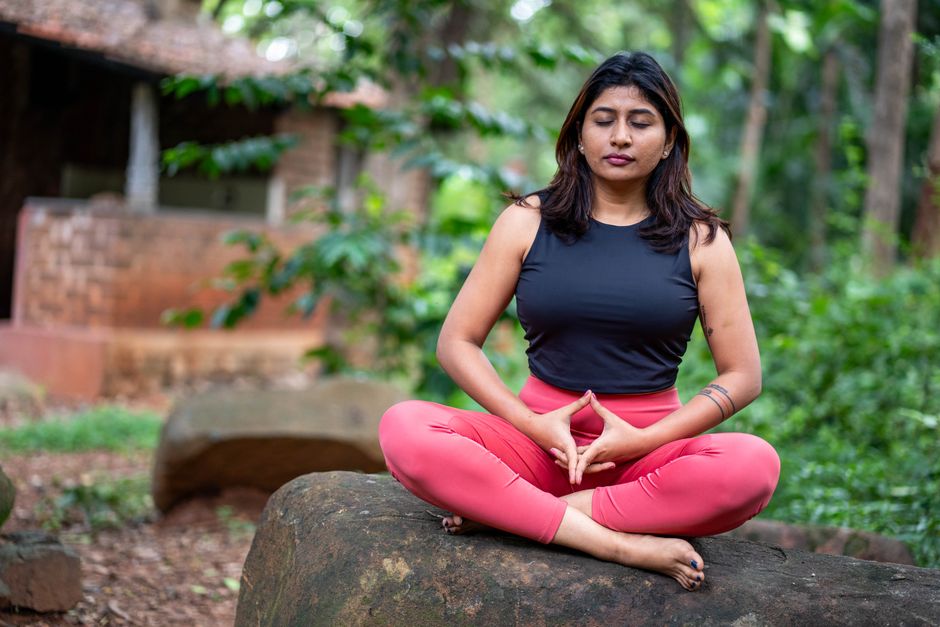
Sempione Park has become an unlikely participant in the movement. A circuit of evening restorative yoga sessions, run every Tuesday and Thursday at 7:30 p.m. near the Arco della Pace, draws between 60 and 80 participants on a warm evening. The sessions are free, organised under the Comune di Milano's Sport nei Parchi initiative. Instructors emphasise postures specifically sequenced to lower cortisol and signal the nervous system toward sleep — a deliberate counterpoint to the high-intensity bootcamp culture that dominated outdoor fitness here three years ago.
The Science Behind the Ritual
Researchers at the Università degli Studi di Milano published findings in May 2026 in the journal Sleep Medicine Reviews showing that adherence to a traditional Mediterranean evening meal pattern — eaten before 8 p.m., heavy on vegetables and legumes, with a single small glass of wine at most — was associated with a 22 percent improvement in sleep continuity among the 410 adults studied over six months. The study was conducted partly in collaboration with the Humanitas Research Hospital in Rozzano, just south of the city. The practical implication is simple: the old Milanese habit of a light, early dinner is not nostalgia. It is evidence-based sleep hygiene.
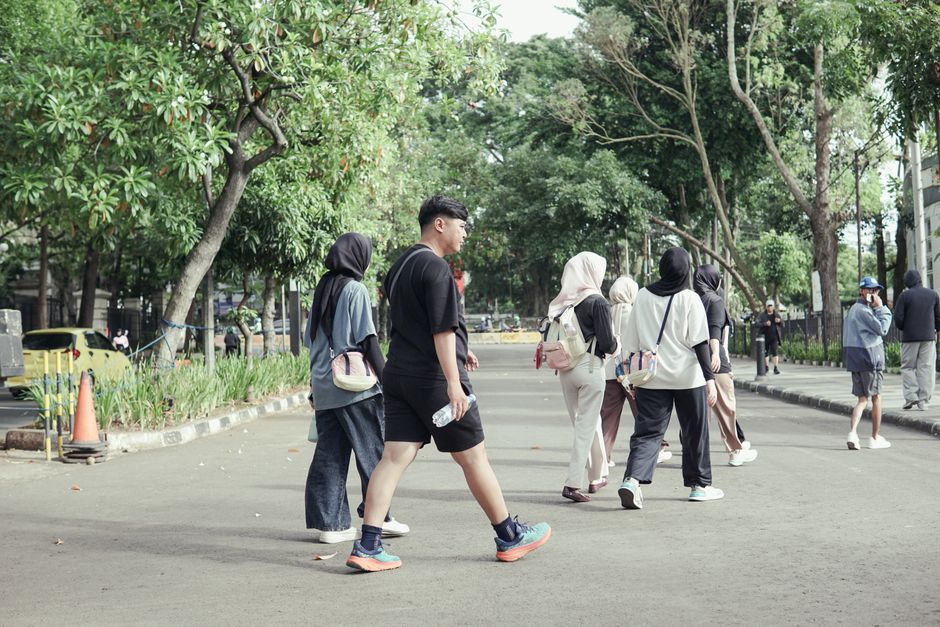
For anyone looking to start, practitioners consistently recommend three entry points. First, anchor your dinner before 8 p.m. and keep screens off for the final hour before bed — the blue-light curfew is old advice, but adherence in the city remains low. Second, consider a 20-minute evening walk along the Naviglio Grande canal, where ambient light levels drop naturally after 9 p.m. and foot traffic creates a gentle social buffer against anxiety. Third, if problems persist beyond three weeks, book a consultation through your medico di base — Milan's GP network is well-equipped to triage sleep disorders and refer into the Niguarda service without private costs. Rest, it turns out, is a discipline. This city is only just learning that lesson.