More than half of Italian workers report feeling chronically stressed, according to a 2025 Eurofound survey covering 27 EU member states — and Milan, the country's financial and fashion capital, consistently scores above the national average. That figure is landing with new weight this July, as global wellness data signals a sharp post-pandemic surge in demand for structured mental health tools, from corporate mindfulness contracts in London to government-funded therapy apps in Germany's statutory health system.
The timing matters. Europe's summer heat is intensifying — meteorologists have flagged record June temperatures across the continent — and thermal stress compounds psychological load in dense urban environments. For a city of 1.4 million people navigating construction noise on Via Padova, the relentless pace of Milan Fashion Week cycles, and one of Europe's most congested commute networks, the mental health pressure is not abstract. It is a daily arithmetic.
What Global Trends Are Actually Saying
The Global Wellness Institute valued the mental wellness market at $181 billion in 2023 and projected annual growth of over 10 percent through 2027. That growth is not uniform. Scandinavian countries embed mindfulness training inside state school curricula. The UK's National Health Service expanded its Talking Therapies programme in 2024 to cover digital cognitive behavioural therapy, free at point of use. Japan's Ministry of Health has run subsidised stress-screening clinics inside major corporations since 2022. Milan's public offer, by comparison, remains thinner — the city's ASST Santi Paolo e Carlo mental health units are respected, but waiting times for non-urgent outpatient appointments stretch beyond eight weeks in most districts.
Private providers have moved fast to fill that gap. The wellness studio chain Forma & Mente, headquartered near Piazza della Repubblica, now offers an eight-week Mindfulness-Based Stress Reduction course — modelled on Jon Kabat-Zinn's original University of Massachusetts protocol — for €320, a price point that undercuts comparable London programmes by roughly 40 percent. Enrollment in its weekday morning sessions has reportedly doubled since September 2025, driven partly by HR departments at firms in the Porta Nuova business district buying group licences.
Milan's Own Wellness Geography
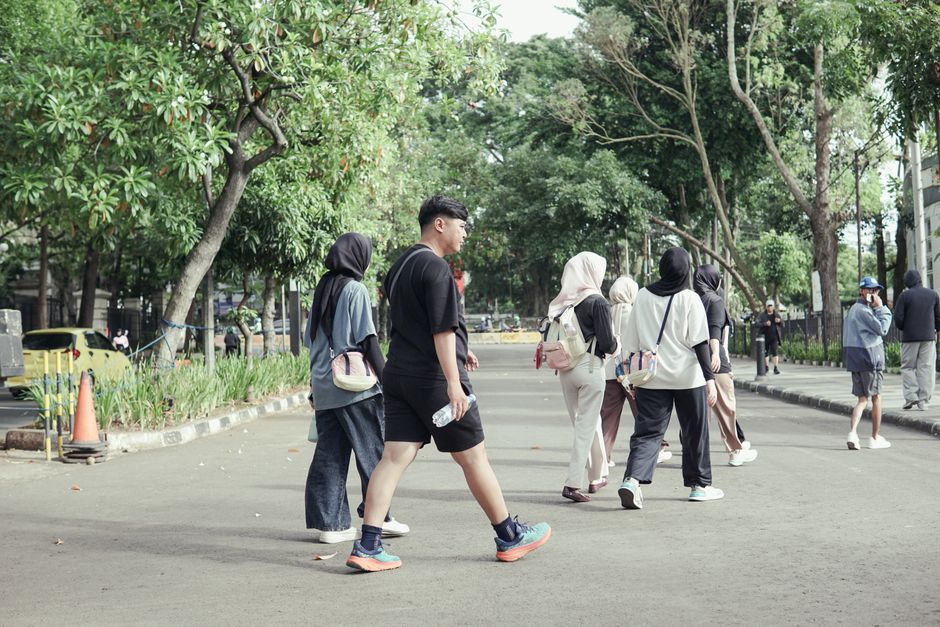
The city's most democratic stress-management infrastructure remains free and outdoors. Sempione Park, a 47-hectare green lung adjacent to the Castello Sforzesco, hosts informal running collectives every Tuesday and Thursday morning at 7am, organised loosely through the app Strava's local Milan clubs. Exercise science consistently links moderate aerobic activity to reduced cortisol production, and the park's canopy provides measurable temperature relief — typically 3 to 4 degrees cooler than the surrounding streets in peak summer.
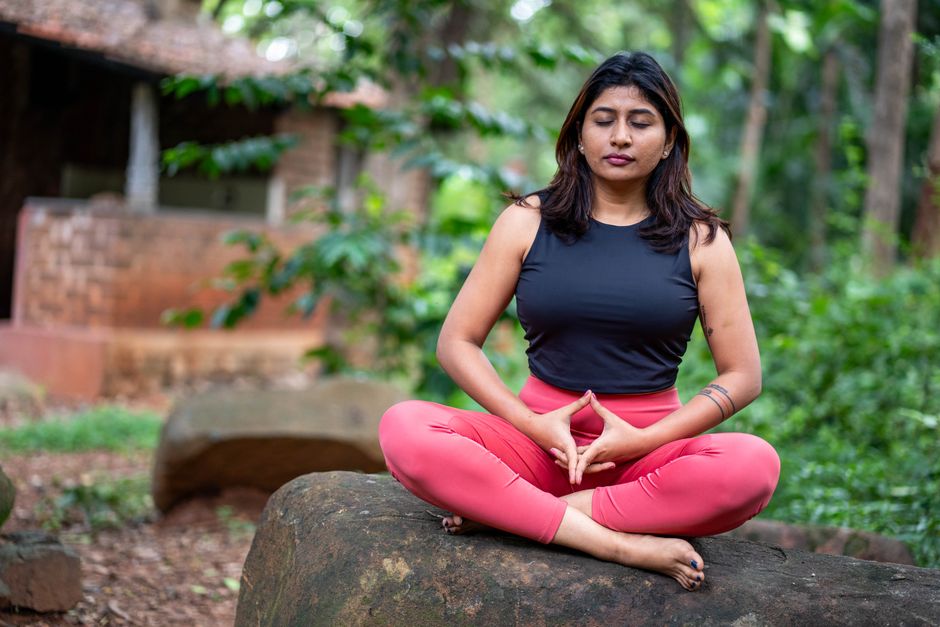
Along the Navigli canals, a different scene has taken hold. The cooperative social space BASE Milano, on Via Bergognone in the Tortona design district, runs a monthly programme called Mente Aperta — Open Mind — that combines guided breathwork with peer discussion groups. Sessions are pay-what-you-can, with a suggested contribution of €10. The aperitivo culture that defines Navigli evenings has also been quietly reframed by some bar operators: Spritz & Silenzio evenings at a handful of spots on the Naviglio Grande ban phones for the first hour, a low-tech nudge toward social presence that regulars describe as unexpectedly effective.
The gap between private and public access remains the sharpest local inequality. Milanese residents with corporate health cover or disposable income above roughly €2,000 per month net can access a functional ecosystem of therapy apps, meditation studios, and nutritional psychiatry consultants. Those below that line depend on an overtaxed public network or nothing at all.
Practically speaking, anyone in Milan looking to build a stress management habit without significant cost should start with the Sempione Park running groups or BASE Milano's Mente Aperta calendar, both accessible through their respective websites. For anything beyond lifestyle adjustment — persistent anxiety, disrupted sleep lasting more than four weeks, or low mood that interferes with work — the first call should be to a general practitioner at the nearest Medico di Medicina Generale, who can initiate a referral through the SSN public health system at no charge. The global wellness industry is selling mindfulness. Milan's best version of it may still be a walk under the Castello walls at dusk.