Sleep debt is quietly building across Milan this July. The city logged nine consecutive nights above 26°C through late June, and urban heat island conditions in central neighbourhoods like Porta Romana and Isola are making bedrooms feel closer to saunas than sanctuaries. Pharmacies along Corso Buenos Aires report a sharp uptick in melatonin sales — one staff member at a Lloyds Farmacia branch described shelves being restocked twice a week rather than the usual monthly cycle.
The timing matters. Across Europe, sleep researchers have spent the past two years documenting the compound effect of summer heat stress on chronic insomnia. The European Sleep Research Society's 2025 report estimated that roughly one in three urban adults in Mediterranean-climate cities sleeps fewer than six hours during July and August — below the seven-to-nine hour threshold recommended for adults by most national health bodies, including Italy's Istituto Superiore di Sanità. Poor sleep cascades into daytime cortisol spikes, weakened immunity, and an increased tendency to reach for quick-fix stimulants. Milan's aperitivo culture, beloved as it is, does not help: a Negroni at 7 p.m. in the Navigli may feel like unwinding, but alcohol consumed within three hours of sleep onset fragments REM sleep measurably.
Where to Go in Milan
The most underused resource in the city is the Centro Medicina del Sonno at Ospedale San Raffaele on Via Olgettina 60, in the northeastern Segrate fringe of Milan. The centre runs full polysomnography studies — overnight monitoring of brain waves, oxygen levels, and movement — and accepts both private referrals and, with a prescription from a medico di base, reduced-cost appointments through the Servizio Sanitario Nazionale. A private consultation starts around €150; SSN patients typically pay the standard ticket fee of €36.15. Waiting times for SSN slots currently run around six to eight weeks, so residents dealing with persistent insomnia should request a referral now rather than at summer's end.
For those not yet ready for a clinical assessment, the Humanitas Research Hospital in Rozzano — about twelve kilometres south of the Duomo — runs a public-facing sleep hygiene programme through its outpatient neurology department. The programme includes a structured four-week behavioural intervention based on Cognitive Behavioural Therapy for Insomnia (CBT-I), which a 2024 meta-analysis in The Lancet found more effective than sleep medication for long-term insomnia in 73 percent of participants. Humanitas schedules these group sessions in Italian, and the next intake opens in September.
What You Can Do Before Then
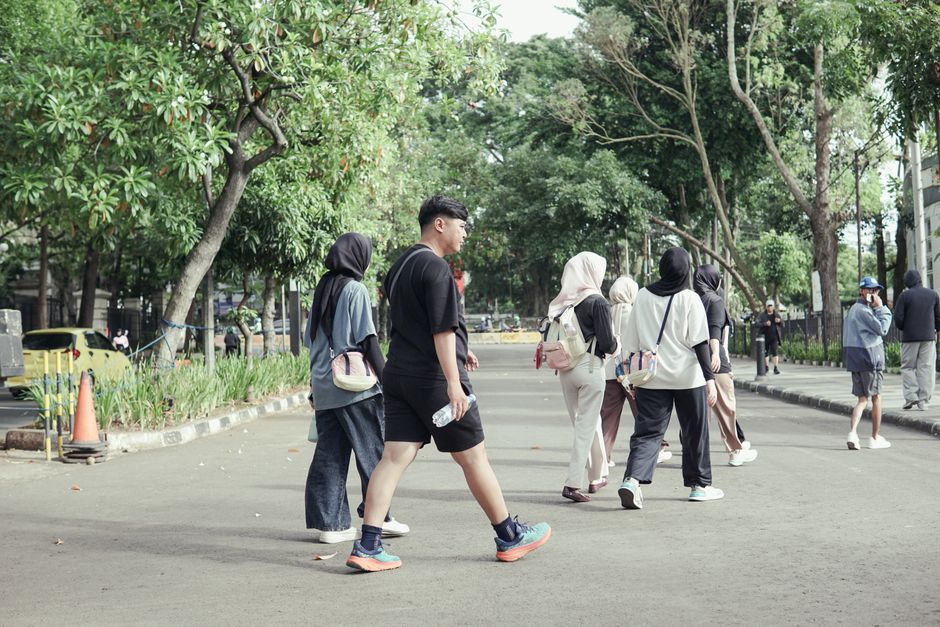
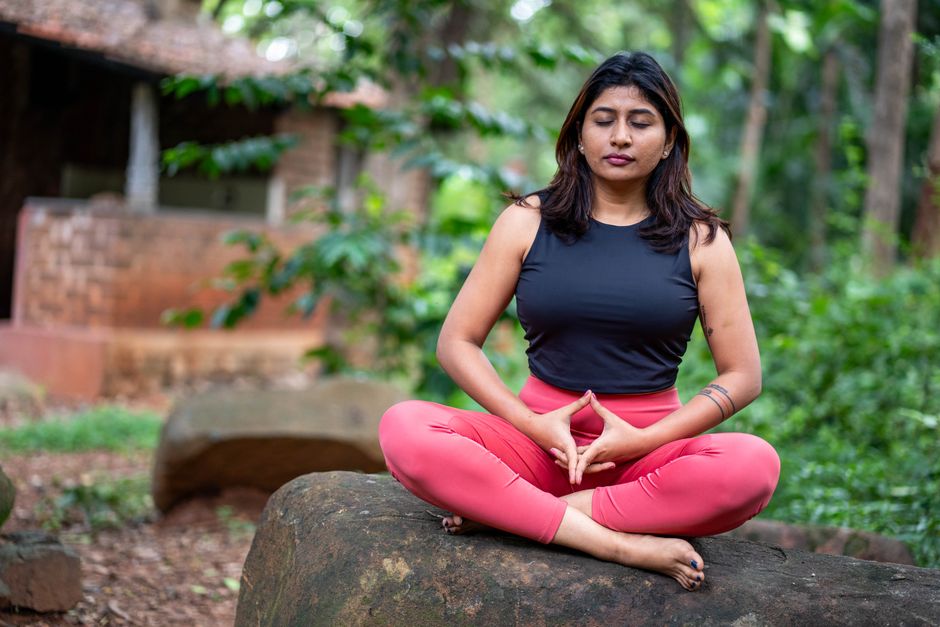
Practical adjustments help bridge the gap. Sempione Park, a five-minute walk from Arco della Pace, opens at 6:30 a.m. and offers shaded running and walking paths that allow moderate aerobic exercise before temperatures peak — morning light exposure before 9 a.m. is one of the most evidence-backed tools for resetting circadian rhythm. The Navigli cycling network along the Alzaia Naviglio Grande provides a cooler evening alternative to indoor gyms, though exercise should finish at least ninety minutes before bed. Blackout blinds, broadly unavailable in older Milanese apartments, can be rented month-by-month through platforms including Letti e Riposo, a Milanese bedding and sleep-environment retailer on Via Boccaccio in the fifth municipio.
Residents who suspect a deeper issue — persistent waking between 2 a.m. and 4 a.m., daytime fatigue that doesn't resolve with rest, or morning headaches — should see their medico di base and ask specifically for a referral to either San Raffaele or Humanitas. Self-diagnosing from online symptom checkers and buying melatonin supplements in escalating doses is a pattern clinicians at both hospitals have flagged as increasingly common. Melatonin at 0.5mg to 1mg may assist with jet lag or temporary rhythm disruption, but it is not a treatment for structural sleep disorders.
The heat is not going anywhere fast. Getting assessed in July means having a management plan in place before the city's social and professional calendar accelerates again in September.