Best Neighbourhoods to Live in Milan 2026
Expat guide to Milan's top rental areas: Navigli, Brera & beyond. Real prices, commute times & neighbourhood insights for 2026.
Expat guide to Milan's top rental areas: Navigli, Brera & beyond. Real prices, commute times & neighbourhood insights for 2026.
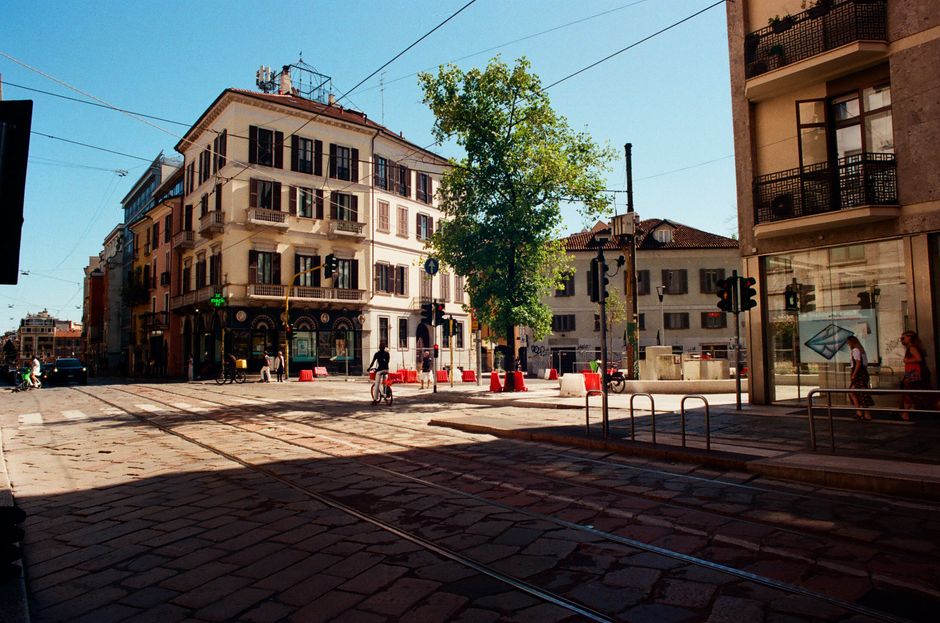
Milan is Italy's most expensive city for residential property, and as at early 2026 prices are still climbing, with average values rising roughly 2.3% through 2025 and further growth expected as the city prepares for the Milan-Cortina 2026 Winter Olympics and ongoing urban regeneration projects. For expats arriving in Italy's business and fashion capital, picking the right neighbourhood can mean the difference between a comfortable daily commute and a drained bank account. This guide breaks down six of the most popular neighbourhoods for renters, with real pricing benchmarks to help you plan.
Before drilling into individual neighbourhoods, it helps to understand the baseline. According to Housing Anywhere's rental index, as at early 2026 the citywide median rent for a room in Milan sits at around €664 per month, a studio at roughly €1,200, and a full apartment at approximately €1,791. These figures vary considerably by zone, with central locations commanding premiums of 30% or more over the city average.
If budget is no object, Brera and the adjoining Montenapoleone district represent the pinnacle of Milanese living. Property prices here exceed €33 per square metre in rent, making it comfortably the most expensive address in the city. The area is synonymous with the Quadrilatero della Moda (the fashion quadrilateral), home to flagship boutiques from Prada, Versace and Armani, alongside independent galleries and the Pinacoteca di Brera.
Brera suits high-earning professionals, fashion industry workers and anyone who values walkability to the Duomo and La Scala. Expect beautifully maintained palazzi, cobbled streets and some of the best aperitivo bars in Milan. The trade-off is price: even a modest one-bedroom apartment will push well beyond the city average.
The Navigli district, built around Milan's historic canal network, is one of the city's most atmospheric neighbourhoods. The Naviglio Grande and Naviglio Pavese canals are lined with bars, trattorias, vintage shops and artists' studios. Every last Sunday of the month, the area hosts one of Italy's best-known antique and flea markets along the canal banks.
Navigli is a strong choice for young professionals and creatives who want vibrant nightlife on their doorstep. The aperitivo scene here is legendary, with canalside bars offering drinks and generous buffet spreads from around 6pm onwards. Rents are above the city average but typically a step below Brera, and the neighbourhood rewards those who enjoy living in a slightly bohemian, tourist-friendly atmosphere.
Once a working-class enclave cut off from the city centre by railway lines, Isola has transformed into one of Milan's most desirable neighbourhoods over the past decade. The name means "island" in Italian, a nod to its formerly isolated position, and the area retains a village-like character even as new developments (including the Bosco Verticale towers) have reshaped the skyline nearby.
Isola is popular with couples and young professionals who want character without sacrificing convenience. One-bedroom apartments typically rent for between €1,100 and €1,700 per month as at early 2026. The neighbourhood offers excellent independent restaurants, a lively bar scene and good metro connections via Garibaldi and Isola stations.
Porta Romana, in Milan's southern inner ring, offers something increasingly rare in the city centre: a genuine residential atmosphere. Tree-lined streets, local bakeries, neighbourhood pharmacies and a slower pace of life make it a favourite with families and professionals who want proximity to the centre without the noise of Navigli or the price tag of Brera.
One-bedroom rents in Porta Romana range from roughly €1,000 to €1,600 per month as at early 2026. The area is well connected by tram and metro (Porta Romana station on the M3 line), and sits close to the Fondazione Prada and the emerging Milano Innovation District (MIND), which is drawing further investment to the south of the city.
Porta Venezia, straddling Zone 1 and Zone 3, is one of Milan's most genuinely diverse neighbourhoods. You will find Milanese pensioners sharing the pavements with international students, young families and a thriving LGBTQ+ community. The area borders the Giardini Pubblici Indro Montanelli, Milan's oldest public park, which makes it especially appealing for families with children.
The neighbourhood has a strong food scene influenced by its multicultural population, with excellent East African, Middle Eastern and traditional Italian restaurants sitting side by side. Rents are moderate by central Milan standards, though rising demand is pushing prices upward. The M1 red line (Porta Venezia station) provides fast access to the Duomo and Cadorna.
For budget-conscious expats, students and researchers, Citta Studi is the neighbourhood to consider first. Home to the Politecnico di Milano and several other university campuses, the area has a youthful energy and significantly lower rents than more central districts. One-bedroom apartments typically let for between €700 and €1,200 per month as at early 2026, making it one of the most affordable options inside the city proper.
Citta Studi is quieter than Navigli or Isola and lacks the nightlife of those areas, but it compensates with excellent public transport links, plentiful supermarkets and a strong community of international academics. For those willing to trade a 15-minute metro ride for meaningful savings, it is hard to beat.
Milan rewards those who do their homework. Whether you are drawn to the canal-side charm of Navigli, the residential calm of Porta Romana, or the affordability of Citta Studi, the city offers a neighbourhood for almost every budget and lifestyle. Prices are high by Italian standards but remain competitive with London, Paris and Munich. Start your search early, visit in person if you can, and be prepared to move quickly when the right apartment appears.
This article was compiled by AI and screened before publishing. See our editorial standards.
How does this story make you feel?
Spread the word
About this article
Published by The Daily Milan
Daily brief
Free, in your inbox before 7am. Weekdays.
More in lifestyle