Where Milan's Soul Lives: Inside the Markets That Define Our Neighbourhoods
From Viale Papiniano to the Navigli, we explore how local markets remain the beating heart of community life across the city.
From Viale Papiniano to the Navigli, we explore how local markets remain the beating heart of community life across the city.
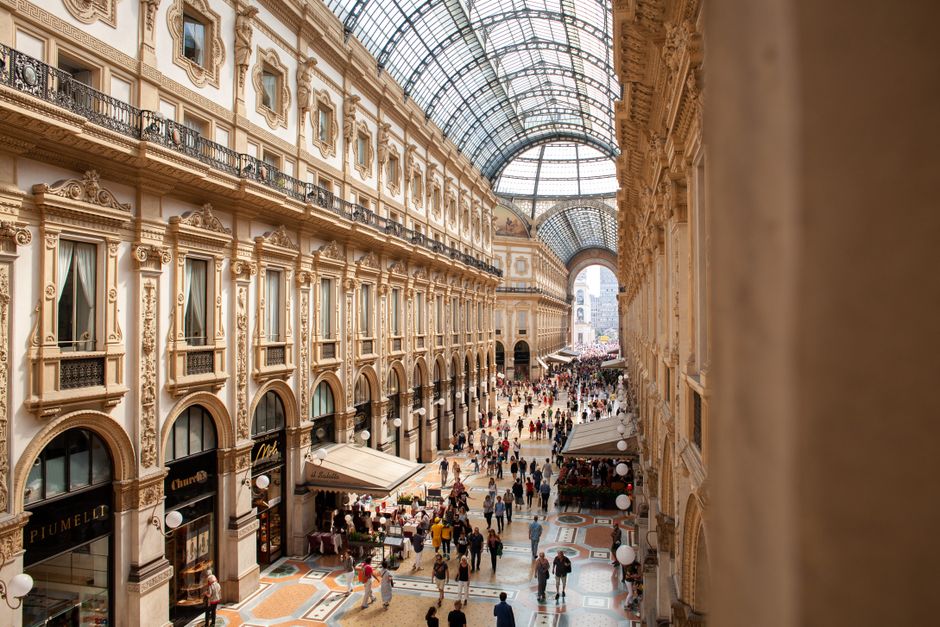
Walk through Milan's markets on any Saturday morning and you'll witness something increasingly rare in Europe's luxury-obsessed capitals: a place where neighbourhood identity still matters more than brand names.
Viale Papiniano in Sant'Ambrogio remains the city's most storied open-air market, drawing crowds since the 1950s. Here, regulars—many shopping the same stalls for decades—form an invisible social fabric. Vendors selling seasonal produce, vintage clothing, and handcrafted leather goods know their customers by name. A kilo of San Marzano tomatoes costs around €3.50, significantly less than supermarket chains, but the real currency is familiarity. The market operates Tuesday through Saturday, and by mid-morning, the experience feels almost ceremonial.
The character differs markedly across neighbourhoods. In Porta Ticinese, near the Navigli canals, weekend markets cater to younger demographics—vintage record dealers, independent jewellery makers, and sustainable fashion entrepreneurs have gradually replaced traditional produce vendors. The transition reflects demographic shifts, yet the communal spirit endures. These markets have become Instagram-worthy, yes, but they've retained authenticity precisely because they remain working marketplaces, not curated photo sets.
Farther north, the Rho neighbourhood's Mercatone dell'Usato specializes in secondhand furniture and antiques, drawing interior designers and budget-conscious families alike. Price ranges span wildly—vintage Scandinavian chairs fetch €150-400, while genuine treasures occasionally emerge for €20. It's the thrill of discovery that animates these spaces, the possibility that history and value intersect unpredictably.
What distinguishes Milan's markets from comparable European cities is their resistance to homogenization. While flagship boutiques colonize the Quadrilatero d'Oro, these neighbourhood markets maintain distinct personalities. The Pakistani community in Sarpi has transformed local markets into cultural crossroads, with spice vendors, textile merchants, and food stalls creating a distinctly different Milan than visitors encounter on Corso Como.
Recent data suggests market footfall in traditional neighbourhoods has stabilized after pandemic declines, with approximately 40% of Milanese still shopping weekly at neighbourhood markets. For many, it's not merely economic—it's about maintaining social bonds, discovering local craftsmanship, and resisting the flattening effect of e-commerce.
These markets remain where Milan remembers itself: not as a global fashion capital, but as a collection of interconnected communities where trust, regularity, and personal connection still define how we shop and live together.
This article was compiled by AI from the sources linked above and screened before publishing. See our editorial standards.
How does this story make you feel?
Spread the word
About this article
Published by The Daily Milan
Daily brief
Free, in your inbox before 7am. Weekdays.
More in lifestyle