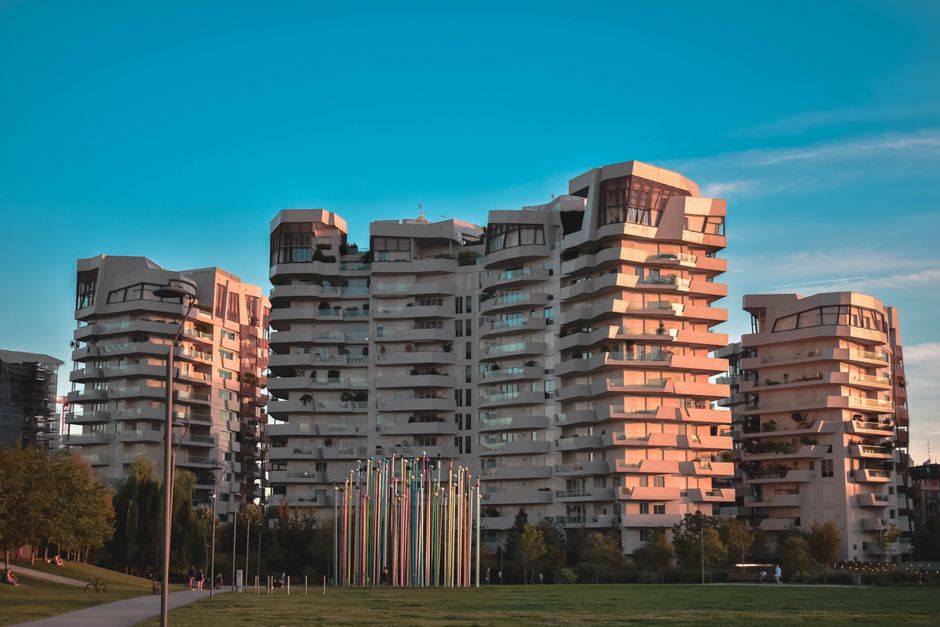
The Faces Behind the Duomo: Meet the Expats Reshaping Milan's Soul
Beyond the fashion houses and cathedral spires, it's the international newcomers transforming neighbourhoods like Navigli and Isola who reveal what makes this city truly magnetic.
Beyond the fashion houses and cathedral spires, it's the international newcomers transforming neighbourhoods like Navigli and Isola who reveal what makes this city truly magnetic.
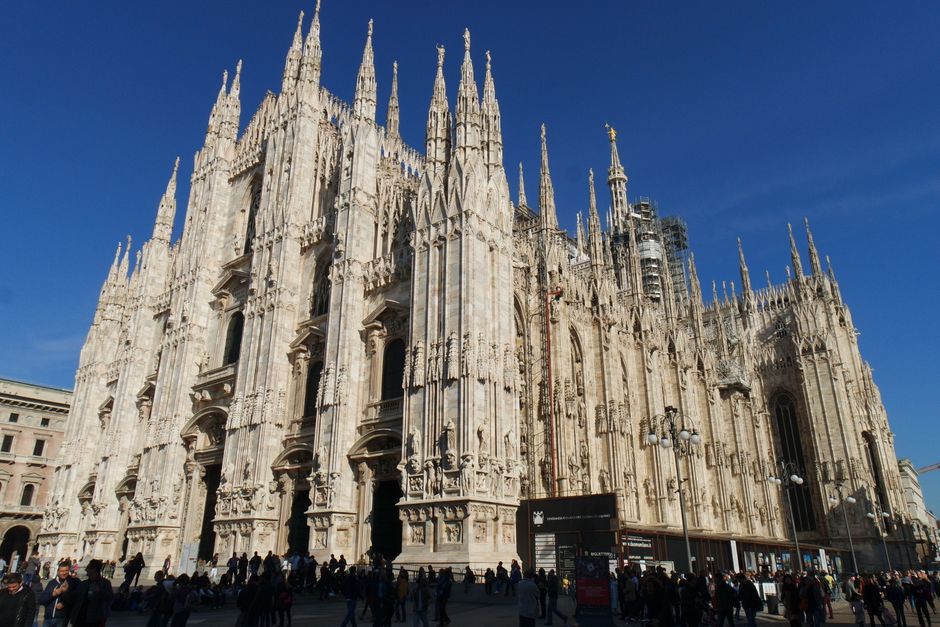
Milan's postcard image—Duomo, runways, aperitivo culture—tells only half the story. The other half lives in the stories of expat communities quietly reshaping entire neighbourhoods, creating unexpected pockets of belonging in Italy's most cosmopolitan city.
The numbers tell a compelling tale. As of 2025, Milan's foreign-born population hovered around 18% of the city's 1.3 million residents, with significant communities from the Philippines, Egypt, Romania, and increasingly, professionals from North America and Northern Europe drawn by tech and finance sectors clustered around Porta Nuova and the Navigli district. These aren't transient tourists—they're people building lives, launching businesses, and infusing Milan with fresh energy.
Walk through Isola, the neighbourhood north of the Garibaldi Station, and you'll encounter this reality firsthand. What was once overlooked industrial space has transformed into a cultural laboratory, populated largely by young expat entrepreneurs. The area's vintage shops, design studios, and collaborative workspaces weren't part of some municipal masterplan—they emerged organically as newcomers saw possibility where locals saw concrete.
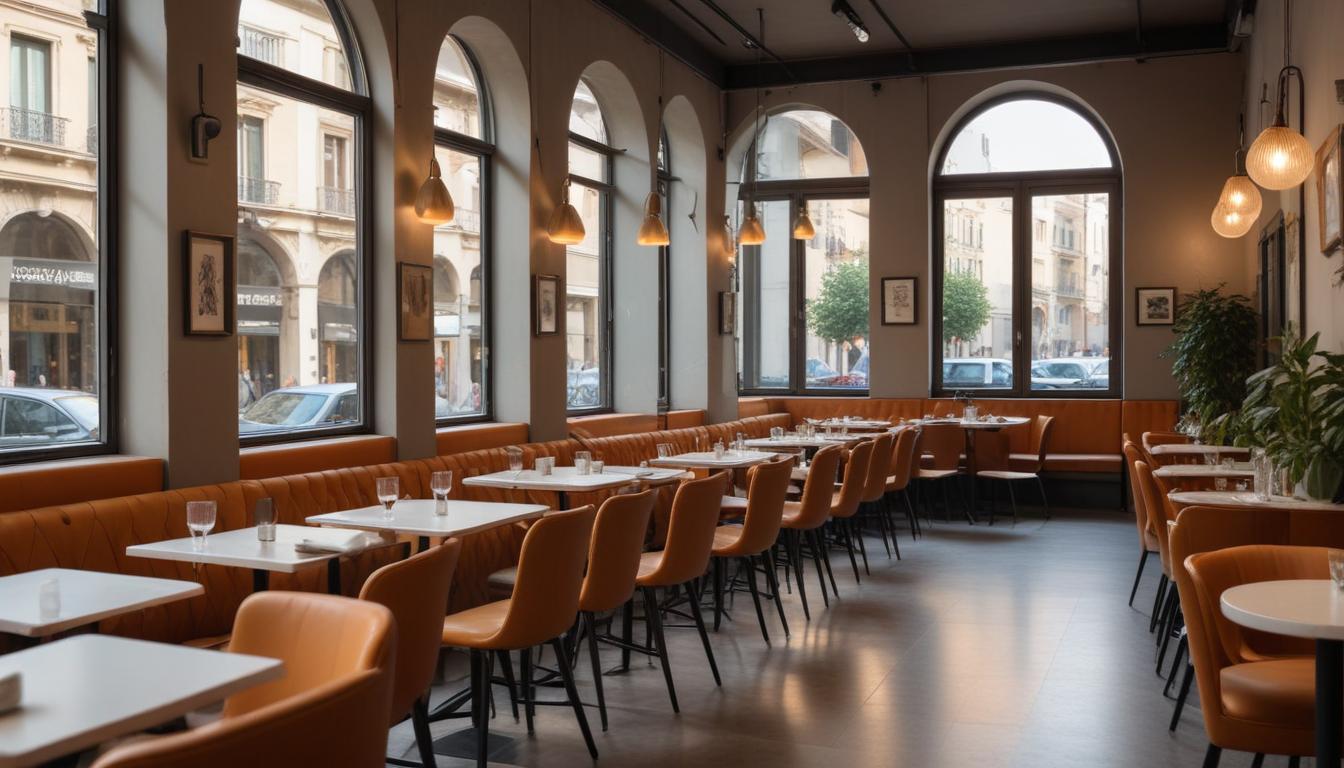
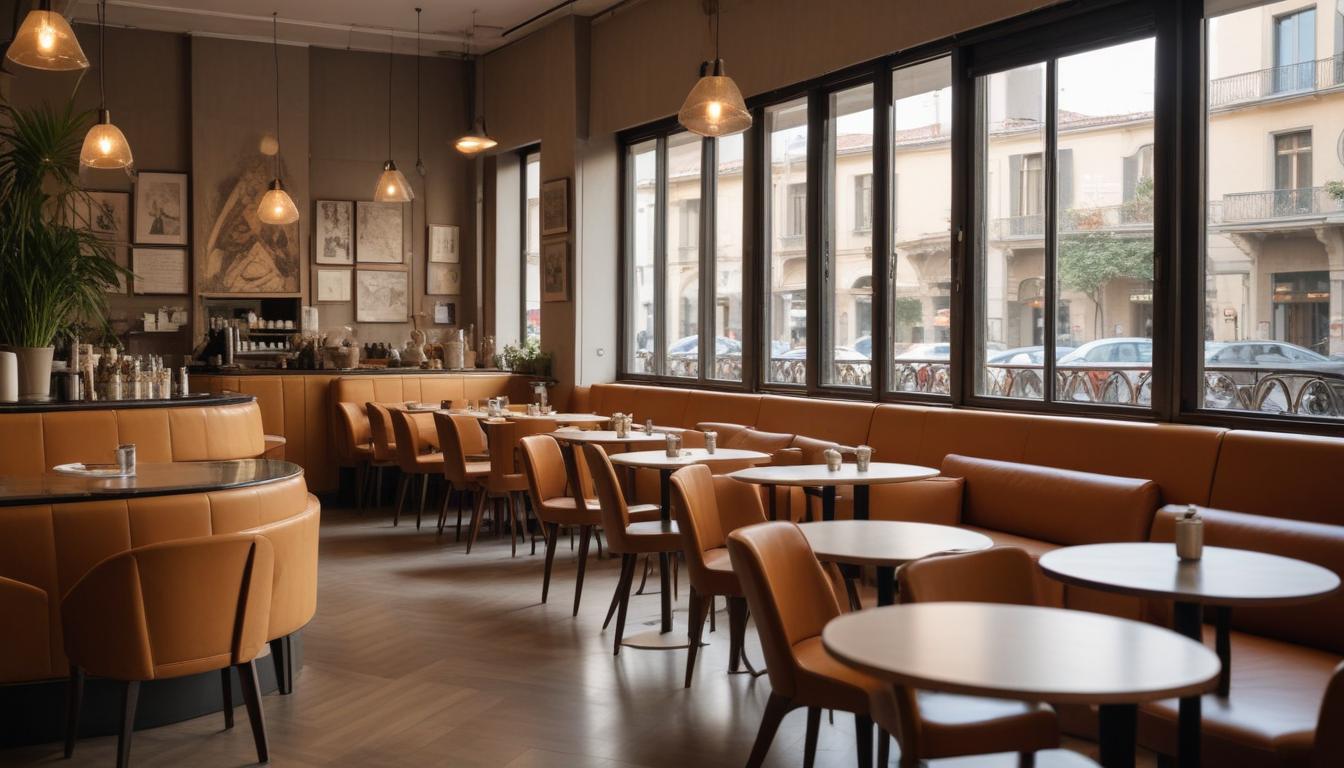
Similarly, the Navigli district, historically working-class, has experienced quiet revolution. International residents have established everything from language exchange meetups at local bars to pop-up galleries showcasing work from diaspora artists. The canal-side cafés that once served primarily locals now host conversations in a dozen languages, though the €4 espresso price point ensures enough Italian steadiness remains.
Housing remains the primary shock for newcomers. Studio apartments in central areas command €600–€900 monthly, while one-bedroom flats in Porta Romana or Lambrate run €1,000–€1,400. Relocation companies estimate first-year setup costs (deposit, furniture, bureaucracy) at approximately €5,000–€8,000 for a single person. Yet arrival data suggests people stay—Milan's expat retention rates exceed 60% at the five-year mark, higher than comparable European cities.
The real magic emerges not in statistics but in institutions serving this population. Organizations like MilanExpats and various neighbourhood associations have created support networks that ease the notorious Italian bureaucratic maze. Language schools along Via Torino flourish with demand. International grocers cluster near Centrale Station, preserving culinary anchors while residents build Italian skills.
What makes Milan exceptional isn't that it's easy for newcomers—bureaucracy remains notoriously rigid, and housing scarcity creates genuine hardship. Rather, it's that expats arrive prepared for challenge, and the city's sheer economic vitality creates opportunities to transform struggle into community. That alchemy, playing out daily across Navigli's bridges and Isola's regenerated streets, is what increasingly defines contemporary Milan.
This article was compiled by AI from the sources linked above and screened before publishing. See our editorial standards.
How does this story make you feel?
Spread the word
About this article
Published by The Daily Milan
Daily brief
Free, in your inbox before 7am. Weekdays.
More in lifestyle