Getting Around Milan: The Complete Cost and Access Guide Before You Go
From the red trams of Corso Buenos Aires to the metro depths beneath Duomo, here's everything you need to know about affording and navigating the city.
From the red trams of Corso Buenos Aires to the metro depths beneath Duomo, here's everything you need to know about affording and navigating the city.
Milan moves fast, and so should your transport planning. Whether you're arriving at Malpensa or Linate airports, or settling into a neighbourhood like Navigli or Brera, understanding the Milanese transport network—and your wallet's capacity—is essential before your first commute.
The backbone of Milan's transport is the Azienda Trasporti Milanesi (ATM), which operates the metro, trams, and buses across the metropolitan area. A single journey ticket costs €2.10, but this is where smart planning pays dividends. The 10-journey carnet (€18.00) saves you roughly 14 per cent and is the sweet spot for short-term visitors. Weekly passes run €8.45, while monthly passes cost €39.00—a significant saving if you're commuting daily from suburbs like Sesto San Giovanni or Rho to central districts.
The metro system comprises four colour-coded lines (red, green, yellow, and purple) that crisscross the city. The red line runs from Rho-Fiera through the Duomo station to Bisceglie; the green line connects Cairate to Assago-Milanofiori; the yellow line serves the northern and southern reaches; and the purple line, opened in 2022, links Milan's outer zones. Journey times average 1-2 minutes between central stops, making the metro the fastest option for longer distances.
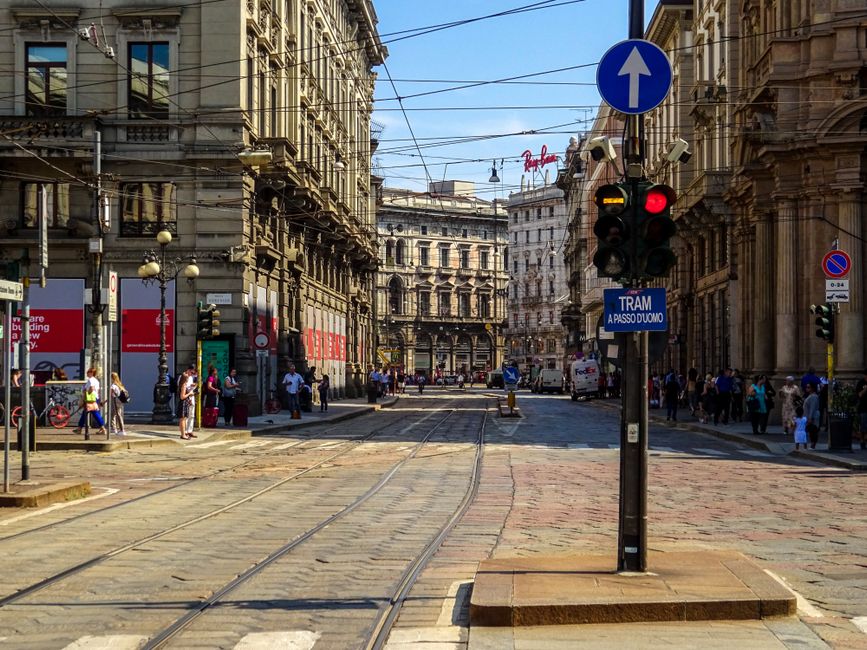
Trams remain iconic: the number 1 and 2 lines traverse elegant routes like Corso Buenos Aires and Viale Monza, beloved by locals for their window-gazing opportunities. Buses blanket areas the metro misses, though journey times are slower—budget 20-40 minutes across main areas.
Cycling has transformed Milan's commute landscape. The city now boasts over 300 kilometres of bike lanes, with infrastructure extending from Porta Nuova to the Navigli canal district. The Bikemi sharing scheme offers 24-hour passes for €5.00 or annual memberships at €79.00. However, bike theft remains prolific: secure locks are mandatory, and insurance adds €15-25 annually.
Ride-sharing platforms operate widely, though costs spike dramatically during peak hours (7-9am, 5-7pm). A journey from Stazione Centrale to Linate airport typically costs €15-25 via app, compared to €3.00 via the metro.
For airport transfers, the Malpensa Express train takes 38 minutes to central Milano Centrale for €13.00, while buses from Linate to Piazza Luigi di Savoia cost €5.00. Both beat ride-share pricing significantly.
The fundamental rule: buy a weekly pass if staying longer than three days. Combine this with occasional trams for character, bikes for short distances, and the metro for serious speed. Milan's transport costs money, but done strategically, it needn't cost a fortune.
This article was compiled by AI from the sources linked above and screened before publishing. See our editorial standards.
How does this story make you feel?
Spread the word
About this article
Published by The Daily Milan
Daily brief
Free, in your inbox before 7am. Weekdays.
More in lifestyle