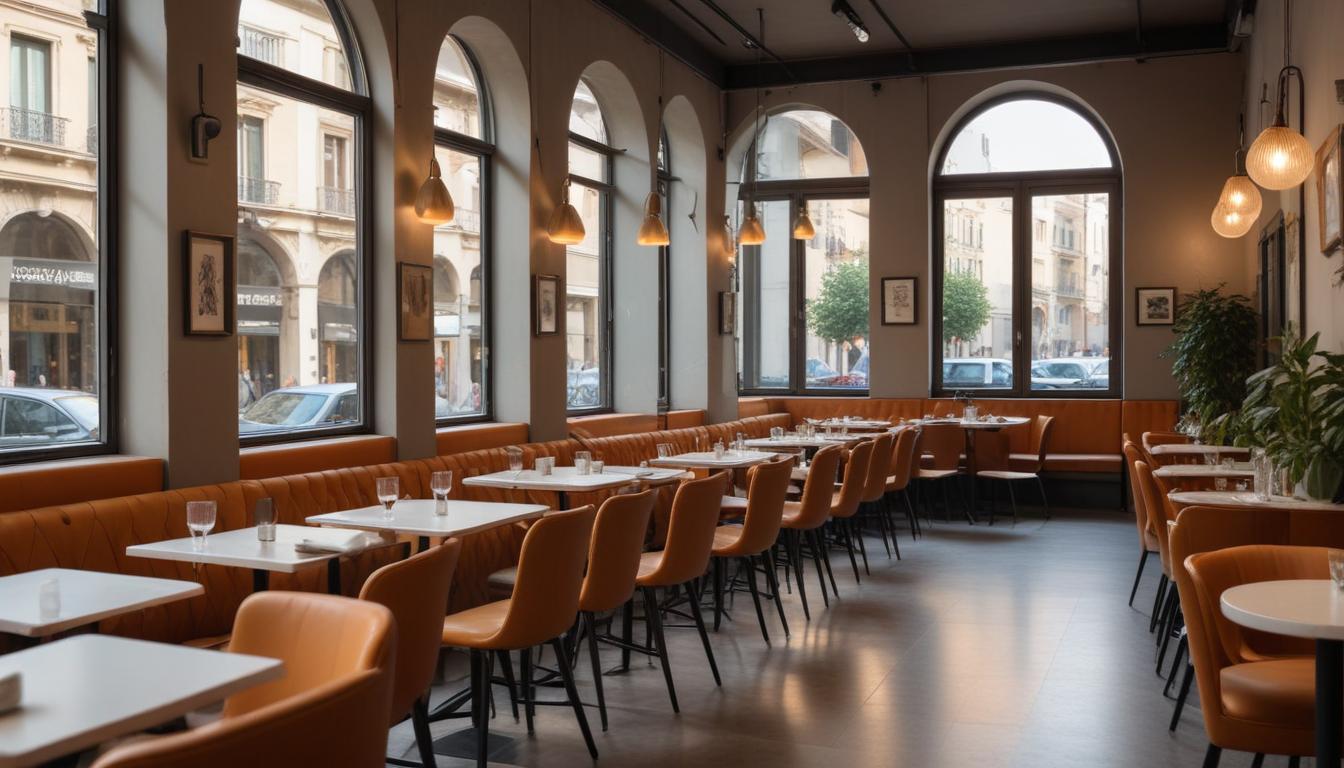
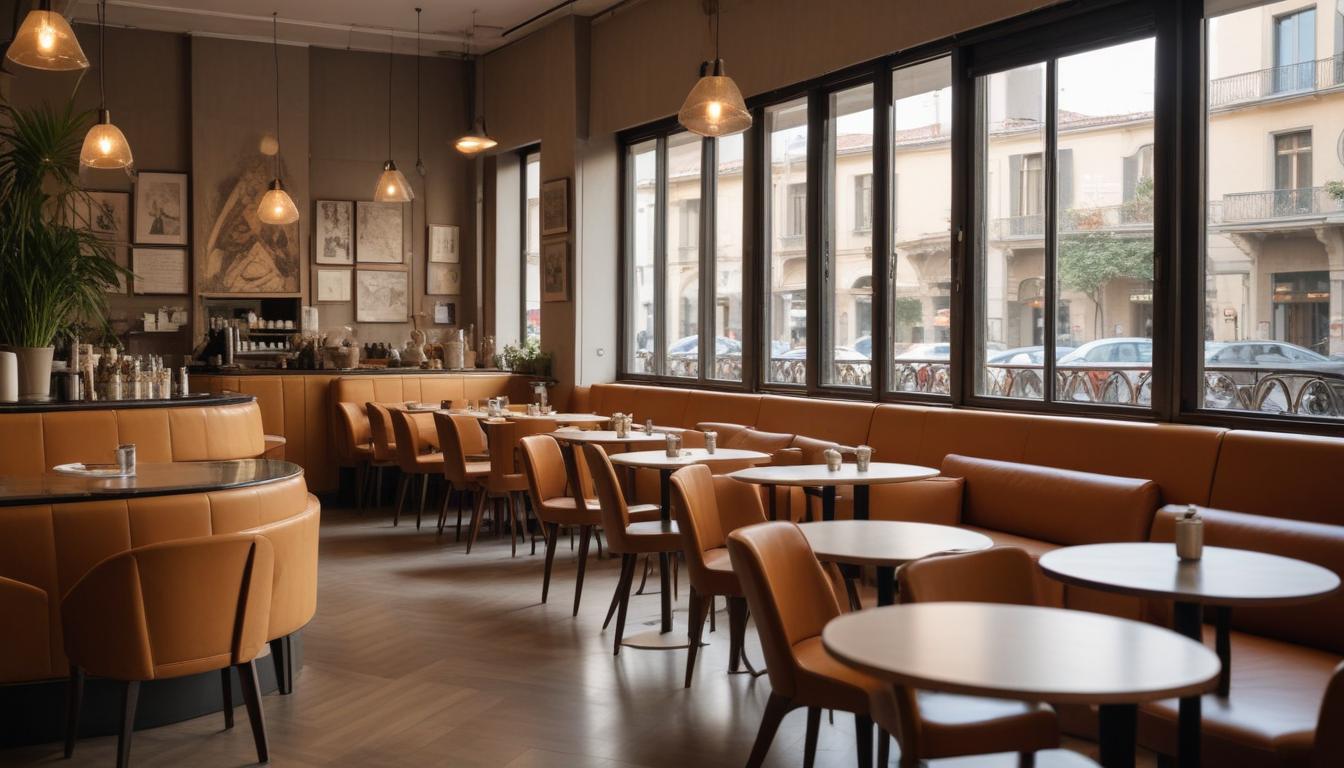
Walk along the Navigli canals on a Saturday morning and you'll notice something has shifted. Where groups of twenty-somethings once gathered for aperitivo, parents now cluster at outdoor tables with strollers, comparing notes on primary school applications. The neighbourhood that built its reputation on late-night bars and bohemian galleries is quietly becoming Milan's most sought-after address for families.
The transformation has been gradual but unmistakable. Over the past three years, major family-focused venues have opened along Via Ascanio Sforza and around the Conca dell'Incoronata, the historic lock where the Navigli Grande and Navigli Pavese converge. New montessori schools and bilingual nurseries have opened at a rate of roughly one per quarter, with tuition running between €8,000 and €15,000 annually—steep by Italian standards, but reflecting genuine demand from both Italian families and international expats relocating to Milan's finance and fashion sectors.
"We're seeing families with young children actively choosing Navigli over traditional neighbourhoods like Brera or Magenta," explains one local real estate analyst. Property prices in the area have climbed accordingly, with two-bedroom apartments now averaging €650,000, up nearly 40 percent since 2023. Yet families keep coming, drawn by the canal-side greenery, independent bookshops expanding their children's sections, and a community spirit that feels increasingly intentional.
The infrastructure is adapting too. The city completed renovation of Parco Solari in 2025, adding dedicated play areas and shaded rest zones. Meanwhile, local organisations like the Associazione Genitori Navigli have grown from informal coffee groups to structured networks offering everything from secondhand school uniform exchanges to coordinated bicycle routes to nearby schools.
What's driving the shift? Partly it's practical: proximity to metro lines and the Centrale station makes commuting manageable for working parents. But there's also a values component. Families increasingly view the Navigli's walkability, its mix of independent shops and cultural venues, and its rejection of commercial homogeneity as antidotes to Milan's more sterile business districts.
Yet this rapid evolution raises questions. Will the neighbourhood's characteristic indie spirit survive becoming family-focused? Can it absorb more young families without losing the creative edge that first attracted people here? As stroller traffic outpaces evening crowds, the Navigli faces the familiar Milan challenge: growth without homogenisation.
This article was compiled by AI from the sources linked above and screened before publishing. See our editorial standards.