Milan Parks by Neighborhood: Where to Visit Each District
Discover Milan's best parks neighborhood by neighborhood. From Sempione's gatherings to Navigli's corners, explore green spaces that define each district's character and community.
Discover Milan's best parks neighborhood by neighborhood. From Sempione's gatherings to Navigli's corners, explore green spaces that define each district's character and community.
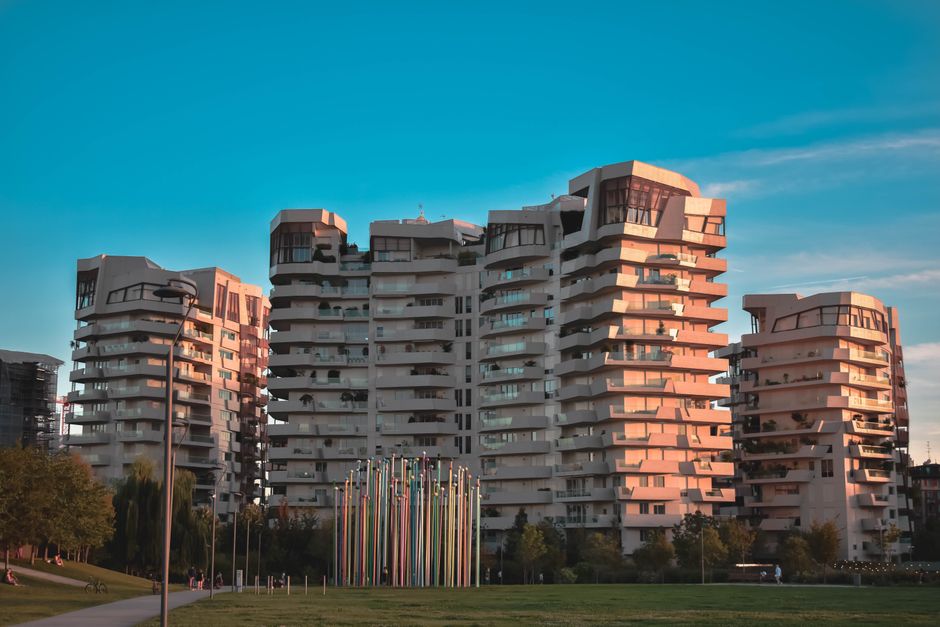
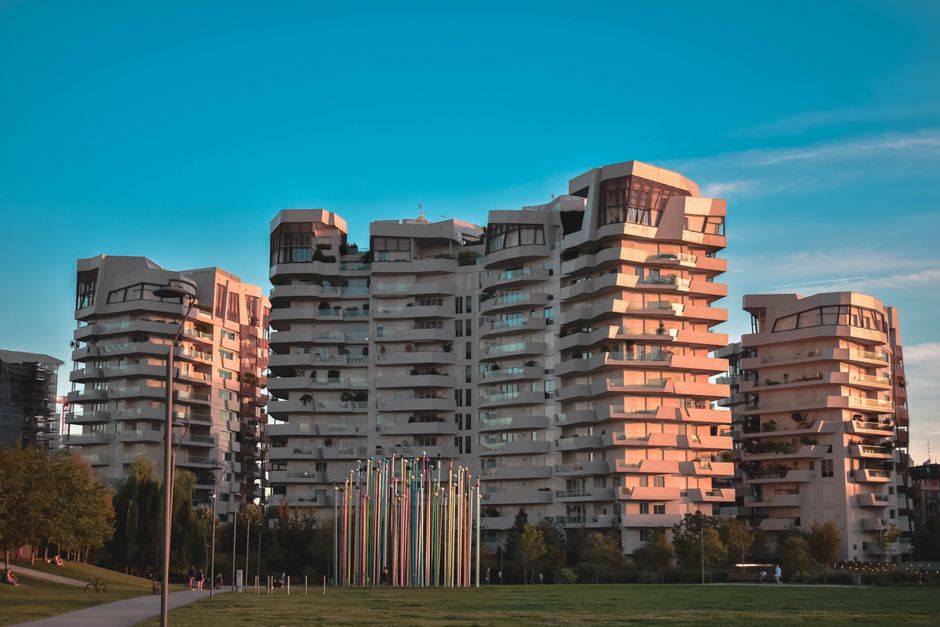
Walk into Parco Sempione on a Sunday morning, and you'll witness Milan's most democratic ritual: the city stripped of pretence, moving slowly through tree-lined avenues. Families unfold blankets near the Arco della Pace, joggers weave between tai chi practitioners, and elderly couples occupy the same benches they've claimed for decades. This isn't just a park—it's where Milan's identity crystallises, neighbourhood by neighbourhood.
The green spaces surrounding Milan tell distinct stories about who lives where and how they live. In the affluent Brera district, the intimate Orto Botanico—nestled behind the Accademia—attracts a quieter crowd: art students sketching plants, neighbours meeting for espresso at the adjacent café. Entry costs €12, a gentle barrier that shapes a particular demographic. Compare this to the Parco Nord, spanning 640 hectares across Sesto San Giovanni and Cinisello Balsamo to the north: here, it's football pitches, cycling clubs, and multi-generational immigrant communities claiming space on weekends—a landscape of inclusivity born from accessibility.
The Navigli neighbourhood offers yet another character study. Along the restored Navigli Grande and Navigli Pavese canals, the vibe shifts dramatically from morning to evening. By day, locals from the surrounding residential streets—increasingly young professionals—move through with purpose, grabbing coffee from kiosks. By evening, the waterfront transforms: the same space becomes aperitivo territory, populated by a younger, moneyed crowd. The canal-side real estate commands €8,000–€12,000 per square metre, a price that determines who's actually living there versus who's just passing through.
Giardini Pubblici Indro Montanelli, sprawling across 17 hectares near Porta Venezia, reveals how parks bridge class divides. The manicured lawns near the museum café attract the Porta Venezia set—upscale residents of the Quadrilatero d'Oro nearby—while the playground areas teem with families from the surrounding mixed-income neighbourhoods. It's one of Milan's most socially layered green spaces, where observation becomes a masterclass in urban sociology.
What makes these spaces revelatory is how they expose community priorities. Sempione's volunteer-run environmental groups and Parco Nord's extensive cycling infrastructure reflect different neighbourhood values. In Bosco in Città, west towards Corsico, the newer, more naturalistic approach appeals to environmentally conscious families willing to travel beyond their immediate postcodes.
Milan's parks aren't merely recreational amenities—they're ethnographic documents, revealing where money concentrates, where communities actually congregate, and what neighbourhoods prioritise when they gather. Understanding Milan means understanding its green spaces, and understanding its green spaces means truly knowing the city.
This article was compiled by AI from the sources linked above and screened before publishing. See our editorial standards.
How does this story make you feel?
Spread the word
About this article
Published by The Daily Milan
Daily brief
Free, in your inbox before 7am. Weekdays.
More in lifestyle