Where Real Milanesi Actually Shop: Tips and Honest Recommendations from Those Who Live It Daily
Skip the tourist traps and Duomo crowds—locals reveal where they source quality finds, hidden market gems, and everyday essentials across the city.
Skip the tourist traps and Duomo crowds—locals reveal where they source quality finds, hidden market gems, and everyday essentials across the city.
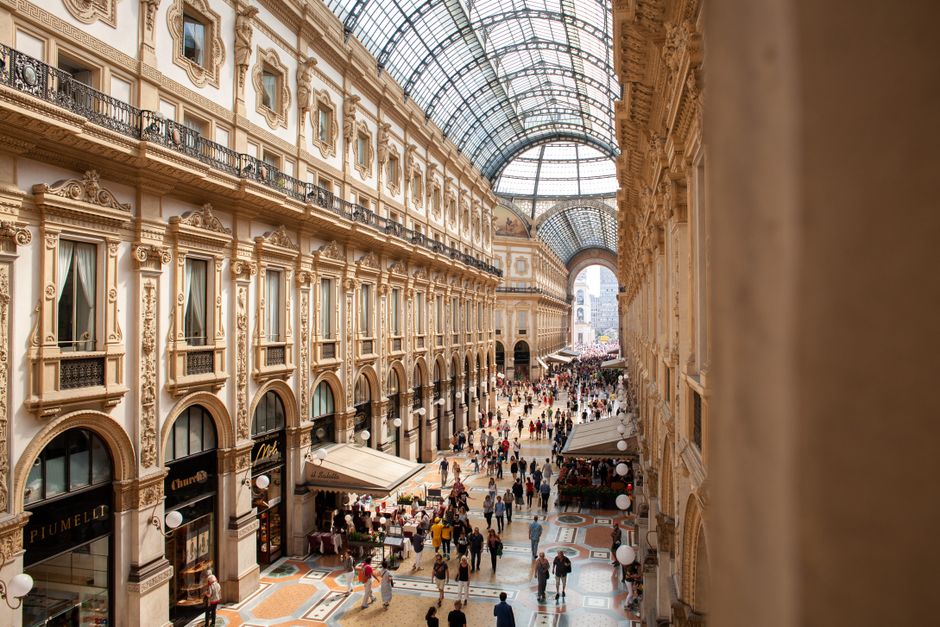
Milan's retail mythology revolves around via Montenapoleone and the Quadrilatero d'Oro, but ask anyone who actually lives here and you'll discover an entirely different shopping ecosystem. The real Milan—the one where residents manage their wardrobes, furnish their apartments, and stock their kitchens—operates on different logic altogether.
Start with the neighbourhood markets, still thriving despite the rise of e-commerce. Viale Papiniano in Sant'Ambrogio remains a Thursday and Saturday institution, where vendors shift roughly €3–8 million in merchandise annually according to local business records. Regulars arrive early for vintage clothing racks that rival boutique pricing, fresh produce from Lombardy farmers, and leather goods at wholesale rates. The crowd here is decidedly local: retirees, young professionals grabbing weekend essentials, families planning their week's meals.
For everyday clothing without the fashion-house markup, residents navigate Corso Buenos Aires systematically. The street's 300-plus shops function as Milan's practical wardrobe backbone—reliable chain stores, mid-range Italian brands, and discount outlets where a quality cotton shirt runs €15–25. Weekday mornings offer breathing room; weekends are chaotic but the bargains are genuine.
Vintage and secondhand shopping has become genuinely embedded in Milanese routine rather than performative. Navigli's independent boutiques cluster around via Magolfa and Ripa di Porta Ticinese, where curated selections of pre-loved designer pieces attract serious shoppers rather than Instagram hunters. Prices reflect genuine market value: a Prada bag from 2015 might cost €400–600, not the inflated figures found near the cathedral.
The Isola neighbourhood has quietly become essential for homeware and artisanal goods. Independent shops along via Torino and side streets stock ceramics, textiles, and furniture from small makers. Quality trumps volume here, and owners often provide context about craftspeople and production methods—information worth far more than the €40–150 price tags on functional, beautiful objects.
For groceries and everyday supplies, established residents bypass supermarkets for neighbourhood shops: neighbourhood alimentari (small grocers) still operate profitably despite predictions of obsolescence, offering personalised service and quality standards that justify slightly higher prices. They know their customers, reserve quality cuts for regulars, and provide recommendations that reflect genuine expertise rather than profit margins.
The consistent theme across these spaces: locals value authenticity, neighbourhood relationships, and genuine quality over status signalling. They shop where value aligns with reality, where proprietors know their inventory deeply, and where prices reflect actual worth rather than brand markup. That's the Milan that sustains itself daily, neighbourhood by neighbourhood, transaction by transaction.
This article was compiled by AI from the sources linked above and screened before publishing. See our editorial standards.
How does this story make you feel?
Spread the word
About this article
Published by The Daily Milan
Daily brief
Free, in your inbox before 7am. Weekdays.
More in lifestyle